A rental application fax sheet Template is best understood as a routing and document-control page placed in front of a tenant screening packet. The search phrase points toward a practical need: a clear page that identifies the sender, recipient, property, transmission date, page count, subject, and requested action before the underlying rental records are reviewed. A strong layout reduces ambiguity without replacing the underlying rental form. It should be easy to scan, easy to print, and specific enough that a receiving office can match the transmission to the correct property or file.
The fax sheet and the rental application serve different functions. The rental application gathers information about a prospective tenant, such as contact details, residence history, employment information, references, occupants, and screening authorization. The fax sheet instead identifies the transmission itself. Keeping those roles separate makes the packet easier to route and archive. A cover page can refer to the enclosed rental packet without repeating sensitive information that belongs inside the form.
Current examples show a common visual pattern: a prominent FAX heading, sender and recipient fields, a subject or reference line, a date, a fax number, and a short message area. Some designs also provide checkboxes for urgency, review, or response. Those elements are useful because they communicate workflow status without forcing the recipient to read the entire packet first.

What a Rental Application Fax Sheet Is Designed to Do
The primary purpose of a fax sheet is identification. When a property manager, landlord, broker, screening provider, employer, or reference receives several documents at once, the first page should make it immediately clear who sent the material and where it belongs. This is particularly important when a fax machine or shared document workflow handles records for multiple properties. The cover page can provide the context that the attached pages do not necessarily contain.
A useful sheet normally separates sender information from recipient information. The sender block may contain a name, company, telephone number, fax number, and email address. The recipient block can identify a person, department, company, or property-management office. A separate subject field can identify the property or transaction without putting unnecessary personal information in the heading.
Page-count information is another practical feature. A receiving office can compare the stated number of pages with the pages that actually arrived. If the cover sheet says that a packet contains a cover plus six supporting pages and only five supporting pages are received, the discrepancy can be noticed before the file is processed. This is a simple administrative safeguard rather than a substitute for a transmission confirmation.

Essential Fields to Include
The most useful rental fax cover sheet is usually compact rather than overloaded. At the top, identify the sender and recipient. Below that, include the transmission date, destination fax number, sender telephone number, subject, and page count. A property address or internal reference number can help distinguish one rental file from another when a management company handles several vacancies simultaneously.
A short message field gives the sender space to state why the packet is being transmitted. For example, the message could say that the attached tenant screening materials are being submitted for review, that a missing page is being resent, or that supporting verification records accompany the rental form. The message should remain factual and brief. Sensitive details such as financial-account numbers, identification numbers, or detailed screening conclusions generally belong in the appropriate secured records rather than in a cover-sheet narrative.
Action indicators can also improve processing. Labels such as “For Review,” “Please Reply,” or “Urgent” can help a recipient understand the sender’s expectation. These indicators should be used consistently. Marking every transmission as urgent defeats the purpose of the status field and can create confusion about which files actually require prompt attention.

Sender and Recipient Information
The sender section should provide enough information for the recipient to respond without searching through the attached pages. A business name, contact person, telephone number, and return fax number are usually practical. The recipient section should identify the intended person or department, together with the destination fax number. If a company uses several offices, adding a location or property-management department can reduce routing errors.
The property reference should be distinctive but restrained. A street address, unit identifier, or internal file reference can usually distinguish one rental file from another. Avoid putting unnecessary personal data into the subject line simply because the form has an empty space. A well-designed sheet gives the receiving office enough information to route the packet while limiting the exposure of sensitive information.
The same principle applies to contact details. A fax sheet is a routing document, not a substitute for identity verification. It should tell the recipient where the packet came from and how to contact the sender if something is missing. It should not attempt to reproduce every field found in the underlying tenant form.

Choosing the Right Page Layout
A one-page design is usually practical because the fax sheet should not become a second rental packet. A clean hierarchy helps the reader locate the recipient, sender, date, page count, and subject quickly. Strong labels, generous spacing, and simple lines generally work better than decorative elements that consume valuable page space.
Letter-size layouts are common in United States rental paperwork, while A4 is common in many other regions. The important point is consistency. If the attached rental records are prepared for one paper size, the cover sheet should be easy to print and read at the same scale. Margins should leave enough room for ordinary printers and fax systems without cutting off labels or contact information.
Typography also matters. Small type may fit more fields onto one page, but it becomes harder to read after fax transmission or photocopying. A simple black-and-white structure can be particularly effective because fax systems may reduce color contrast or convert shaded areas into muddy blocks. If branding is used, keep it secondary to the routing information.

Why Simplicity Matters for Fax Transmission
Faxed documents can lose visual detail through scanning, compression, transmission, and printing. Thin lines, light gray text, small fonts, and complicated background patterns may become difficult to read. A rental cover sheet should therefore be designed for legibility rather than screen-only appearance. Strong contrast and straightforward field labels are generally more dependable.
Avoid placing essential information inside decorative graphics. A logo may sit in the header, but the recipient name, fax number, date, subject, and page count should remain in ordinary text fields. If a fax machine drops part of a decorative border, the administrative information should still be intact and understandable.
Before using a new design, print it and inspect the physical page. A layout that appears balanced on a monitor may have cramped fields when printed. A test transmission can also reveal whether the smallest text, checkbox labels, and page-count area remain readable after transmission.
How the Cover Sheet Fits With a Rental Form
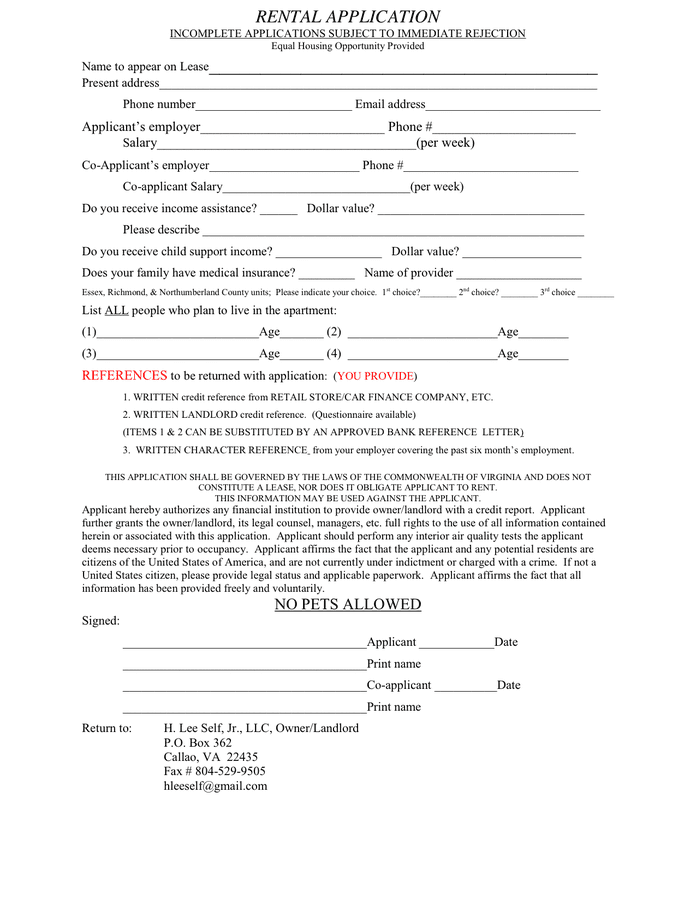
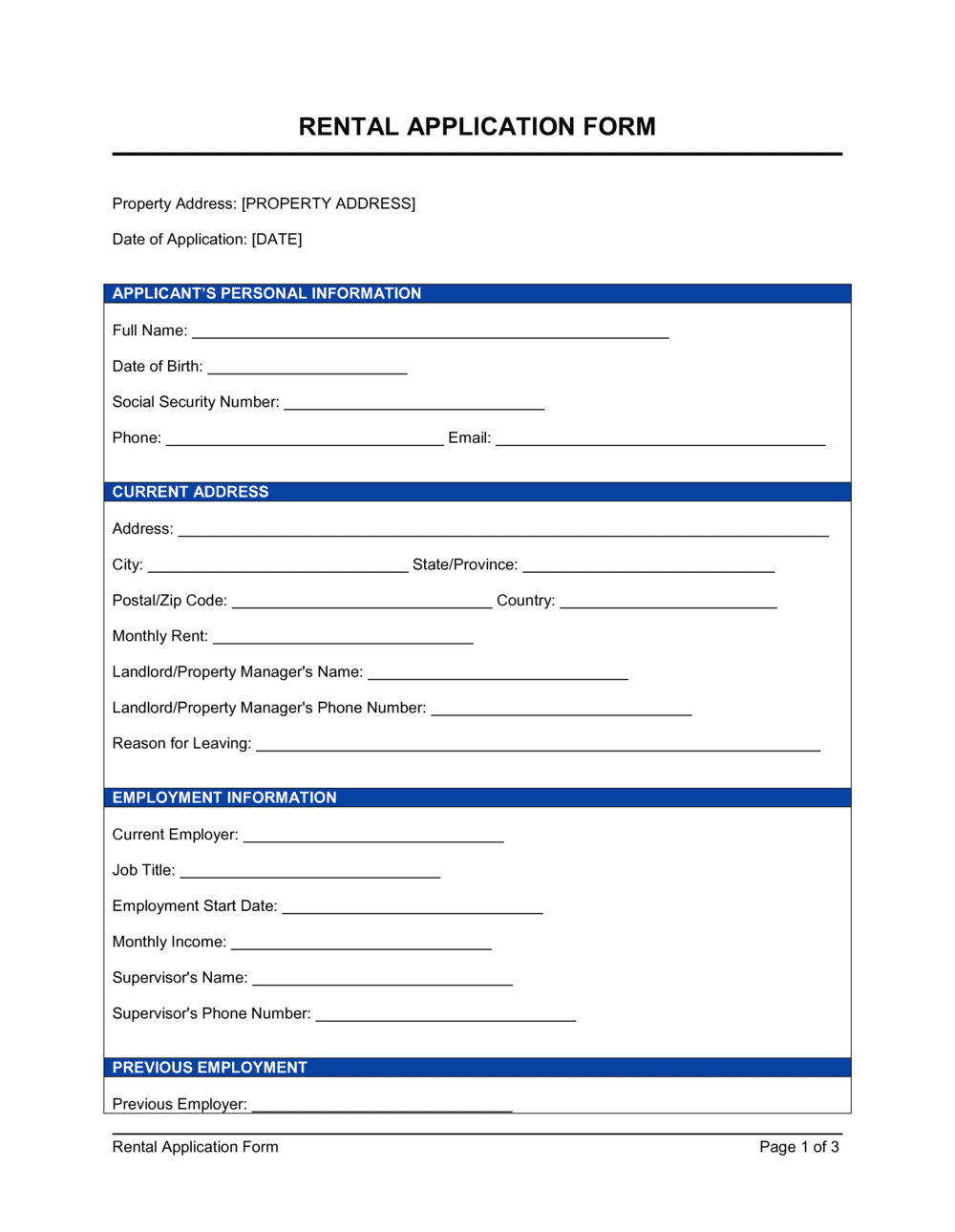
A fax sheet should not be confused with the tenant form itself. A rental application form collects information used during a landlord’s or property manager’s screening process. Typical sections can include applicant identity, current residence, prior residences, employment, income, references, occupants, pets, vehicles, and authorization for permitted screening activities.
The cover sheet sits outside that substantive record. It acts more like an envelope label for a paper transmission. This distinction is useful when deciding what belongs on the first page. If a field is necessary to evaluate the prospective tenant, it probably belongs in the underlying rental form. If a field is necessary to route, count, identify, or describe the transmission, it may belong on the fax sheet.
This separation can also make recordkeeping easier. A property manager can retain the cover sheet with the transmitted packet while keeping the underlying rental records organized according to the organization’s normal retention and access procedures. The cover page then becomes an administrative index rather than a duplicate source of tenant information.

Digital, Word, PDF, and Printable Formats
People searching for a rental application fax sheet template free often want a simple page that can be edited and printed without rebuilding the layout. A Word-based format can be convenient when the sender needs to change labels, add a company name, or alter field spacing. A PDF can be useful when the layout must remain fixed across devices and printers.
For users specifically seeking a rental application fax sheet template free download, the important distinction is between a genuine document resource and a page that merely displays a preview. Before relying on any resource, check that the stated format is actually available, that the file opens correctly, and that the document’s terms and local requirements are appropriate for the intended use.
A rental application fax sheet template pdf can be particularly useful when a finished layout must be shared without accidental formatting changes. A rental application fax sheet template word format can be more convenient when the sender expects to customize the document repeatedly. Neither format is automatically more appropriate; the choice depends on whether the workflow prioritizes locked presentation or easy editing.

When a California Version Needs Extra Care
A search for a rental application fax sheet template california may indicate that the reader wants a form suitable for a California rental workflow. A state-specific cover sheet can be useful for identifying the property and organizing the transmission, but the fax cover page itself should not be treated as proof that the entire rental screening packet satisfies California law.
California rental screening can involve rules concerning fees, disclosures, consumer reports, privacy, and fair housing. Those issues belong to the underlying process and should be checked against current California law and the specific circumstances of the tenancy. A generic cover page can organize records, but it cannot make an otherwise unsuitable screening procedure compliant.
For that reason, a California-oriented fax sheet should emphasize neutral routing information. Property address, unit, sender, recipient, date, page count, and transmission purpose are generally more useful than state-specific legal language placed on the cover page without legal review. If a legal notice or disclosure is required, it should come from an authoritative source rather than being improvised in a generic template.

Designing a Printable Version
A rental application fax sheet template free printable format should be tested as an actual paper document. Leave enough space for handwriting if the sender will complete some fields manually. Lines should be long enough for ordinary names and telephone numbers, while checkboxes should be large enough to mark clearly with a pen.
A rental application fax sheet template free pdf can work well when a standardized paper appearance is important. The creator should inspect the document at normal print size rather than relying only on a zoomed-in screen preview. Check that every label is readable, that the bottom margin is not clipped, and that the page-count field is positioned where staff can find it immediately.
Black-and-white testing is worthwhile even when the original design contains color. Fax systems, photocopiers, and older office printers may render pale colors poorly. A professional-looking sheet should remain understandable when the branding is removed or the page is printed in grayscale. This also helps keep the document useful across different offices and equipment.

How to Build the Sheet From Scratch
Start with the purpose statement. Decide whether the page is intended to transmit a completed tenant form, supporting verification, a correction, a resubmission, or a complete screening packet. That decision determines what the subject line and message area need to communicate. Avoid designing the page around every possible scenario; a flexible but focused structure is easier to use.
Next, create the routing block. Place “To” and “From” information near the top, followed by fax numbers, telephone numbers, date, page count, and subject. If the property reference is important, add a clearly labeled property or file-reference field. Use consistent labels and avoid unexplained abbreviations that a recipient outside the organization might misunderstand.
Finish with the message and action areas. A short message box should be large enough for two or three concise sentences, while status boxes can identify whether the recipient should review, respond, or treat the transmission as time-sensitive. The final page should remain visually balanced and leave enough white space around each field.

Supporting Rental Forms and Document Variations
A free rental application form doc template may be useful when a landlord needs a structured tenant form alongside the fax cover sheet. The two documents should still be treated separately. The document form gathers substantive tenant information, while the fax sheet identifies the transmission. Combining both into one oversized page can make the packet harder to navigate.
An rental application pdf fillable template is another format that may appear in a digital rental workflow. Fillable fields can reduce handwriting and make repeated data entry easier, but the person creating the document should verify that the fields are correctly labeled, aligned, and usable with the intended PDF software. A visually attractive PDF is not necessarily a well-constructed fillable form.
Someone searching for a rental application pdf free template may also encounter forms from different jurisdictions or organizations. Treat these as examples rather than universal legal standards. A document created for one state, province, city, property type, or management company may contain fields or language that are inappropriate elsewhere.

Word and PDF Are Different Workflow Choices
An rental application form template pdf is usually strongest when consistency matters. Once the document has been reviewed, a fixed PDF reduces accidental movement of labels and lines. A Word document is more flexible for repeated editing, but changes can affect pagination, margins, and field alignment.
An apartment rental application template doc may be suitable when the organization wants to customize property-specific fields or add internal instructions. It is important to keep internal notes distinct from tenant-facing fields. A clean template can include placeholders for the property address, unit number, management contact, and fax destination without embedding confidential information.
The best workflow may involve both formats: an editable source document maintained by the office and a controlled PDF version used for routine transmissions. Whichever method is selected, the final fax sheet should be reviewed periodically so that obsolete contact numbers, outdated branding, or unnecessary fields do not remain in circulation.

Privacy and Sensitive Information
Rental records often contain personal and financial information, so the fax cover sheet should use data minimization as a design principle. Put routing information on the cover and keep detailed identity, financial, and screening information inside the appropriate records. There is rarely a reason to place a complete government identification number or bank-account information in a subject line.
Shared fax machines create an additional practical consideration. The cover page may be visible to staff before the rest of the packet is collected. A concise description of the material is therefore preferable to a detailed summary of the applicant’s circumstances. If an organization has specific privacy procedures, the cover sheet should support those procedures rather than inventing a new standard.
Confidentiality language can be useful in some professional workflows, but it should be accurate and appropriate to the organization. A generic disclaimer should not imply that a particular law automatically applies to a rental transmission. When legal wording is necessary, it is better to use language supplied or reviewed by the organization responsible for the document workflow.

Common Mistakes to Avoid
One common mistake is treating the fax sheet as a duplicate of the tenant form. Repeating every applicant field increases clutter and creates another location where information can become inconsistent. The cover should instead provide a concise index of the transmission and direct the recipient to the attached records for substantive details.
Another mistake is leaving the recipient or fax number ambiguous. A form may look polished while still failing its basic administrative purpose if staff cannot determine where the material should go. If the organization sends documents to multiple offices, include a department or property field rather than relying solely on a general company name.
A third problem is excessive decoration. Large logos, heavy color blocks, oversized headings, and elaborate backgrounds can consume space that would be better used for routing information. They may also reproduce poorly on fax equipment. A restrained design generally provides more usable information per page.

Incomplete Page Counts and Unclear Subjects
The page count should follow one consistent rule. If the organization counts the cover page, state that internally and use the same convention for every transmission. If supporting pages are counted separately, make that convention clear. Consistency is more important than a particular counting method.
The subject should be descriptive enough to distinguish the packet from unrelated correspondence. “Rental documents” may be too vague for a busy office. A property reference, unit identifier, or internal file number can provide more useful context while keeping personal information out of the subject field.
Finally, avoid putting instructions in the form that only make sense to one employee. A reusable sheet should remain understandable when another property manager or administrative assistant handles the transmission. Clear labels and neutral language make the document easier to transfer between staff members.

Practical Solution
The most practical approach is to create one standardized one-page cover sheet and maintain an editable master version. Begin with a header containing the company or property-management name, followed by a clearly labeled fax heading. Add separate sender and recipient blocks, then place the date, destination fax number, page count, property reference, and subject in a compact information area.
Next, add a message box that can handle common situations such as initial submission, resubmission, missing-page correction, or supporting-record transmission. Under that area, use a small number of action choices such as review, response requested, or time-sensitive. Do not create dozens of checkboxes. The goal is to make the recipient’s next step obvious in seconds.
Finally, test the completed design in three conditions: normal printing, grayscale printing, and fax-style reproduction. Check every field for readability and make sure no important information sits too close to an edge. Keep the master editable version under controlled access and create a consistent final version for routine use. This workflow provides a repeatable structure without pretending that the cover sheet itself satisfies every legal requirement connected with tenant screening.

Practical Example of a Completed Cover Sheet
Consider a hypothetical property manager sending a completed rental packet to a screening department. The sender field could identify the management office and its telephone number. The recipient field could identify the screening department and destination fax number. The property field could contain the street address and unit number, while the subject could read “Tenant screening packet — Unit 204.” The page count would state the number of transmitted pages according to the organization’s standard counting method.
The message area could state that the attached packet contains the completed tenant form and supporting records requested by the receiving department. If a previous transmission was incomplete, the message could identify the pages being resent. The cover sheet does not need to reproduce the applicant’s employment history or financial details because those records are contained in the attached documents.
This example demonstrates the central design principle: the cover page should answer “who,” “where,” “when,” “what,” and “how many” before the recipient examines the underlying paperwork. That makes the document useful as an administrative control without turning it into another full screening record.

Review Checklist Before Sending
Before transmitting a rental packet, verify the recipient’s name and fax number against the intended destination. Confirm that the sender’s contact details are current and that the property reference identifies the correct unit or file. Check the date and page count, and read the subject line from the perspective of someone who has not handled the file before.
Review the message for unnecessary personal information. Remove details that belong in the underlying tenant records rather than the routing page. Confirm that the action indicator accurately reflects what the recipient should do. If a response is needed, say so clearly. If the packet is being resent, identify the reason without adding unnecessary confidential information.
After sending, follow the organization’s normal transmission-confirmation and recordkeeping procedure. A cover sheet can make a packet easier to identify, but it does not prove that every page was received or that every screening requirement was satisfied. The final responsibility for document handling remains with the organization managing the rental workflow.

Reference Examples
Reference examples help show how a rental application fax sheet and related rental paperwork can be organized visually. The most useful examples emphasize clear hierarchy: a prominent document heading, identifiable sender and recipient areas, structured fields, and enough white space to separate administrative details. Looking at several layouts also makes it easier to distinguish a fax cover page from the longer tenant form that follows it. A fax sheet should function as the packet’s routing layer, while the underlying rental record carries the detailed information used by the property manager or landlord.
The examples below come from publicly viewable template and document sources and illustrate different approaches to rental paperwork. They are useful for comparing field density, page hierarchy, checkbox placement, section headings, and print-oriented structure. They should be treated as visual references rather than universal legal forms. Before adopting any wording, screening field, disclosure, or state-specific provision, verify that the complete rental workflow is appropriate for the property and jurisdiction.

Rental Application Fax Sheet
Source: Template.net

Apartment Rental Fax Paper Template
Source: Template.net
Rental Application Form Template
Source: Business-in-a-Box

Simple Rental Application
Source: AllBusinessTemplates

Rental Application Template
Source: DexForm
