A car rental maintenance contract renewal Template is most useful when it does more than repeat the previous agreement. A renewal document should make the continuing relationship clear, identify what has changed, confirm the vehicles and services covered, and establish the commercial terms for the next contract period. For a rental fleet, this matters because maintenance responsibilities often involve recurring inspections, preventive servicing, repairs, records, response times, parts, labor, invoicing, and vehicle downtime.
Current template references for vehicle and fleet maintenance agreements commonly organize the document around the parties, service scope, maintenance schedules, payment terms, contract duration, termination provisions, insurance, confidentiality, governing law, and signatures. Fleet-maintenance guidance also emphasizes recurring inspections, maintenance history, service intervals, and documentation. These concepts provide a useful foundation, but a renewal should always be adapted to the actual vehicles, vendor relationship, contract history, and governing jurisdiction.
The central purpose of this article is to show how to turn a basic renewal form into a practical business document. It covers what should be reviewed before renewal, which clauses deserve attention, how to structure regional versions, how to prepare a renewal letter, and how to create a document that remains useful throughout the next maintenance term.
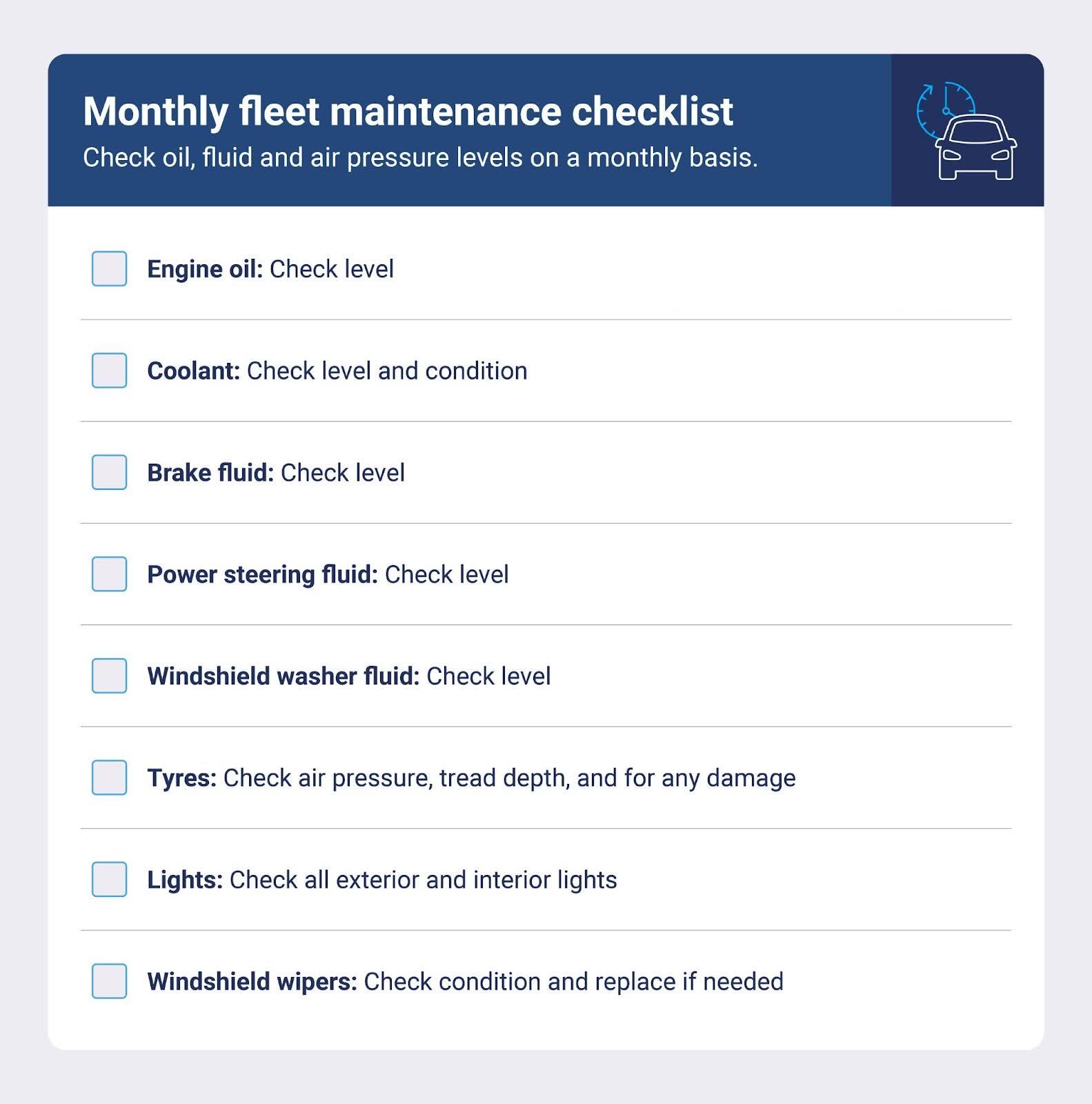
What a car rental maintenance contract renewal Template is designed to accomplish
A renewal template is a structured starting point for extending an existing maintenance relationship. Instead of drafting every term from the beginning, the parties can identify the original agreement, state the new term, confirm the current fleet, and record revised conditions. The document should make it obvious whether the renewal continues the old agreement unchanged or incorporates specific amendments.
For a rental company, the document can also function as an operational reference. Maintenance providers need to know which vehicles fall within the service scope, which maintenance tasks are included, how service requests are authorized, and how completed work is documented. The rental company needs corresponding clarity about costs, response expectations, excluded work, warranty responsibilities, and procedures for vehicles that are unavailable for rental service.
A strong renewal document therefore connects legal language with operational details. It should not merely state that the agreement is extended. It should show what is being extended, for how long, at what commercial terms, with what service standards, and under whose responsibility each major maintenance activity falls.
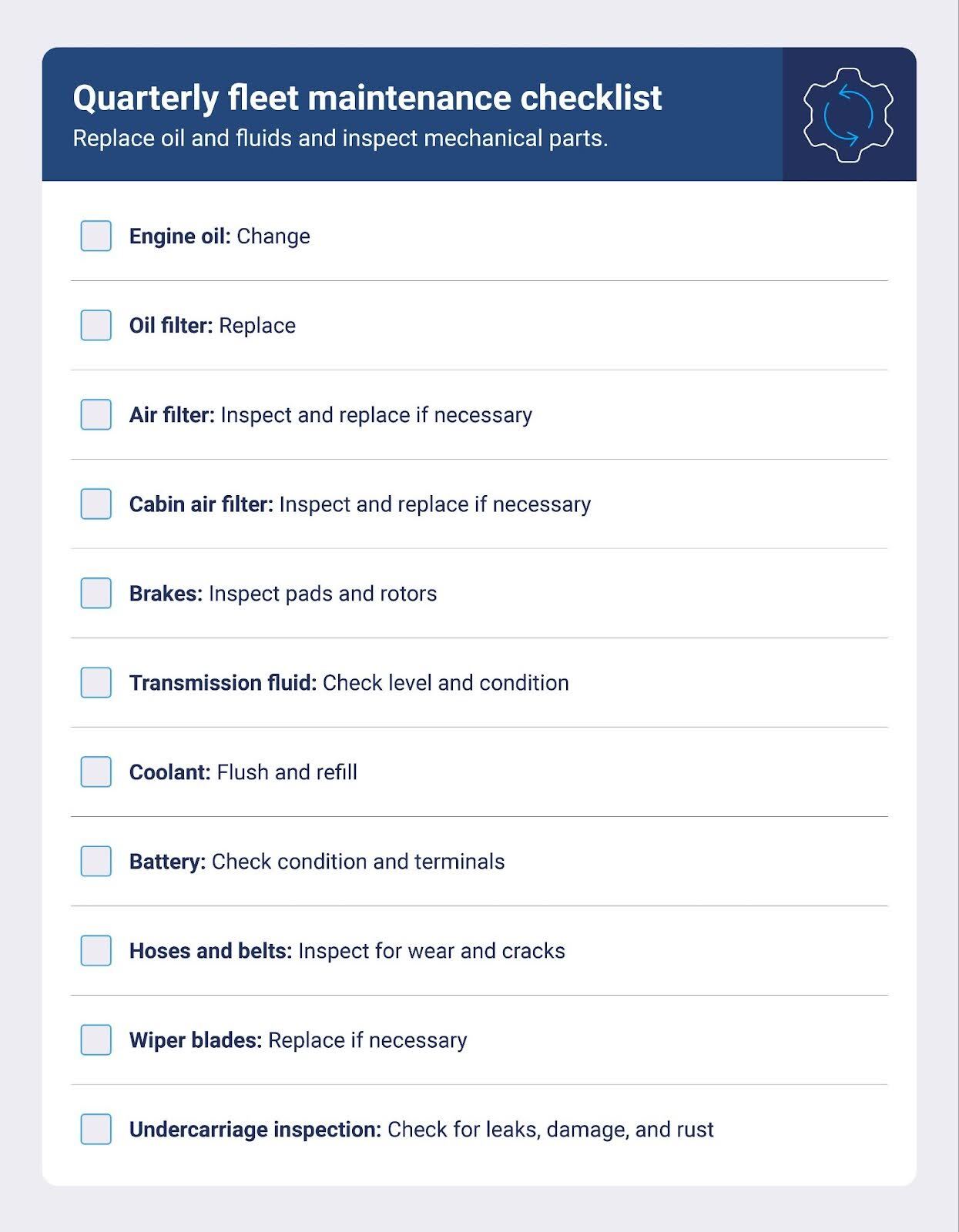
Why renewal review matters for a rental fleet
Rental vehicles can experience very different usage patterns from privately owned cars. Mileage may accumulate quickly, vehicles can move between locations, and multiple customers may use the same asset during a contract period. A renewal review should therefore begin with the fleet’s actual maintenance history rather than simply carrying forward the previous wording.
Before renewal, review completed service records, outstanding repairs, recurring defects, average vehicle downtime, warranty issues, parts disputes, billing questions, and any changes in the fleet. If vehicles have been added or removed, the renewal should identify how those changes affect the covered fleet. If the provider has changed its service network, pricing structure, response process, or parts policy, those changes should be documented rather than left to informal communication.
Maintenance records are particularly useful because they reveal whether the existing scope still matches operational reality. A contract that once covered a small fleet may need different scheduling rules after expansion. Conversely, a smaller fleet may no longer require some services that were included in the original arrangement. Renewal is therefore a natural point for a structured contract and operational review.
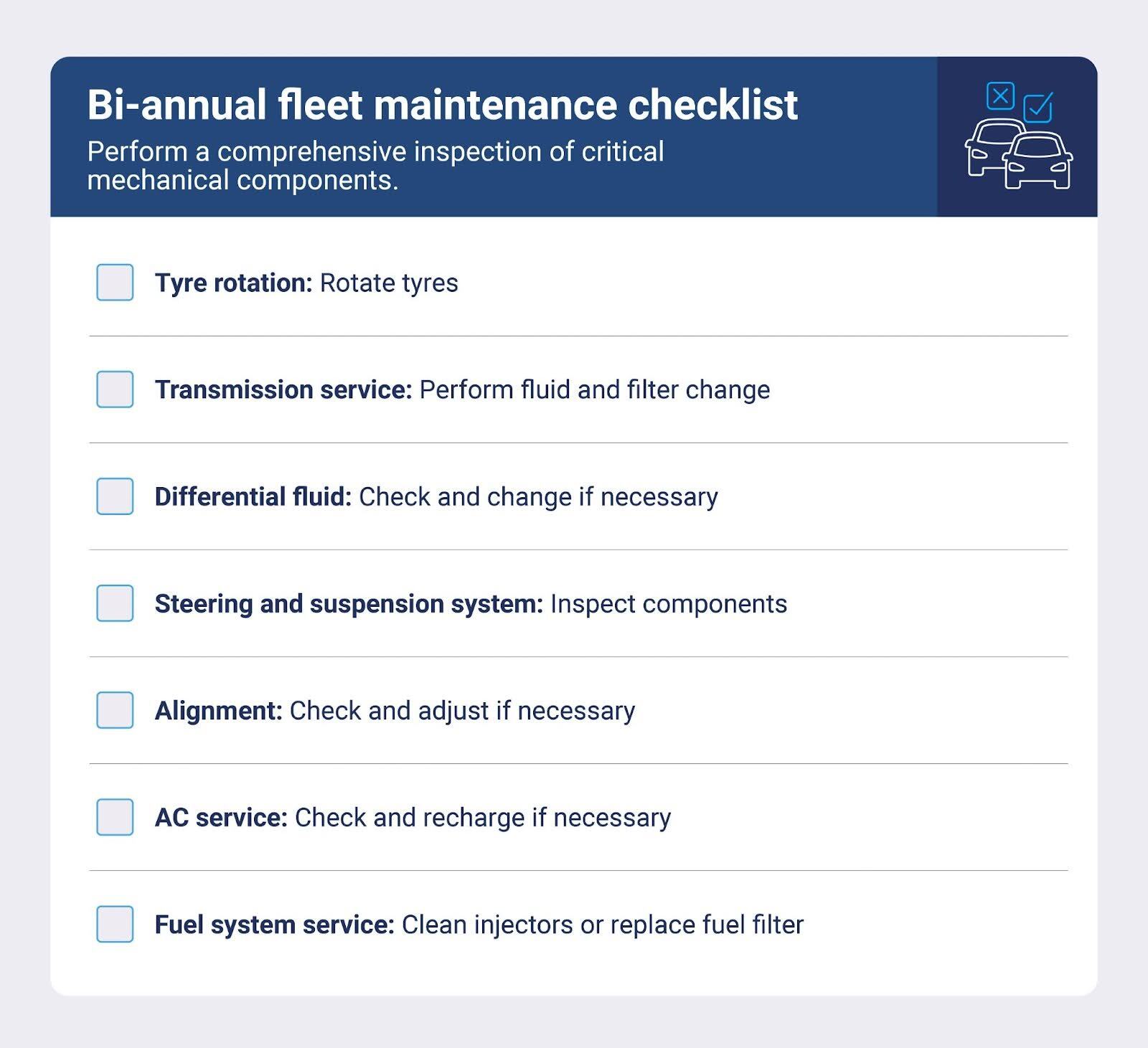
Core sections to include in the renewal document
Parties and contract identification
Begin with the full legal names and addresses of the rental company and maintenance provider. Include the original agreement title or reference number, original effective date, current expiration date, and proposed renewal date. These identifiers reduce ambiguity when either party manages multiple vendor agreements.
The renewal should also state whether it is an amendment, extension, restatement, or new agreement that replaces the earlier contract. The distinction matters because a simple extension may preserve existing clauses, while a restated agreement may reorganize or replace them. The document should clearly state which version controls if there is a conflict.
For a multi-location rental business, identify the relevant operating entities and locations as well. A provider may service vehicles across several branches, while invoices or authorizations may be managed centrally. Recording those relationships helps prevent confusion over who may request work and who is responsible for payment.
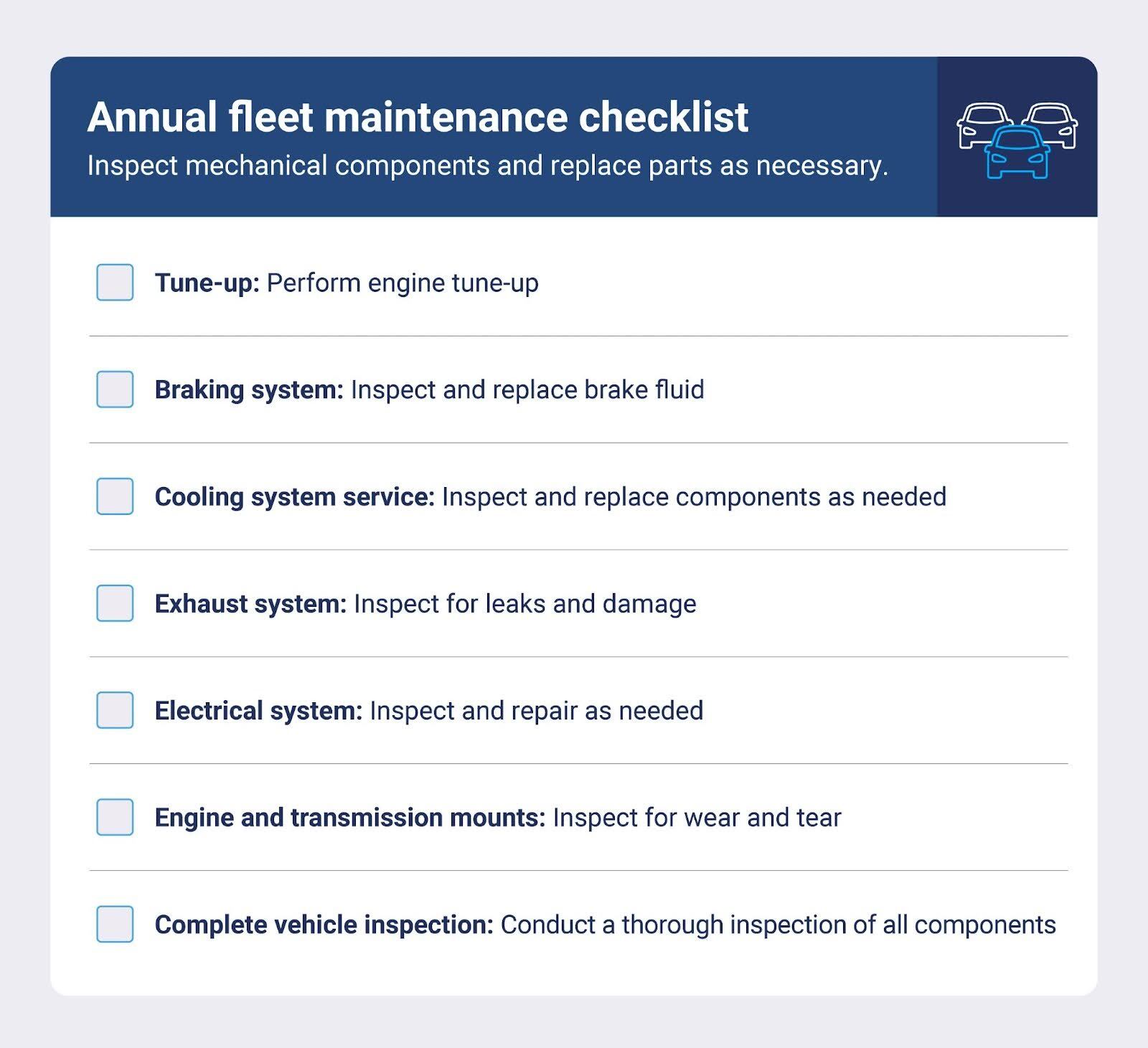
Fleet description and covered vehicles
The renewal should define the covered fleet with enough precision to avoid disputes. Depending on the business, this may be done through vehicle identification numbers, registration numbers, asset numbers, vehicle classes, or an attached fleet schedule. The document should also explain how vehicles are added to or removed from the agreement during the renewal term.
Vehicle categories can be useful when maintenance pricing or service intervals differ. For example, a rental business might operate compact cars, sedans, sport utility vehicles, and vans. The contract can establish common service rules while allowing separate schedules where manufacturer requirements or usage patterns differ.
If the fleet includes electric or hybrid vehicles, specialized maintenance requirements should be addressed separately where necessary. The agreement can identify who is authorized to perform high-voltage work, how manufacturer service requirements are handled, and whether specialized parts or diagnostic procedures are included. Those details should be based on the actual fleet and provider capabilities rather than generic assumptions.

Define the maintenance scope precisely
The scope of services is one of the most important parts of a renewal. A vague phrase such as “routine vehicle maintenance” can leave substantial questions unanswered. A better document identifies recurring inspections, oil and filter service, tire inspection and rotation, brake inspection, fluid checks, battery checks, diagnostic work, repairs, emergency assistance, and other services that the parties have actually agreed to cover.
The agreement should distinguish scheduled maintenance from corrective repairs. Scheduled work can usually be planned around mileage, calendar intervals, manufacturer recommendations, or operating conditions. Corrective work begins when a defect or failure is identified. The renewal should explain whether corrective repairs are included in the recurring fee or billed separately.
It is also useful to define excluded services. Examples may include collision damage, customer-caused damage, unauthorized modifications, extraordinary towing, certain replacement components, or work covered by another warranty or insurance arrangement. Exclusions should be written clearly enough that a manager can determine whether an invoice belongs under the contract without relying on informal interpretation.

Build a maintenance schedule that matches rental operations
A rental maintenance contract works better when service timing is defined in operational terms. Mileage-based intervals may be appropriate for some vehicles, while calendar intervals are useful for assets that accumulate relatively low mileage. Some businesses may use both, with service triggered by whichever threshold occurs first.
Manufacturer service recommendations should be considered when establishing the schedule. A template should not invent universal mileage intervals because requirements differ by vehicle, model, engine, operating conditions, and manufacturer guidance. The renewal can instead provide fields for the agreed interval and require the parties to maintain a current vehicle schedule.
Rental companies should also consider seasonal and location-specific conditions. Vehicles operating in areas with extreme temperatures, heavy traffic, dusty conditions, steep terrain, or other demanding environments may require different maintenance planning. The contract can establish a process for reviewing service intervals when operating conditions materially change.

Maintenance records and service evidence
Every completed maintenance event should have a record that can be connected to the relevant vehicle. A practical record normally identifies the vehicle, date, mileage or operating measure, service performed, parts used where relevant, technician or provider, cost, and any unresolved defect. The renewal should specify who maintains these records and how the rental company receives or accesses them.
Good records help both sides investigate recurring problems and billing questions. They can also provide evidence when warranty, insurance, customer-damage, or vehicle-disposition questions arise. A renewal document should therefore avoid treating recordkeeping as an administrative afterthought.
The agreement can establish a retention period and a standard for record accuracy, subject to the requirements that actually apply to the parties. If records are exchanged electronically, the parties can also specify the acceptable record format and the method used to identify the vehicle and service event.

Pricing, invoices, and renewal economics
Pricing should be reviewed against the services actually being renewed. A recurring maintenance fee may cover defined preventive services, while labor, parts, towing, diagnostics, or emergency work may be charged separately. The renewal should state which model applies and how additional work is authorized.
If rates change at renewal, identify the effective date and the basis for the revised pricing. A contract may use fixed rates, a negotiated schedule, or another agreed pricing method. Avoid ambiguous language such as “current rates” unless the parties have a clearly identified rate schedule that forms part of the agreement.
Invoice requirements should also be practical. The document can specify billing frequency, required supporting records, invoice submission procedures, payment timing, taxes, disputed charges, credits, and treatment of unauthorized work. These provisions are especially useful when a fleet uses multiple service locations and different personnel approve maintenance.
Term, renewal, termination, and notice provisions
The renewal term should state a definite start date and end date. If the parties intend automatic extension, the document should state the renewal mechanism, notice period, and any conditions that affect continuation. If renewal requires a new written agreement, that should also be clear.
Termination language deserves the same attention. A contract may provide termination for convenience, material breach, nonpayment, repeated service failures, insolvency, or other agreed circumstances. The renewal should explain what happens to outstanding invoices, vehicles already in the provider’s facility, records, warranties, and ongoing repairs after termination.
Notice procedures should identify where formal notices are sent and who receives them. Operational messages and contractual notices are not always the same thing. Separating the two can help prevent a maintenance request or ordinary email from being mistaken for formal notice under the contract.

Service standards and downtime expectations
Rental companies depend on vehicle availability, so the renewal can define reasonable service expectations. Relevant terms may include inspection turnaround, emergency response, communication procedures, authorization requirements, and escalation when a vehicle remains out of service beyond an agreed period.
Service standards should be measurable where possible. Instead of saying that repairs will be handled “promptly,” a contract may define a response window for receiving a maintenance request and a separate target for beginning diagnostic work. Not every repair can be completed within a fixed period because parts availability and repair complexity vary, so the wording should distinguish response obligations from completion estimates.
The agreement can also describe substitute-vehicle procedures when appropriate. If the maintenance provider is responsible for arranging temporary replacement vehicles, that responsibility should be explicit. If the rental company handles replacement inventory itself, the contract can instead define the provider’s duty to communicate estimated downtime.

Liability, insurance, and responsibility allocation
Maintenance contracts should clearly allocate responsibility for damage, negligent work, parts failures, unauthorized repairs, and vehicles while they are under the provider’s control. The exact allocation depends on the commercial relationship and governing law, so these clauses should be reviewed against the actual agreement rather than copied mechanically from another business.
Insurance provisions may address the provider’s liability coverage, garage-related risks, workers’ compensation, vehicle custody, or other relevant policies. The renewal should identify the coverage obligations that the parties have actually negotiated and any evidence that must be supplied.
Indemnity provisions, limitations of liability, warranties, confidentiality, and dispute-resolution terms can also be carried forward or revised. Because these provisions can have significant legal consequences, the operational team should flag material changes for appropriate legal review before signature.

Regional considerations for California, Florida, Texas, the UK, and Australia
Searches for a car rental maintenance contract renewal template california often reflect a need for a document that can be adapted to a California-based rental operation. The same principle applies to a car rental maintenance contract renewal template florida or a car rental maintenance contract renewal template texas: a generic business template is a drafting framework, not proof of a particular state’s legal requirements.
For these jurisdictions, the renewal should identify the governing law selected by the parties and ensure that insurance, consumer, vehicle, tax, licensing, and contractual provisions are reviewed against the actual business arrangement. A Texas-based rental company, for example, should not assume that wording taken from a California contract automatically fits its operations. Location-specific clauses should be verified rather than inferred from the template title.
The same caution applies to a car rental maintenance contract renewal template uk and a car rental maintenance contract renewal template australia. UK and Australian businesses operate under different legal frameworks, terminology, and regulatory environments, and Australia can also involve state or territory considerations. A renewal document should therefore identify the actual contracting entities, location, governing law, and operational requirements rather than relying on geography alone.

Choosing a document format for internal use
Search intent around a car rental maintenance contract renewal template word usually reflects the need for an editable working document, while searches for a car rental maintenance contract renewal template pdf often reflect the need for a stable review or signature version. These formats serve different stages of the same process.
An editable working version is useful while parties are negotiating dates, fleet schedules, prices, exclusions, service standards, and amendments. Once the terms have been approved, the final signed version should preserve the agreed wording and attachments. A car rental maintenance contract renewal template printable can be useful when the organization still relies on physical review, signature, or filing.
Regardless of format, the important point is document control. Use a clear contract reference, revision date, effective date, and final-signature status. Keep the executed version separate from drafts so that staff do not accidentally rely on outdated maintenance rates or obsolete service terms.
How to handle a renewal letter
A car rental maintenance contract renewal template letter is useful when the parties need a concise written notice before the formal renewal document is signed. The letter can identify the existing agreement, state its expiration date, express the intention to continue the relationship, summarize major proposed changes, and provide a deadline for confirmation.
A practical letter should avoid creating accidental ambiguity. If the renewal depends on signing a new agreement, say so. If the parties intend to continue under the same terms except for a specific price or service change, identify that change precisely. The letter should not silently alter important obligations that are meant to be governed by the formal agreement.
A useful renewal letter structure is: date, recipient, subject, existing contract reference, current expiration date, proposed renewal period, key commercial changes, request for confirmation, contact details, and signature. Supporting schedules can then contain the detailed fleet and maintenance terms.

Common mistakes when renewing a maintenance contract
One common mistake is renewing the document without reviewing the actual fleet. If vehicles, locations, service providers, or maintenance requirements have changed, a simple date extension may leave important information outdated.
Another mistake is failing to distinguish included maintenance from additional charges. A renewal that says “all maintenance” without defining exclusions can create disagreements over collision repairs, diagnostic work, towing, tires, special parts, or emergency service. Clear categories are more useful than broad language.
A third mistake is ignoring historical performance. The renewal process should consider recurring repair delays, unresolved billing issues, incomplete records, repeated component failures, and communication problems. Renewal is an opportunity to correct the contract structure so that known operational problems have a documented process.

Practical Solution
The practical solution is to treat renewal as a controlled review process rather than a document-editing exercise. Start by collecting the existing agreement, all amendments, the current fleet list, maintenance records, open repair orders, current pricing, and recent service issues. Compare those materials against the contract’s current scope. Mark each provision as unchanged, revised, added, or removed.
Next, prepare the renewal around six operational questions: Which vehicles are covered? Which services are included? When must each service occur? Who authorizes additional work? How are costs and invoices handled? What happens when a vehicle is unavailable? Answering those questions in the document creates a practical connection between the legal agreement and daily fleet management.
Finally, run a structured pre-signature review. Confirm the parties and dates, reconcile the fleet schedule, verify pricing, review exclusions, confirm insurance language, check notice details, and make sure all attachments are identified. Obtain the required signatures and archive the executed version with the previous agreement. Then update the maintenance schedule so the renewed terms are reflected in operational records from the first day of the new term.
Example renewal workflow for a rental business
Consider a hypothetical rental company whose maintenance agreement expires at the end of a calendar year. Sixty days before expiration, the fleet manager reviews service records and identifies several vehicles with recurring brake and tire work. The manager also confirms that the fleet has changed since the previous agreement and asks the provider for an updated pricing schedule.
The parties then compare the old contract with actual operations. They decide that routine inspections and scheduled servicing remain included, while certain emergency services require separate authorization. The new document adds a current fleet schedule, clarifies repair authorization, establishes invoice documentation requirements, and states the new contract term.
Before signing, the company verifies the governing-law clause, insurance provisions, termination notice, renewal dates, and signatures. The finalized document is then retained with the previous agreement, while the fleet maintenance schedule is updated to reflect the renewed service intervals. This example is hypothetical, but it demonstrates how a renewal can address operational issues rather than simply changing dates.
Using maintenance data during renewal negotiations
Maintenance data can strengthen the factual basis of renewal discussions. Useful records include service frequency, repair categories, downtime, recurring component issues, average response times, invoice discrepancies, and vehicles approaching major service milestones. The goal is not to create an elaborate analytics program but to identify information that can support specific contract changes.
For example, if records show repeated delays caused by parts availability, the renewal might establish a communication process for backordered components. If invoices frequently lack vehicle identifiers, the agreement can require a vehicle number or VIN reference on each invoice. If emergency requests are unclear, the renewal can define who may authorize urgent work.
This approach also helps separate evidence from assumptions. A template should not claim that a service provider has met a particular performance standard unless the company’s records support that statement. Where performance is disputed, the renewal should document the agreed process for resolving the issue rather than presenting an unverified conclusion as fact.

Final review checklist before signature
Before the renewal becomes effective, perform one final document comparison against the previous agreement. Check that no important clause disappeared during editing and that every intended amendment is reflected in the correct section. Pay particular attention to attachments, schedules, pricing exhibits, and fleet lists because these are often maintained separately from the main contract.
Confirm that operational staff understand the changes. A contract can be perfectly drafted yet ineffective in practice if branch managers do not know the new authorization rules or if maintenance personnel continue using an old service schedule. Communicate the effective date and any material process changes before the renewal begins.
The finished renewal should be readable, internally consistent, and specific enough to guide routine decisions. It should identify the contracting parties, covered vehicles, service scope, schedule, pricing, records, responsibilities, term, termination, liability provisions, and signatures without relying on undocumented verbal understandings.

Reference Examples
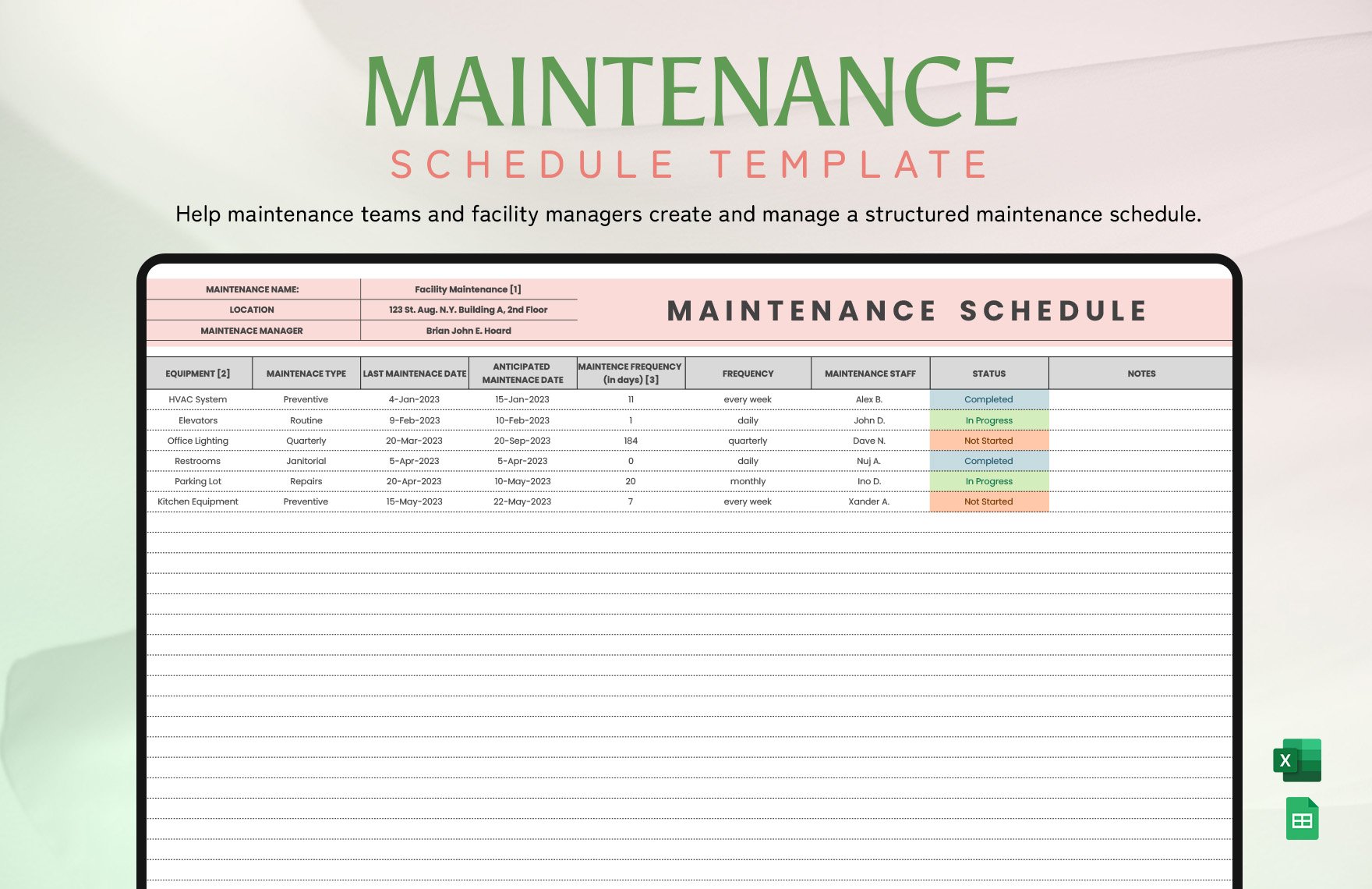
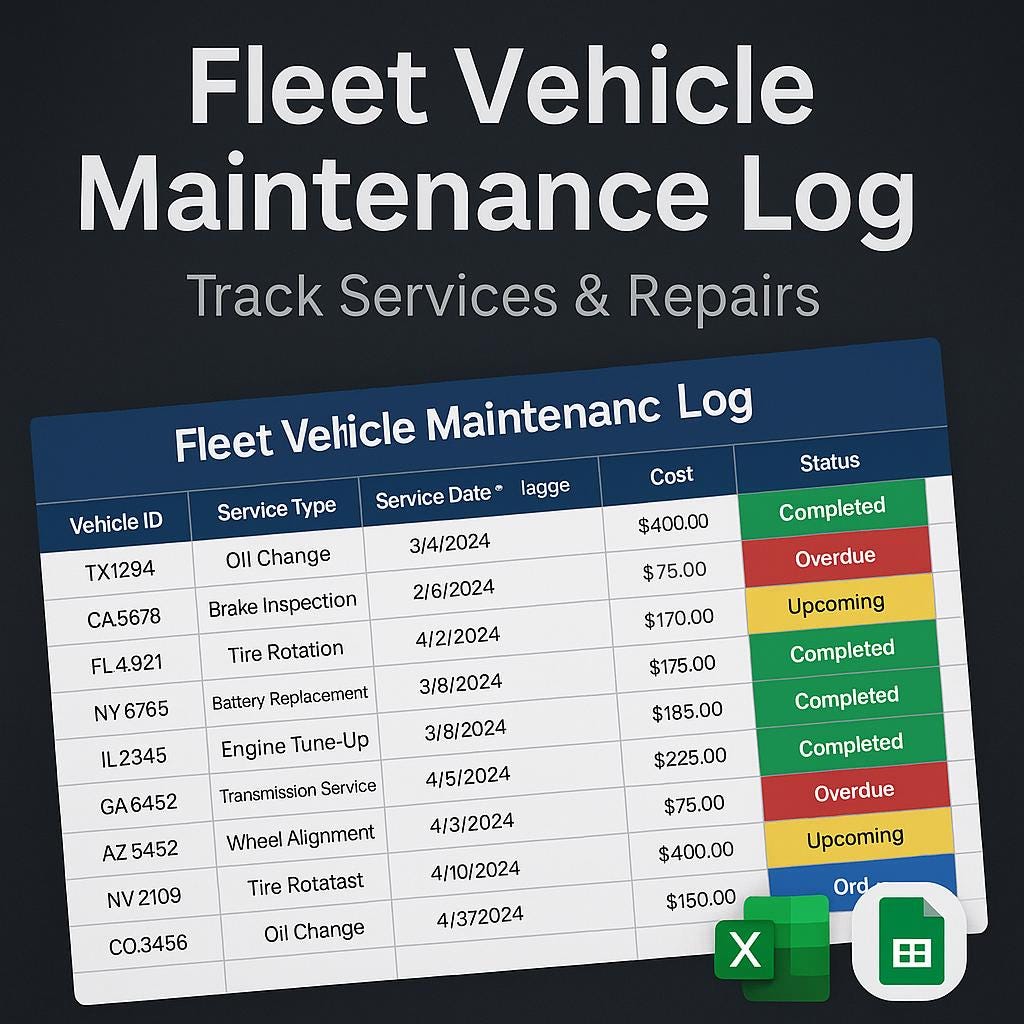
A car rental maintenance contract renewal Template is easiest to evaluate when readers can see how maintenance agreements organize their information visually. The examples below show different document structures, including fleet contract pages, vehicle maintenance contract sections, and a maintenance log. They illustrate useful patterns such as clear headings, defined service scope, recurring schedules, payment sections, contract duration, signature areas, and vehicle-level records. These visuals should be treated as references for structure and presentation rather than as universal legal forms. The correct wording depends on the parties, fleet, service arrangement, and jurisdiction.
The following references also demonstrate why a renewal document should connect contractual terms with operational records. A contract page can establish responsibilities, while a maintenance schedule or log can show how those responsibilities are carried out. Reviewing both types of documents helps a rental business identify missing fields, clarify service expectations, and create a renewal package that is easier for managers, maintenance providers, finance teams, and authorized signatories to understand.

Fleet Maintenance Contract Template – Page 1
Source: Venngage
Fleet Maintenance Contract Template – Page 2
Source: Venngage
Fleet Maintenance Contract Template – Page 3
Source: Venngage
Fleet Maintenance Contract Template – Page 4
Source: Venngage

Vehicle Maintenance Contract Template – Page 1
Source: Venngage

Vehicle Maintenance Contract Template – Page 2
Source: Venngage

Vehicle Maintenance Contract Template – Page 3
Source: Venngage

Vehicle Maintenance Contract Template – Page 4
Source: Venngage
Vehicle Maintenance Log Template
Source: Template.net
