The best planner is more than a list of goals. It should show the relationship between objectives, initiatives, activities, owners, deadlines, resources, risks, and key performance indicators. That makes the document useful to executives, operations managers, department heads, project leaders, finance teams, and individual contributors.
Searches for spreadsheet, PDF, Word, Google Sheets, and presentation versions reflect different stages of the same planning problem. Some users need a working control sheet, some need a printable management document, and others need a presentation for leadership review. The underlying planning logic should remain consistent even when the file format changes.
A strong annual plan also needs to remain useful after approval. The year rarely unfolds exactly as expected. Demand changes, projects slip, staffing changes, costs move, and new priorities emerge. The planner therefore needs a review mechanism that makes controlled adjustments possible without destroying the original baseline.
This guide explains how to design an effective annual operations planner template, what sections it should contain, how to choose between formats, how to connect operational work with financial planning, how to monitor progress, and how to turn the finished plan into a practical management system rather than a document that is forgotten after the planning meeting.
What Is an Annual Operations Planner Template?
An annual operations planner template is a reusable structure for organizing an organization’s operational priorities over a twelve-month period. It normally combines annual objectives with initiatives, activities, owners, schedules, resource requirements, budgets, measures of success, and review points.
The word “operations” is important because the planner focuses on execution. A strategic plan may establish a long-term direction, while an operating plan explains what the organization intends to accomplish during the coming year and how resources will be deployed to accomplish it.
A useful template should make several questions easy to answer: What must happen this year? Why does it matter? Who owns it? When does it start and finish? What resources are required? What will success look like? How will progress be measured? What happens if assumptions change?
The format can be simple or sophisticated. A small business may need one worksheet with annual objectives, monthly milestones, owners, budgets, and status fields. A larger organization may use multiple linked worksheets for objectives, initiatives, headcount, financials, risks, KPIs, dependencies, and executive reporting.
The important distinction is between a template and a finished plan. A template provides the architecture. The organization still needs reliable information, realistic assumptions, responsible owners, agreed targets, and a regular review process to turn that architecture into an effective annual operating system.
Why an Annual Operations Planner Matters
Annual planning creates a bridge between broad organizational intentions and day-to-day execution. Without that bridge, departments can pursue individually reasonable activities that compete for the same people, money, technology, or management attention.
A common benefit is visibility. When activities are displayed across quarters and months, leaders can see whether too many major initiatives are scheduled for the same period. The visual structure also makes dependencies easier to identify before they become operational problems.
Another benefit is accountability. Assigning an owner to an objective or deliverable creates a clear point of responsibility. Ownership does not mean one person performs every task; it means someone is accountable for coordinating the work and escalating obstacles.
The planner can also improve financial discipline. When initiatives are connected to expected costs, staffing, procurement, technology, and other resources, managers can evaluate whether the proposed workload is realistic within available capacity.
Finally, an annual planner establishes a baseline for performance management. Actual results can be compared with planned targets, milestones can be reviewed, and assumptions can be updated. The plan becomes a reference point for management conversations rather than simply a document produced during planning season.
How the Planner Connects Strategy and Execution
The most effective planning hierarchy usually moves from direction to outcomes, from outcomes to initiatives, and from initiatives to activities. This prevents the common mistake of starting with a large task list before deciding what the work is supposed to achieve.
For example, a business might identify “improve delivery reliability” as an annual outcome. That outcome could lead to initiatives such as supplier review, process redesign, inventory policy changes, staff training, and technology improvements.
Each initiative can then be broken into concrete activities. Supplier review might involve supplier segmentation, contract analysis, performance scoring, corrective-action plans, and quarterly supplier meetings.
The planner should preserve those relationships. If an activity cannot be connected to an objective or meaningful operational requirement, it deserves scrutiny. It may be necessary work, but it may also be an outdated activity consuming capacity without contributing to current priorities.
This hierarchy makes prioritization easier because managers can discuss the value of work at several levels rather than treating every task as equally important.
Annual plans are especially useful when they resemble the structured company-plan view shown below, where objectives, strategies, approvals, and major goals can be viewed together.

Core Components of an Effective Annual Operations Planner
The first component is an executive overview. This should summarize the planning period, major priorities, expected outcomes, significant assumptions, and the small number of issues that leadership needs to understand immediately.
The second component is the objective framework. Each objective should describe a result rather than merely an activity. “Implement a new reporting system” describes work, while “reduce monthly reporting preparation time” describes an outcome that the work is intended to produce.
The third component is the initiative register. Initiatives are larger bodies of coordinated work that support annual objectives. They should have owners, expected benefits, dates, resource requirements, dependencies, and a clear definition of completion.
The fourth component is the activity or milestone schedule. This is where broad initiatives become manageable execution steps. Depending on the organization, activities may be organized by quarter, month, week, project phase, department, or operational cycle.
The fifth component is measurement. KPIs should be linked to objectives and should distinguish between planned targets, actual results, variance, and commentary. A metric without a target is difficult to interpret, while a target without an owner is difficult to manage.
Recommended Columns for the Master Planner
A practical master worksheet can include objective, initiative, activity, owner, department, priority, start date, end date, quarter, status, dependency, budget, resource requirement, KPI, target, actual, variance, risk, and next action.
Not every organization needs all of these fields on one screen. Too many columns can make the planner difficult to use. A better approach is to keep the master view concise and place detailed financial, risk, or project information in supporting worksheets.
Status should be standardized. A simple set such as Not Started, Planned, In Progress, At Risk, Complete, and On Hold is usually more useful than dozens of custom labels.
Dates should also be standardized. If some teams use fiscal quarters and others use calendar months, the planner should clearly identify the planning basis. Confusion about periods can create misleading comparisons.
Owners should be people or clearly defined roles rather than vague groups. “Operations” may identify a department, but “Operations Manager” or “Supply Chain Lead” provides stronger accountability.
Designing the Annual Timeline
An annual planner should provide both a high-level year view and enough detail for execution. Quarterly planning is useful for leadership because it prevents the annual document from becoming overloaded with minor tasks.
Monthly detail becomes important when activities have fixed operational cycles, reporting requirements, procurement dates, hiring plans, campaigns, maintenance windows, or customer commitments.
Milestones should represent meaningful checkpoints. A milestone such as “requirements approved” is usually more useful than listing every meeting associated with the requirements process.
Dependencies should be visible when one activity cannot begin or finish until another activity is completed. This is particularly important for technology implementations, construction, procurement, product launches, organizational changes, and regulatory projects.
A Gantt-style view can be useful when the annual planner contains many interdependent initiatives. The example below demonstrates how dates, task ownership, duration, and completion percentage can be translated into a visual timeline.
The timeline should not become a substitute for prioritization. A visually impressive schedule can still be unrealistic if the same people are assigned to too many activities simultaneously.
For this reason, annual planning should include capacity checks. Before approving the timeline, ask whether the people responsible for the work actually have enough time, skills, budget, and operational flexibility to complete it.
A useful calendar view also helps reveal seasonality. Some businesses experience predictable peaks in demand, maintenance, hiring, procurement, customer activity, or reporting. Scheduling major internal changes during those periods may create unnecessary operational risk.
Once the annual timeline is agreed, the planner can become the foundation for monthly operating reviews. Each month, teams should update progress, identify variances, confirm upcoming milestones, and decide whether priorities need to change.
The visual calendar below illustrates why an annual planner works particularly well when teams need to discuss timing together rather than viewing each project in isolation.

Building the Budget Into the Planner
An annual operations planner becomes considerably more useful when operational commitments are connected to financial resources. A plan that lists twenty initiatives but does not show their resource implications is incomplete.
Budget fields should distinguish between recurring operating costs and one-time investment. Labor, software subscriptions, travel, materials, contractors, training, facilities, and capital purchases can have very different approval and forecasting implications.
Each initiative should have an identifiable financial owner or source of budget authority. This does not necessarily mean every activity needs a precise cost estimate from day one, but significant spending should have an accountable planning assumption.
It is also helpful to track budget, actual spend, committed spend, and remaining forecast where the organization has sufficient financial data. This makes it possible to see whether an initiative is financially on track even when operational milestones appear healthy.
The following dashboard example illustrates the broader principle: financial and operational information become more useful when they are brought into a common management view.

Budgeting should not be treated as a final step after activities have already been selected. Resource constraints should influence prioritization from the beginning.
For example, if a department has funding for only two major transformation projects, the planner should make the trade-off visible. Adding a third project without removing or delaying another creates a capacity problem even if the spreadsheet technically accommodates it.
A strong planner therefore helps leadership make choices. It should be possible to identify which initiatives are mandatory, which are strategic, which are efficiency improvements, which are discretionary, and which could be delayed if conditions change.
Variance analysis should also be built into the review process. A budget variance is not automatically a problem. The important question is whether the variance is explained, understood, and consistent with the expected outcome.
When budget and operational progress are reviewed together, leaders can distinguish between problems caused by execution, assumptions, timing, scope changes, or external conditions.
Capacity and Resource Planning
People are usually the most constrained resource in an operations plan. A project may have an approved budget and a realistic timeline but still fail because the required specialists are already committed elsewhere.
A capacity section should identify key roles, available working capacity, planned allocations, hiring assumptions, contractor requirements, and periods of high workload.
Capacity planning should be performed at the level necessary to reveal bottlenecks. A small company may need only department-level estimates, while a larger organization may need role-level or skill-level planning.
The objective is not to create perfect forecasts. It is to detect obvious conflicts early enough to change sequencing, staffing, scope, or deadlines.
A capacity worksheet can also help separate project work from business-as-usual work. Employees may appear to have substantial availability if routine operational responsibilities are excluded, even though those responsibilities consume most of their practical working time.
The example below shows how resource requirements, project phases, monthly allocations, and projected costs can be organized in a capacity-planning structure.

Capacity should be reviewed whenever major assumptions change. If a strategic initiative is accelerated, its resource impact should be reflected immediately rather than waiting for the next annual planning cycle.
Skills matter as much as hours. Ten available employees cannot necessarily replace one specialist with a scarce technical, financial, legal, engineering, or operational skill.
Training can therefore be treated as a capacity investment. A planner can identify the capabilities needed for upcoming initiatives and schedule training early enough for employees to become productive before critical milestones.
External capacity should also be explicit. Contractors, consultants, temporary staff, vendors, implementation partners, and outsourced services can all affect the timing and cost of annual initiatives.
The most useful resource plan is one that exposes constraints while there is still time to make decisions, rather than documenting resource shortages after deadlines have already been missed.
KPIs and Performance Tracking
Key performance indicators convert an annual operations planner from a schedule into a management system. The right KPI shows whether the organization is moving toward the desired outcome, not simply whether someone completed an activity.
KPIs can be financial, operational, customer-related, quality-related, productivity-related, people-related, or project-related. The selection should reflect the organization’s objectives rather than copying generic measures from another business.
Every KPI should have a definition. If “on-time delivery” is used, the planner should specify what counts as on time, which transactions are included, how exceptions are handled, and where the data comes from.
Targets should be accompanied by a baseline whenever possible. Knowing the starting position helps determine whether the annual target is ambitious, realistic, or disconnected from current performance.
Performance dashboards are especially useful when they show target, actual, variance, trend, and commentary together. This allows managers to identify exceptions without reading every row of an operational register.
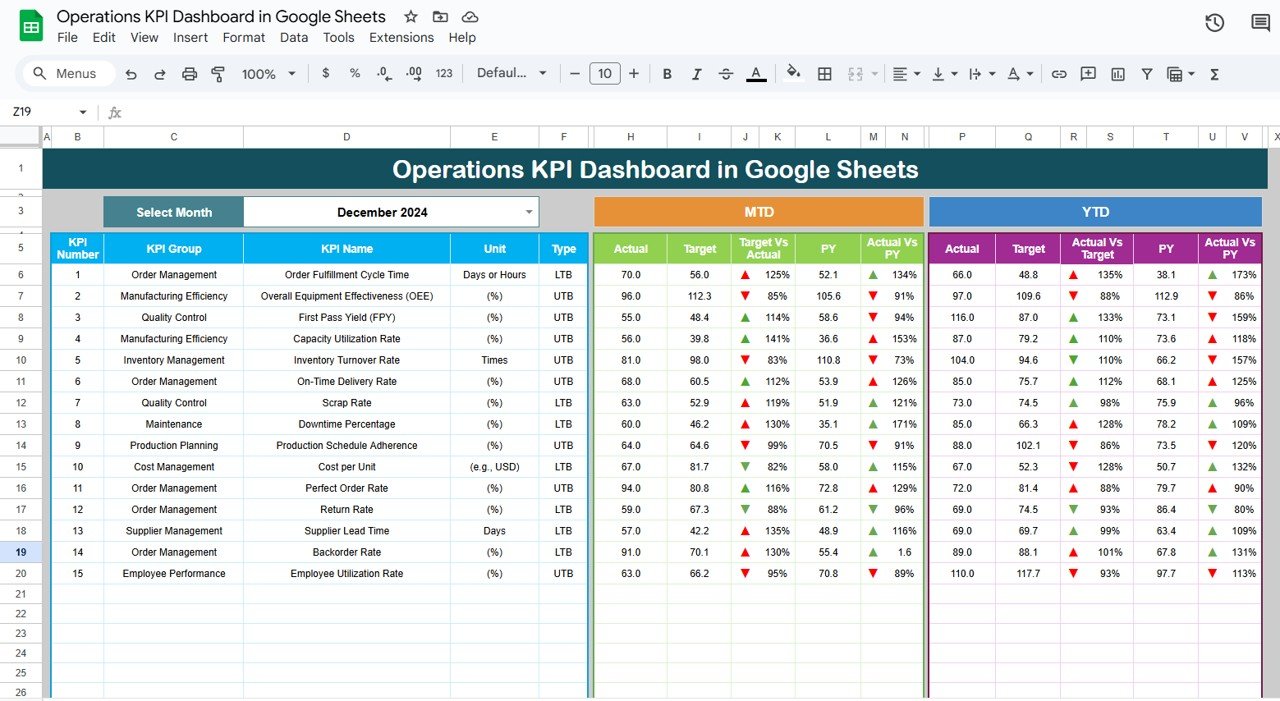
Leading indicators can provide early warnings. Examples might include backlog, response time, capacity utilization, pipeline volume, unresolved issues, or supplier lead times, depending on the business model.
Lagging indicators show outcomes after they occur. Revenue, completed orders, annual margin, customer retention, defects, or project completion can provide valuable confirmation of performance.
A balanced annual planner should not contain dozens of KPIs simply because data is available. Too many measures dilute attention. The most important indicators should be visible enough to influence decisions.
Each KPI should also have an action threshold. If actual performance falls outside an agreed range, the planner should indicate what happens next: investigate, escalate, revise the forecast, assign corrective action, or change the plan.
Good KPI management therefore creates a loop: measure, interpret, decide, act, and measure again.
Risk, Dependencies, and Contingency Planning
Annual plans contain assumptions about demand, staffing, suppliers, technology, budgets, timing, and organizational capability. Risk management makes those assumptions visible instead of leaving them implicit.
A basic risk register can include risk description, category, probability, impact, risk score, mitigation, owner, trigger, status, and review date. The scoring method should be simple enough that teams will actually maintain it.
Risk ownership matters. A risk register filled with risks but no accountable owners becomes a static list. The owner should have enough authority to coordinate mitigation or escalate decisions.
Dependencies deserve similar treatment. If one initiative depends on another team’s deliverable, the dependency should appear in the plan rather than existing only in someone’s memory.
Scenario planning can extend the risk register. Instead of asking only what might go wrong, leaders can consider what they would do under a few plausible conditions such as lower demand, higher costs, delayed hiring, supplier disruption, or accelerated growth.
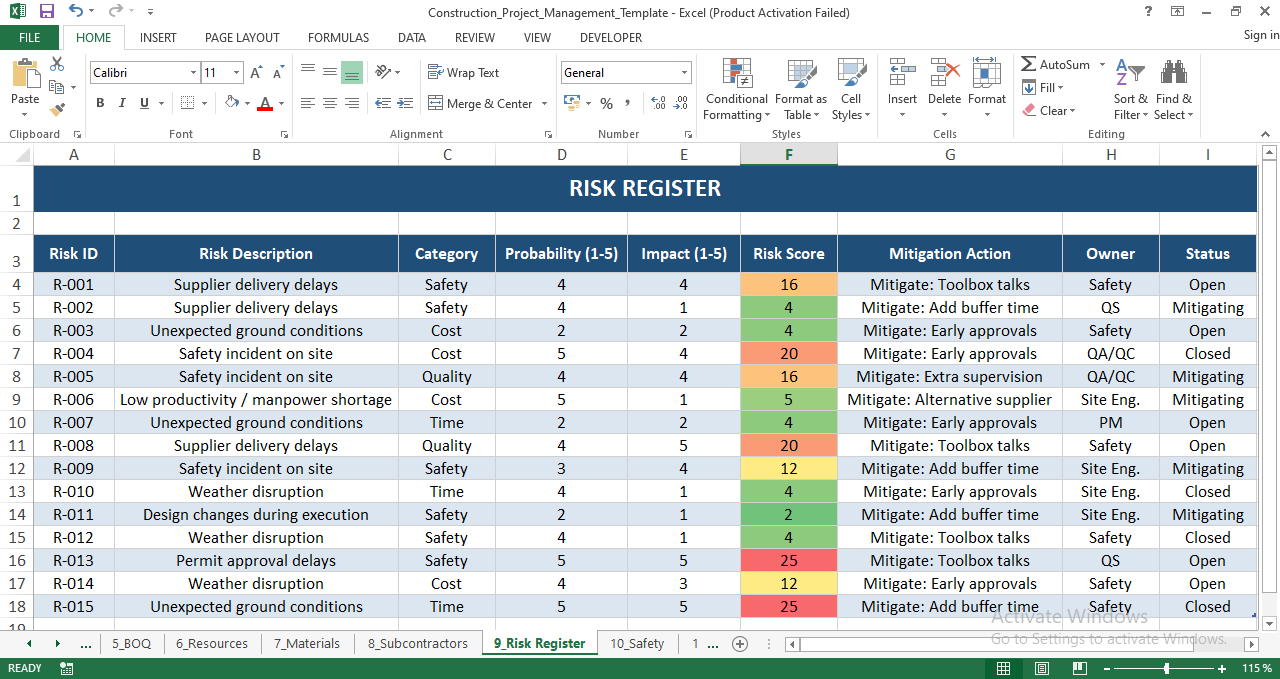
Contingency planning should be proportionate. A small internal initiative does not require the same level of risk analysis as a major system migration or facility project.
Risks should also be reviewed at regular intervals. Some risks disappear, others increase, and new risks emerge during execution.
A useful trigger is a change in probability or impact. If an issue moves from a theoretical concern to a realistic threat, it should become more visible in the operating review.
Risk planning is most effective when mitigation actions are integrated into the annual schedule. “Reduce supplier risk” is vague; “qualify a secondary supplier by the end of Q2” is actionable.
The goal is not to eliminate uncertainty. The goal is to make important uncertainty visible enough that the organization can respond deliberately.
Using the Planner for Project Portfolio Management
Organizations often have more proposed projects than they can realistically execute. An annual operations planner can become a portfolio-management tool by comparing projects using strategic value, urgency, cost, capacity, risk, and expected benefit.
A project should have a clear reason for existing in the annual plan. That reason might be regulatory, customer-driven, financial, operational, strategic, technological, or necessary to protect existing business performance.
Portfolio views are particularly useful for leadership because they reveal concentration. Several projects may appear independent but depend on the same finance team, engineering group, technology platform, vendor, or executive sponsor.
Priority classifications should be meaningful. If everything is labeled “high priority,” the classification provides no decision value.
A portfolio dashboard can show project count, budget, spending, status, risk, ownership, and delivery performance at a glance, as demonstrated in the example below.
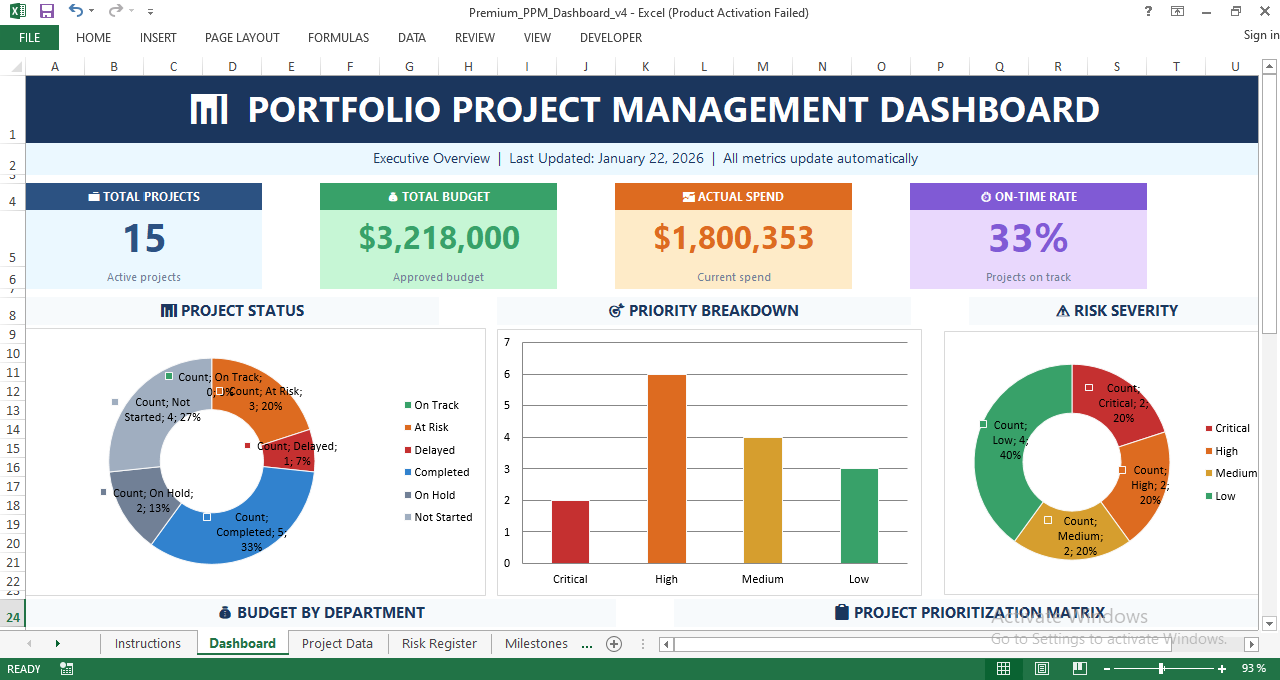
Portfolio reviews should also provide a formal mechanism for stopping or deferring work. Continuing every initiative simply because it was approved at the start of the year can waste resources when conditions change.
Project status should be evidence-based. “Green” should mean the project is genuinely within agreed tolerance, not simply that the project manager feels optimistic.
Executives should be able to see exceptions quickly. A dashboard that shows every project equally can hide the few items that require intervention.
Project prioritization also needs to consider operational load. A project with strong theoretical value may still be the wrong project to start during a period when the organization has no available implementation capacity.
Portfolio management turns the annual planner into a mechanism for making choices about the whole workload rather than approving projects individually without considering their combined effect.
Processes and Standard Operating Work
Not all annual operations work is project-based. Organizations also need to plan recurring processes such as reporting, quality reviews, maintenance, compliance checks, procurement cycles, inventory reviews, staff development, and customer-service activities.
Recurring activities should be represented differently from one-time projects. Instead of pretending that a recurring task has a single completion date, the planner can show its frequency, responsible owner, service standard, and review cycle.
Process mapping can help identify where annual objectives require changes to everyday workflows. For example, a cost-reduction initiative may require changes to purchasing approval, inventory management, supplier selection, or invoice processing.
Mapping the process makes it easier to identify handoffs, duplicate work, approval delays, and control points. It also helps ensure that operational improvements are designed around how work actually moves through the organization.
The following process-map example demonstrates how decision points and responsibilities can be visualized rather than described only in prose.

Process improvements should have measurable outcomes. A new workflow is not automatically an improvement simply because it is documented.
Useful measures might include cycle time, error rate, rework, throughput, service-level performance, cost per transaction, or employee effort.
Documentation should also specify who owns the process after implementation. Otherwise, improvements may gradually disappear as employees change roles or work around the intended process.
Annual planning is a good opportunity to review whether existing standard operating procedures still support current business objectives.
When operational processes and annual objectives are connected, process improvement becomes a planned business activity rather than an occasional reaction to problems.
How to Build the Planner Step by Step
Step 1: Review the Previous Year
Start with actual performance rather than assumptions. Review the previous year’s objectives, financial results, operational KPIs, completed initiatives, missed milestones, major risks, staffing changes, and lessons learned.
Separate structural problems from temporary events. A one-time disruption may require a contingency rather than a permanent change to the operating model.
Ask which activities created measurable value, which consumed resources without sufficient benefit, and which important responsibilities were missing from the previous plan.
Look for recurring causes of missed commitments. If several initiatives were delayed because the same specialist was unavailable, the problem is likely capacity rather than project management alone.
The annual planning process should use those lessons to improve the next year’s assumptions instead of simply copying the previous year’s spreadsheet.
Step 2: Define Three to Five Major Outcomes
Start with a manageable number of outcomes. A plan with too many top-level objectives often becomes a catalog of everything the organization might possibly do.
Each outcome should describe what needs to be true by the end of the year. It should be measurable enough to determine whether the organization succeeded.
For example, “improve operational efficiency” is broad. “Reduce average order-processing cycle time while maintaining the required quality standard” provides a clearer direction.
Outcomes should also reflect leadership priorities. Departmental objectives should contribute to organizational outcomes rather than operating as independent annual wish lists.
Once the outcomes are agreed, initiatives can be selected based on their contribution to those outcomes.
Step 3: Convert Outcomes Into Initiatives
For each outcome, list the initiatives required to produce the desired result. An initiative can contain multiple projects or activities, but it should have a coherent purpose.
Estimate the value, cost, resource requirements, duration, and risk of each initiative before committing it to the annual schedule.
Challenge initiatives that exist primarily because “we have always done them.” Annual planning is an opportunity to stop work as well as start work.
Identify initiatives that depend on other teams or external parties. These dependencies should influence sequencing and target dates.
The result should be a prioritized initiative portfolio rather than a long unranked list.
Step 4: Assign Owners and Milestones
Every significant initiative needs one accountable owner. Supporting contributors can be listed separately.
Break initiatives into meaningful milestones. Milestones should represent decisions, deliverables, approvals, launches, completions, or other points that indicate material progress.
Avoid creating hundreds of milestones simply to make the plan look detailed. Detail is useful only when it supports management decisions.
Set realistic dates based on capacity and dependencies. Dates should not be selected merely to satisfy an arbitrary quarterly distribution.
Confirm ownership with the people responsible before the plan is finalized. Accountability imposed without capacity or agreement creates predictable execution problems.
Step 5: Add Budget and Resources
Estimate the financial and human resources required for each major initiative. Include recurring and one-time costs where relevant.
Check the total workload against available staffing. If the organization cannot execute everything, the planner should make the trade-offs explicit.
Include technology, facilities, vendor, procurement, training, and specialist requirements where they can affect timing.
Financial assumptions should be documented so that later changes can be traced. If a cost estimate depends on a vendor quote, market assumption, headcount plan, or expected volume, note that assumption.
Resource planning turns an aspirational annual plan into a feasible one.
Step 6: Add KPIs and Review Rules
Select the few indicators that best show whether each outcome is progressing.
Define baseline, target, measurement frequency, owner, and data source. If actual data will not be available until quarterly reporting, do not create a false expectation of weekly measurement.
Set tolerance ranges where appropriate. For example, a KPI might be considered on track within a defined variance range and at risk beyond it.
Specify what happens when performance falls outside tolerance. The response might be investigation, corrective action, resource reassignment, revised sequencing, or leadership escalation.
These rules make the annual planner useful during execution rather than only during planning.
Annual Planner Format Options
Spreadsheet-Based Planning
Spreadsheet formats are usually the most flexible choice for an operational planner because they support formulas, filtering, sorting, conditional formatting, calculations, and multiple worksheets.
An annual operations planner template excel workbook can include an executive dashboard, master plan, monthly timeline, budget, KPI tracker, risk register, capacity model, and project portfolio in separate tabs.
Excel is particularly useful when the organization needs calculation-heavy planning. Budget variance, cumulative targets, headcount costs, monthly forecasts, and workload estimates can be calculated directly within the workbook.
The main risk is uncontrolled complexity. A spreadsheet that contains dozens of tabs and thousands of formulas can become difficult to maintain.
Use clear tab names, consistent fields, protected formula areas, documented assumptions, and a simple input convention to keep the workbook manageable.
Google Sheets Collaboration
Google Sheets can be useful when several people need to update the annual plan collaboratively. It is especially practical for teams already working in cloud-based documents.
An annual operations planner template google sheets structure can use one master sheet for objectives and initiatives and supporting tabs for budget, KPI tracking, risks, and monthly updates.
Collaboration creates benefits but also requires governance. Decide who can edit formulas, who approves changes, how archived versions are retained, and how major plan revisions are communicated.
Use comments or change documentation for material decisions rather than relying on cell history alone.
A collaborative planner works best when everyone follows the same definitions for status, dates, ownership, and KPI measurement.
Word-Based Planning
Word is often better suited to narrative operating plans than to detailed tracking. It can provide a polished executive document containing the annual priorities, strategic context, objectives, budgets, risks, and implementation approach.
An annual operations planner template word document is useful when the plan must be read as a formal management document or distributed as a controlled document.
Tables can provide structured information, but Word becomes less convenient when the plan requires frequent numerical updates or complex calculations.
A practical solution is to use a spreadsheet as the working control file and Word as the narrative version when both are needed.
This separation reduces the risk of forcing a document format to perform a spreadsheet’s job.
PDF and Printable Planning
PDF is valuable when the final plan needs to be distributed as a fixed, printable document. It can preserve layout across devices and provide a stable snapshot of an approved plan.
An annual operations planner template pdf can work well for review packs, board materials, printed planning binders, and controlled reference copies.
However, PDF should normally be treated as an output format rather than the primary working environment when the plan requires frequent updates.
A useful workflow is to maintain the editable plan in a spreadsheet or document and export an approved PDF at defined milestones.
The PDF should show its planning period, version, approval date, and other document-control information when those details matter to the organization.
How to Evaluate Free Templates
Search intent around annual operations planner template free usually reflects a desire to start quickly without purchasing specialized planning software. Free templates can be useful, but “free” does not automatically mean suitable.
Evaluate whether the template contains the fields your organization actually needs. A beautiful calendar with no owners, KPIs, budget, or milestone structure may be less useful than a plain worksheet that supports accountability.
Check whether the template can be edited in the software you use. Compatibility matters when formulas, formatting, charts, or conditional rules are involved.
Also examine licensing and access terms before redistributing a downloaded template or incorporating it into a commercial product. A template being publicly viewable does not automatically mean every form of reuse is permitted.
For searches such as annual operations planner template free download, verify the actual source and file before assuming that a download is available. A webpage discussing a template is not necessarily the same thing as a downloadable resource.
Practical Example: A One-Year Operations Plan
Consider a hypothetical distribution company preparing its annual operating plan. Leadership identifies three outcomes: improve delivery reliability, reduce avoidable operating cost, and strengthen workforce capability.
The delivery outcome might lead to initiatives involving supplier performance, warehouse scheduling, route optimization, and order-processing improvements.
The cost outcome could include procurement review, inventory reduction, energy efficiency, and process automation.
The workforce outcome could include supervisor training, skills certification, cross-training, and a revised workforce-capacity model.
The annual planner would connect these initiatives to quarterly milestones, monthly activities, owners, budgets, KPIs, risks, and review dates.
For example, a hypothetical KPI might be a reduction in average order-processing time from a defined baseline to a year-end target. The numbers would be organization-specific and should be replaced with actual measured data.
The planner could assign requirements gathering to Q1, process redesign to Q2, implementation to Q3, and stabilization to Q4.
The risk register might identify staff adoption, technology integration, supplier cooperation, and seasonal demand as potential risks.
Monthly reviews would then compare actual progress with milestones and identify corrective actions.
This type of structure is more valuable than simply listing “improve delivery” as an annual goal because it makes the work, timing, accountability, and evidence of success visible.
Common Mistakes to Avoid
One common mistake is confusing activities with outcomes. “Hold twelve meetings” is an activity. “Resolve recurring service bottlenecks” is an outcome. Meetings may support the outcome, but they are not the result themselves.
Another mistake is creating too many objectives. An annual planner should encourage prioritization, not provide a convenient place to store every possible idea.
A third mistake is assigning dates without considering dependencies. A project can have a perfectly reasonable start date on paper while depending on a deliverable that will not be available until later.
Another problem is ignoring business-as-usual workload. Employees may have little practical capacity for strategic initiatives because they are already responsible for recurring operational work.
Some organizations also fail to define what “complete” means. A project can be technically delivered while benefits have not yet been realized.
Finally, many annual plans become obsolete because nobody updates them. The solution is not necessarily more detail; it is a clear operating rhythm that makes plan maintenance part of normal management.
Best Practices for Maintaining the Planner
Keep the annual baseline visible. When the plan changes, preserve the original target so that management can understand how and why the forecast evolved.
Use monthly operating reviews for detailed progress and quarterly reviews for broader priority decisions. Different cadences serve different management needs.
Require meaningful commentary for major variances. A red status without an explanation does not help leadership decide what to do.
Keep ownership current. When someone changes role, the planner should be updated immediately rather than waiting until the next annual cycle.
Archive completed years. Historical plans provide useful context for future planning, especially when assumptions, recurring seasonal patterns, and performance trends need to be reviewed.
Reporting From the Annual Operations Planner
Reporting should be designed around decisions. Executives normally need a concise view of progress, financial performance, major risks, critical dependencies, and decisions requiring attention.
Operational managers usually need more detail, including upcoming milestones, staffing constraints, open actions, process metrics, and departmental performance.
Project teams may require task-level schedules and dependencies that would be excessive in an executive dashboard.
The same underlying planner can support all three audiences if the data is structured consistently.
Dashboards should emphasize exceptions and trends rather than simply reproducing the full plan.
A useful annual report can compare planned and actual performance by quarter, identify major achievements, explain material variances, summarize risks, and recommend priorities for the following period.
Visual reporting is particularly useful when numbers need to be understood quickly during leadership meetings.
The following dashboard-style example shows how operational performance can be organized into KPI cards, workload views, and trend charts.
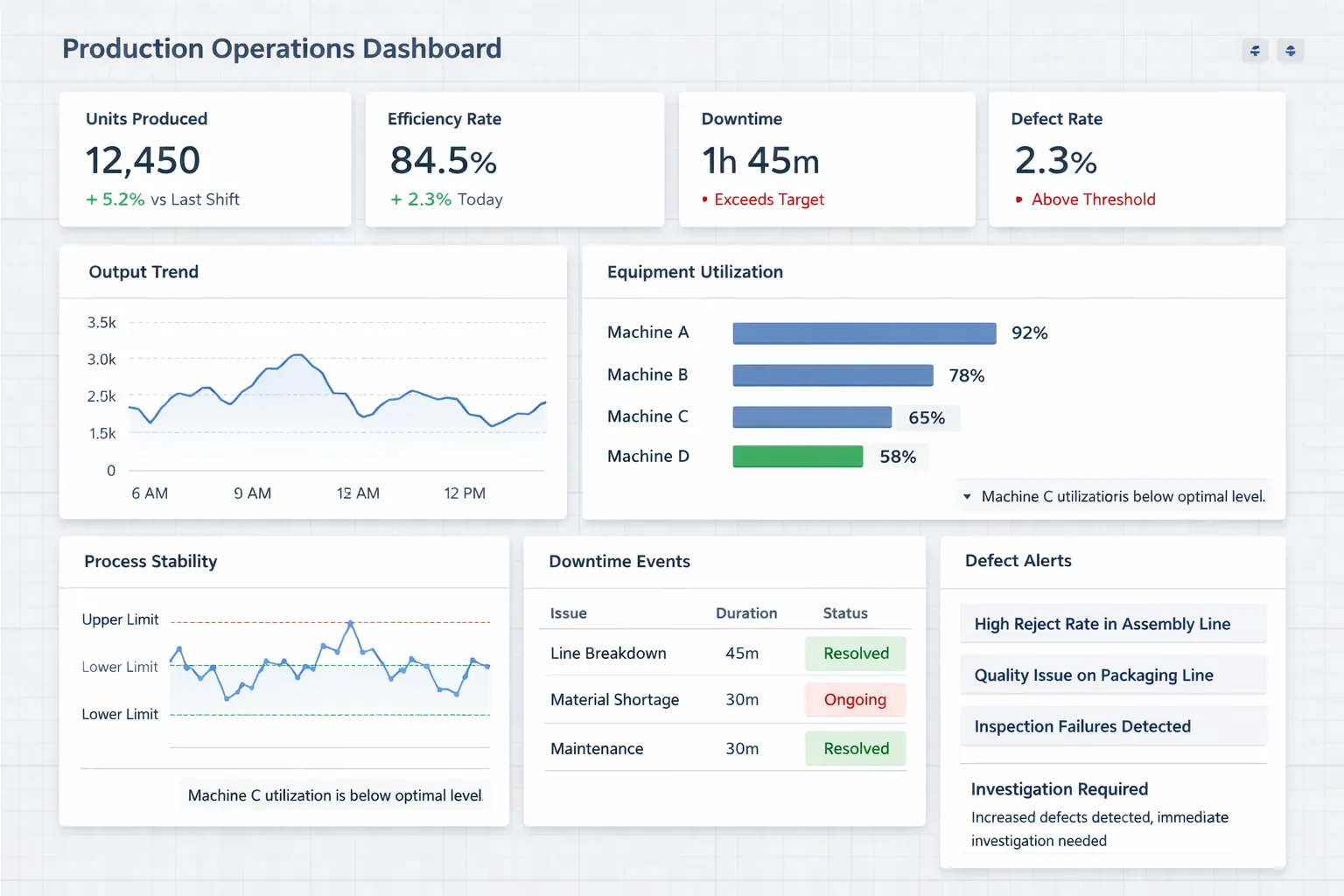
Reports should always distinguish between actual data and assumptions. Hypothetical targets should never be presented as historical performance.
When reporting contains estimates, label them clearly. This protects decision quality and prevents readers from treating forecasts as facts.
Practical Solution: A Simple Workflow You Can Implement
Start by creating one master annual planner with columns for objective, initiative, owner, quarter, start date, end date, KPI, target, budget, status, risk, and next action.
Next, create supporting tabs for monthly milestones, financial planning, capacity, KPIs, risks, and project details. Keep the master sheet focused on information required for management decisions.
Review the previous year’s performance and identify what should continue, stop, improve, or begin. Then agree on a small set of annual outcomes before adding detailed activities.
Translate each outcome into initiatives and assign a single accountable owner. Add milestones only after checking dependencies and resource capacity.
Build the budget and resource plan alongside the initiative list rather than after it. Remove, defer, or redesign initiatives that cannot be supported realistically.
For each major outcome, select a small number of KPIs with clear definitions, baselines, targets, data sources, and review frequencies.
Complete a risk and dependency review. Assign owners to material risks and define mitigation actions with dates.
Run an approval workshop where leadership reviews the full portfolio rather than approving initiatives one by one. This is where resource conflicts and competing priorities should be resolved.
After approval, establish a recurring operating review. Monthly reviews should focus on execution and variances; quarterly reviews should examine whether the overall priorities remain appropriate.
Finally, document material changes. The annual plan should remain a living management reference while retaining enough history to show how the plan evolved.
Reference Examples
The following reference images illustrate different formats and visual approaches relevant to annual operations planning. They are provided as examples of the types of layouts, spreadsheets, dashboards, calendars, and presentation structures that can inform template design.
annual operations planner template excel
Source: AZTech IT
annual operations planner template pdf

Source: Smartsheet
annual operations planner template free
Source: GoRetro
annual operations planner template free download
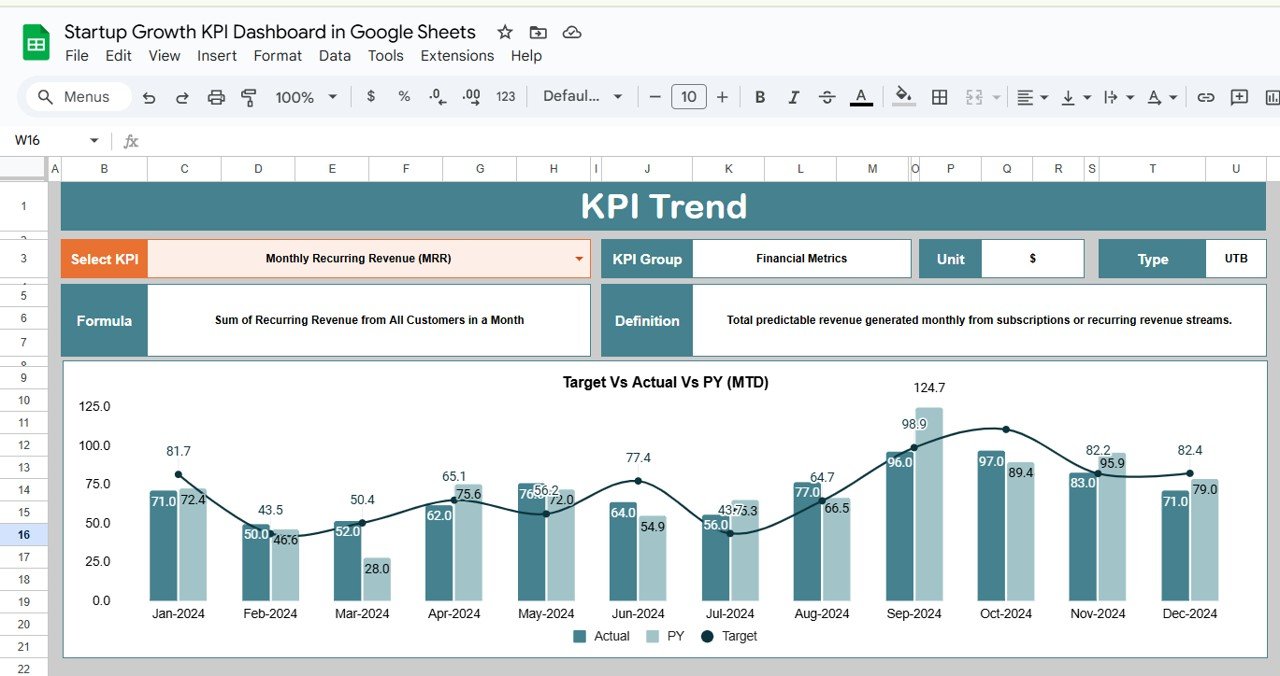
Source: Neotech Navigators
annual operations planner template google sheets
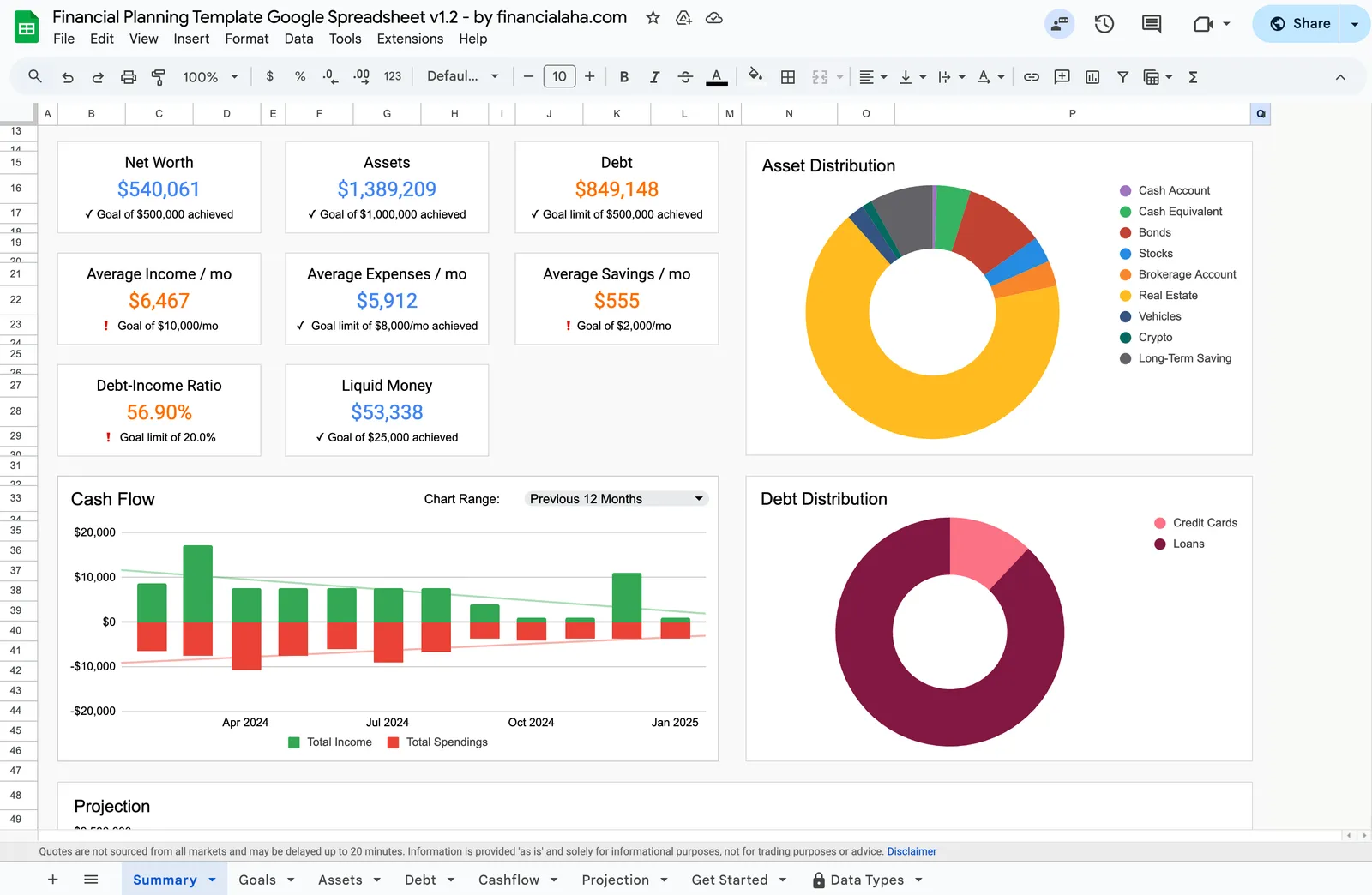
Source: FinancialAha
annual operations planner template word

Source: SlideTeam
annual operation plan template
Source: Template.net
annual operational plan template
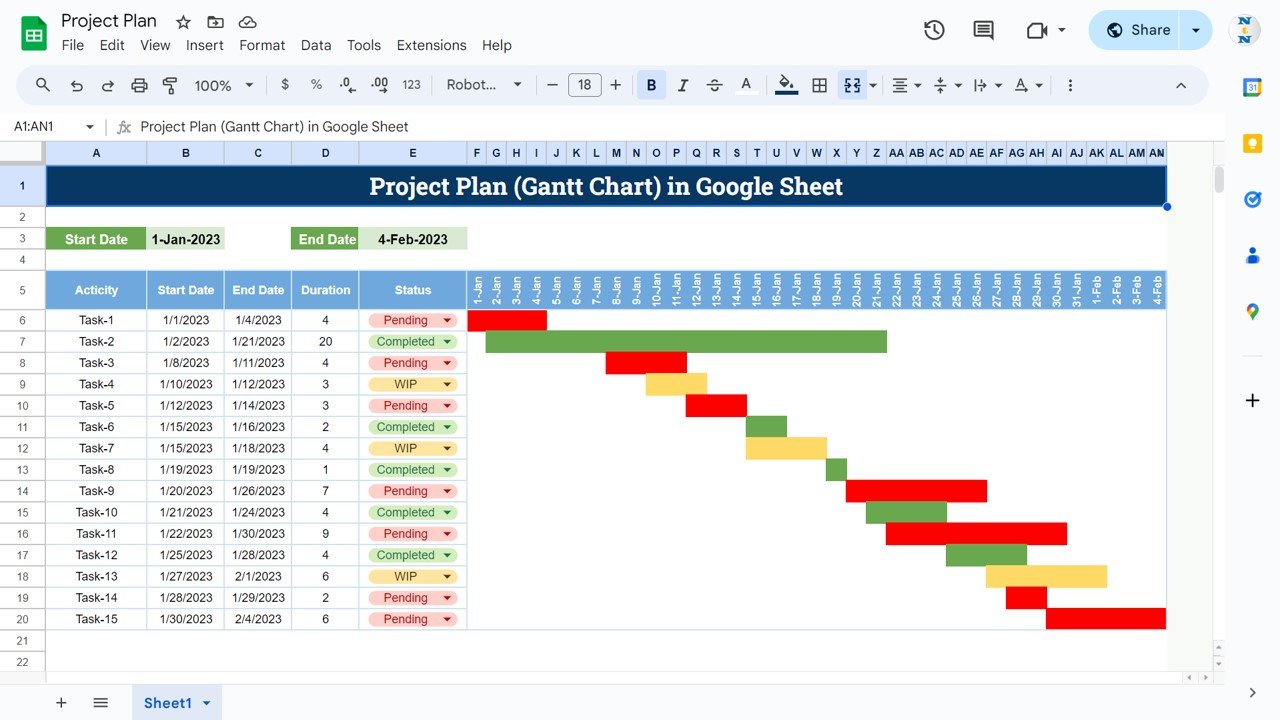
Source: Neotech Navigators
annual operating plan template ppt free
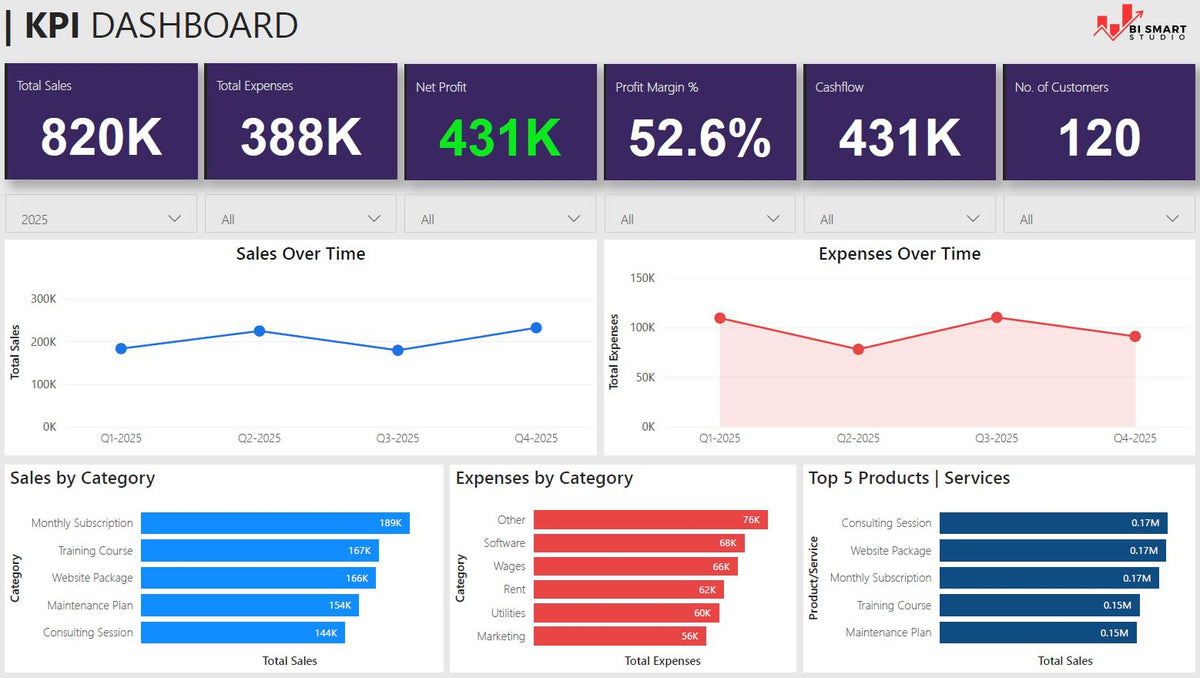
Source: BI SmartStudio
annual operating plan template excel

Source: Excel Kyou
annual planner template excel
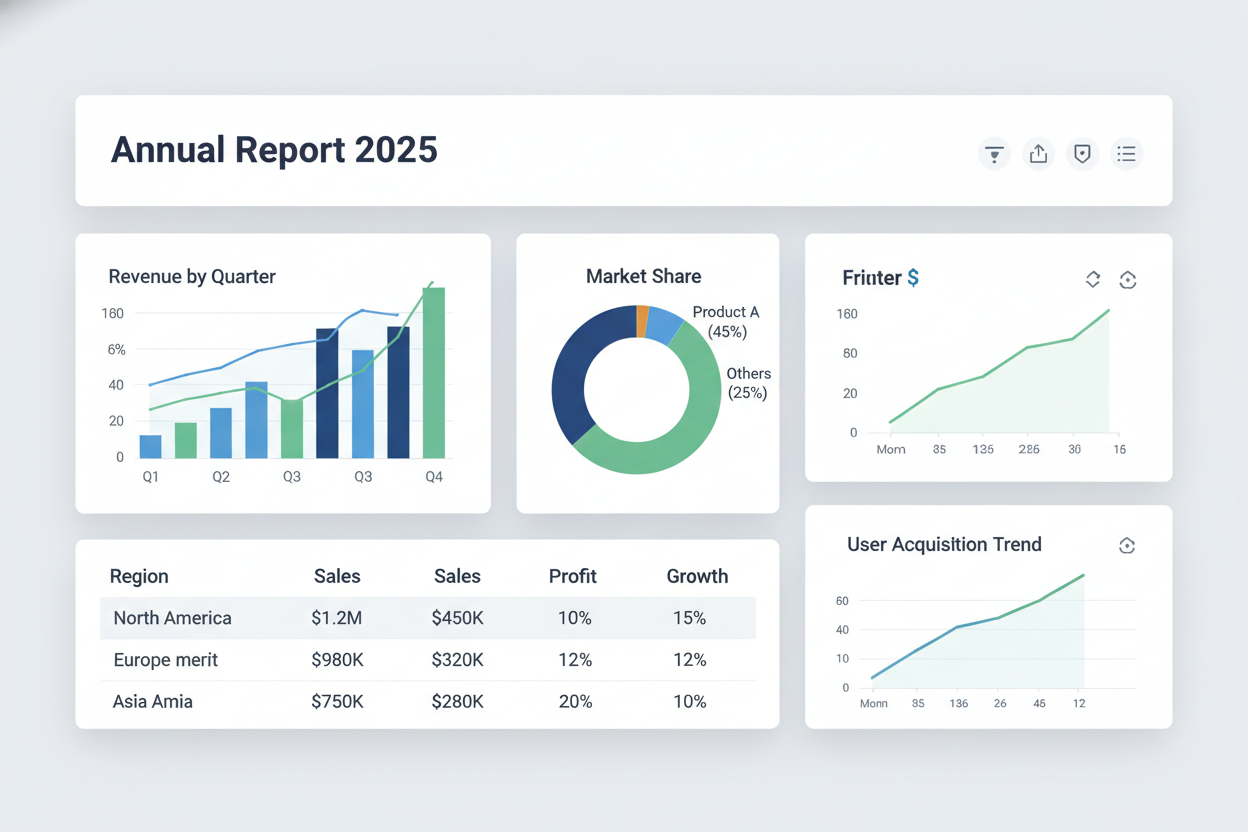
Source: AIQuickDraw
annual operating plan pdf
Source: Walmart
Frequently Asked Questions
What should an annual operations planner contain?
A useful planner normally contains annual objectives, initiatives, activities or milestones, owners, dates, resources, budgets, KPIs, risks, dependencies, status, and review dates. The exact structure should reflect the organization’s size and operating model.
What is the difference between an annual operations planner and an annual operating plan?
An annual operating plan describes the organization’s intended results, activities, resources, and financial assumptions for the year. An annual operations planner is often the working template or management tool used to organize and monitor that plan.
Should an annual operations planner be monthly or quarterly?
Use both levels when practical. Quarterly views are easier for strategic management, while monthly detail is useful for operational scheduling, budgets, staffing, recurring activities, and milestone tracking.
Is Excel a good format for annual operations planning?
Excel is often a strong choice when the planner requires calculations, filtering, budgeting, KPI tracking, and multiple worksheets. It is less suitable when the organization needs highly controlled multi-user workflow without additional governance.
Can a free template be used for professional planning?
Yes, provided the template has the necessary structure and its licensing permits the intended use. The organization should adapt the template to its own objectives, data definitions, review process, and document-control requirements.
How often should an annual operations planner be updated?
Most organizations benefit from monthly operational updates and deeper quarterly reviews. Major changes should be recorded when they occur rather than waiting for the next scheduled review.
Should budgets be included in the annual planner?
Yes, for major initiatives and resource commitments. Connecting planned work to its financial and staffing requirements makes the plan more realistic and allows managers to evaluate operational and financial performance together.
How many KPIs should an annual operations planner have?
There is no universal number. The better approach is to select a manageable set of measures that directly indicate progress toward the most important outcomes. A large collection of weak or redundant KPIs can reduce attention rather than improve control.
What makes an annual plan actionable?
Actionability comes from specificity. Each important commitment should have a defined result, owner, timeframe, resource requirement, success measure, and next action. The plan should also have a review process that leads to decisions when performance deviates from expectations.
Conclusion
The best annual operations planner template is not the one with the most tabs, colors, formulas, or decorative features. It is the one that creates a clear connection between annual priorities and the people, activities, resources, budgets, measures, risks, and decisions required to execute them. Start with a small number of meaningful outcomes, translate them into prioritized initiatives, assign accountable owners, build a realistic timeline, connect the workload to capacity and budget, and establish a regular review rhythm. When maintained throughout the year, the planner becomes a practical management system that keeps strategy connected to execution while giving leaders enough visibility to adapt intelligently as conditions change.
