A work from home cost reduction proposal template is a structured business document for explaining how a remote or hybrid operating model could change costs, what the organization would need to invest, and how savings would be measured. The strongest proposal does not assume that remote work automatically lowers every expense. Instead, it separates costs that can actually change from costs that remain fixed, identifies one-time transition spending, and states the assumptions behind every estimate.
Searchers using this phrase are usually looking for more than a blank form. They need a practical structure that helps turn a remote-work idea into a financially credible business case. That means showing the baseline, proposed operating model, cost categories, savings logic, risks, implementation stages, and approval request in a sequence that a manager or finance reviewer can understand quickly.
Why the Template Matters
A proposal is useful because cost reduction decisions are rarely based on a single number. Office leases, utilities, furniture, support services, hardware, software subscriptions, travel, employee support, security, and management time can all move differently when people work away from a central office. A good template keeps these categories visible and prevents a proposal from focusing only on rent while ignoring new technology, support, or security costs.
The U.S. Bureau of Labor Statistics notes that shifts toward remote work can change nonlabor inputs, including office footprint and utilities, while also emphasizing that productivity effects depend on tasks, technology, the home environment, motivation, and management practices. This makes a cost proposal stronger when it treats savings as a measured business outcome rather than a guaranteed consequence. :contentReference[oaicite:0]{index=0}

A useful proposal also distinguishes between direct savings and avoided future spending. Direct savings may come from a smaller leased footprint after a suitable contract decision. Avoided spending could include not expanding office capacity when headcount grows. These are economically meaningful but should not be mixed together without explanation.

What the Proposal Should Accomplish
The document should answer five questions. What is the current cost base? What operating model is being proposed? Which costs are expected to decline, rise, or stay unchanged? What assumptions support the estimate? How will management know whether the plan worked?
A concise executive summary should state the decision being requested, the population or departments in scope, the proposed work pattern, the financial objective, and the measurement period. It should not lead with a long description of remote work. Decision-makers need the business case first.

The next section should describe the baseline. Record current office capacity, occupied or assigned workstations, lease commitments, utilities, facilities services, equipment, technology subscriptions, travel, employee support, and relevant administrative costs. If some numbers are estimates, label them as estimates and identify the source or owner responsible for validation.

Cost Categories to Include
Office Space
Office space is often the largest potential lever, but it is also the category most likely to be overstated. A proposal should distinguish between a lease that can be changed and a lease that remains binding. If the contract cannot be reduced during the proposal period, the near-term saving may be zero even when long-term savings are plausible.
Utilities and Facilities
Utilities and facilities should be assessed separately. Electricity, heating, cooling, cleaning, security, maintenance, waste services, supplies, and shared facilities can have different cost behavior. A building that remains open may not produce proportional savings when occupancy falls, while coordinated remote days can sometimes make operating schedules easier to adjust.
Technology and Equipment
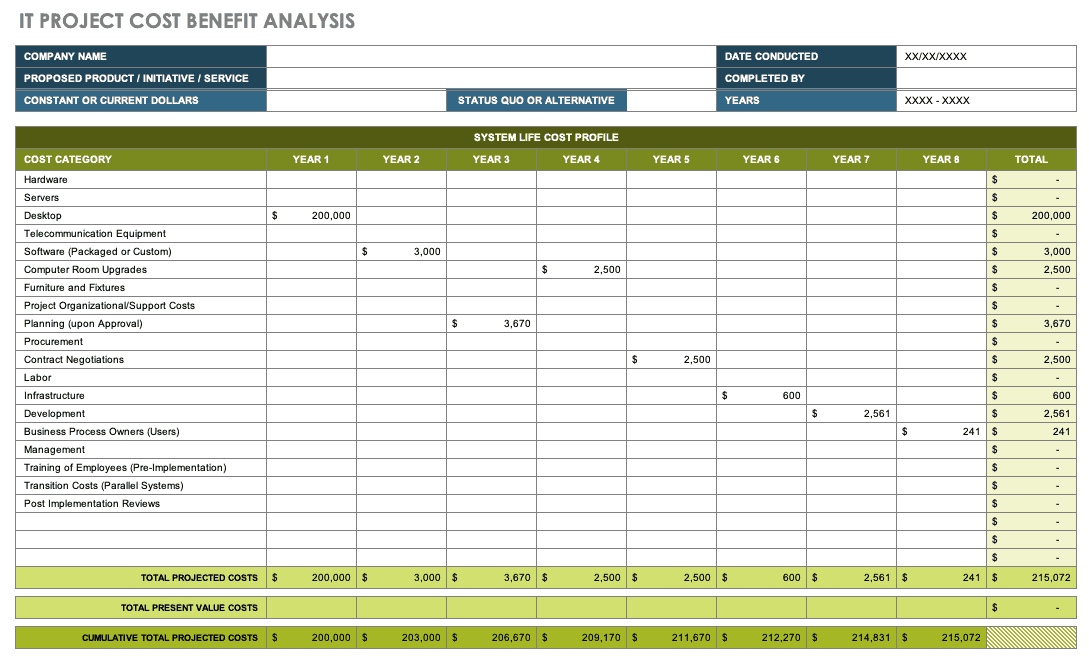
Technology needs should be treated as investment and operating cost. Equipment may include laptops, monitors, peripherals, replacement cycles, secure access controls, network capacity, support labor, and collaboration services. The proposal should show both the initial transition cost and the recurring cost.
Employee Support
Employee support deserves its own line. Depending on organizational policy, remote work may create expenses for equipment, connectivity support, training, ergonomic measures, or home-work setup. These are not necessarily reasons to reject a proposal. They simply belong in the financial model so the claimed savings are net rather than gross.
Travel and Workplace Services
Travel and workplace services can change as the work pattern changes. Some organizations may reduce commuting-related programs, catering, printing, parking, or local travel, while others may increase spending on periodic team gatherings or regional meetings. The proposal should model the actual operating design rather than assume every workplace service disappears.
Security and Compliance
Security and compliance should be treated as financial considerations as well as control issues. Remote access can require identity controls, device management, security monitoring, training, backup procedures, and incident response capacity. If these are already part of the technology budget, avoid double counting them.
How to Build the Financial Model
Start with a baseline period long enough to capture normal seasonal variation. Then classify each cost as fixed, variable, step-fixed, or discretionary. A lease is often fixed during its term. Cleaning may be partly variable. A support team may be step-fixed, meaning the cost changes when demand crosses a threshold. Travel can be discretionary or activity-driven.
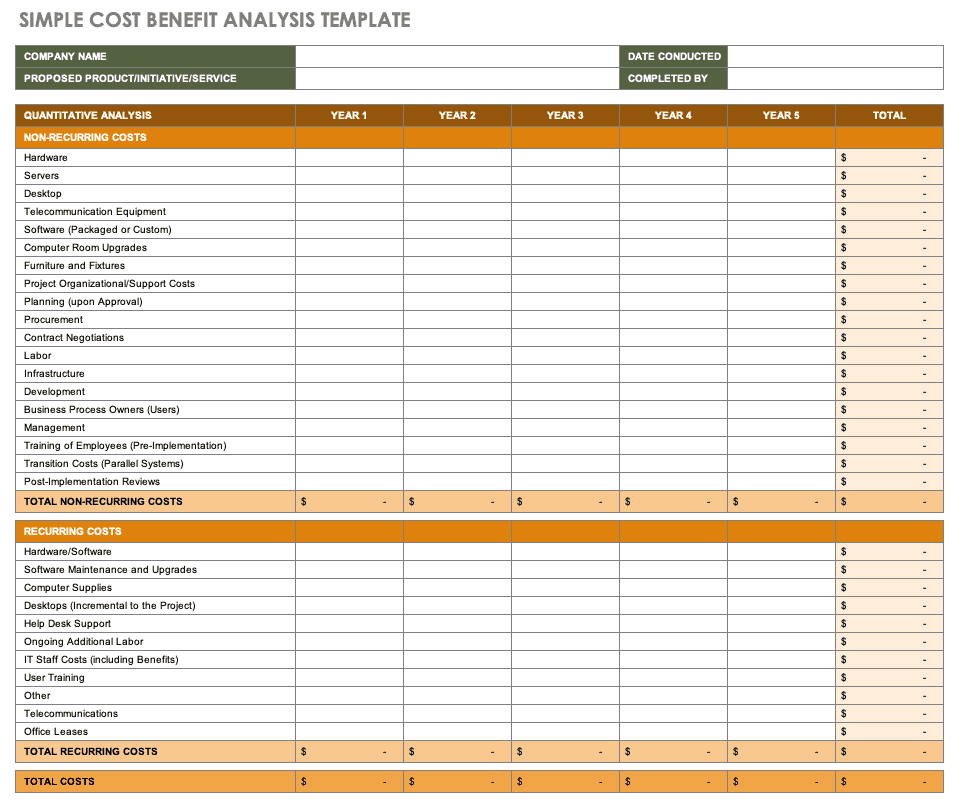
Next, create a proposed-state estimate. For each line, record current annual cost, expected future annual cost, one-time transition cost, timing of change, confidence level, and owner. A simple net annual saving formula is current annual cost minus proposed annual recurring cost.

For a fuller business case, calculate recurring savings plus avoided costs, then subtract recurring new costs and one-time transition costs. These formulas are illustrative. Actual finance treatment may require present-value analysis, tax treatment, depreciation, contract termination charges, or other organization-specific rules.
A cost-benefit analysis should also account for the cost of doing nothing. If the organization expects headcount growth, the baseline scenario may require additional desks or a larger site. The remote-work scenario might avoid that future expansion. The avoided expansion should be presented as a separate scenario, not silently added to current savings.

Scenario planning makes the proposal more credible. Build at least three cases: conservative, expected, and upside. The conservative case should use modest space and utility changes and higher transition costs. The expected case should reflect validated operational assumptions. The upside case can show what happens if space consolidation and coordinated schedules are achieved earlier than planned.
A Practical Example
Consider a hypothetical organization with 300 eligible office-based employees. Assume management is considering a hybrid model with three remote days per week for eligible roles. The numbers below are illustrative rather than a forecast.
Suppose the current annual workplace cost is 1,200,000 currency units. The proposed model could require 180,000 in one-time technology and transition spending and 720,000 in recurring workplace and support costs. The gross recurring reduction would be 480,000 per year. If the organization recognized the full transition cost in the first year, the first-year net effect would be 300,000 before taxes or financing effects.
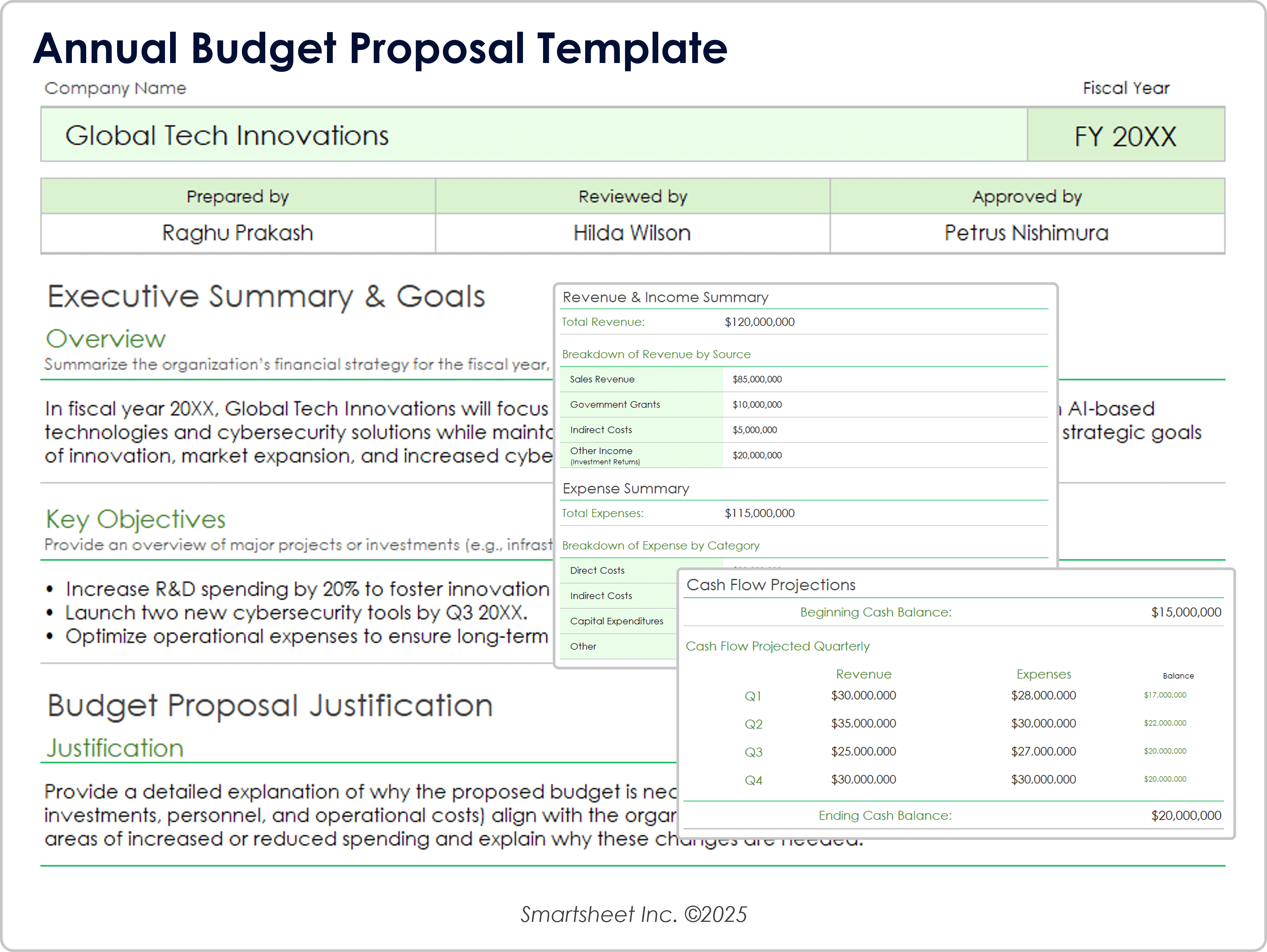
The important point is not the hypothetical saving. It is the structure. The proposal shows the starting point, the new recurring cost, the transition investment, and the period over which the change is evaluated. Management can then challenge each assumption instead of debating a single headline number.
The same logic works for smaller teams. A department may not be able to reduce its lease, but it may avoid a planned office expansion, reduce meeting-room pressure, consolidate equipment, or change cleaning frequency. The proposal should capture whichever levers are genuinely controllable.

How to Structure the Document
A professional document can follow this sequence:
- Executive summary: State the requested decision and headline financial logic.
- Current-state assessment: Document the existing workplace model and cost base.
- Proposed model: Describe eligible roles, remote frequency, office use, equipment, and support.
- Cost baseline: List current recurring and one-time costs.
- Savings opportunities: Identify each controllable cost lever and the mechanism behind the saving.
- New costs: Identify technology, security, support, travel, training, and other incremental spending.
- Financial scenarios: Show conservative, expected, and upside cases.
- Risks and controls: Explain operational, security, legal, employee, and financial risks.
- Implementation plan: Define phases, owners, milestones, and review gates.
- Measurement plan: Define the metrics that will determine whether the proposal achieved its objective.
- Approval request: State the decision required, budget authority, and next review date.

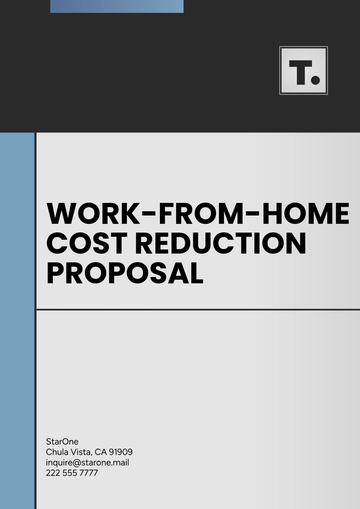
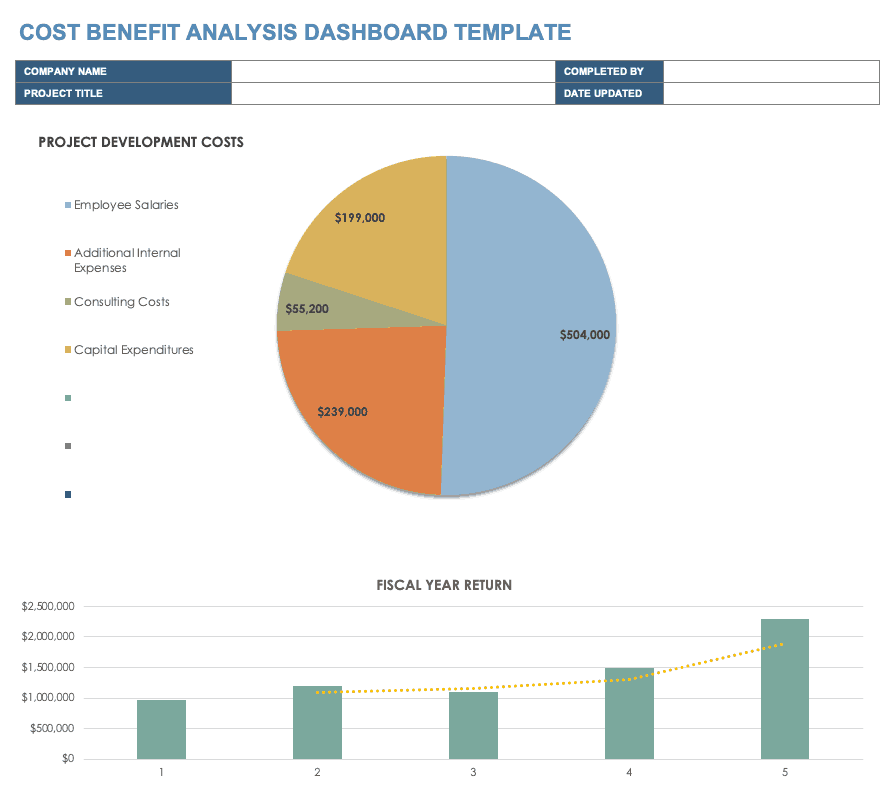
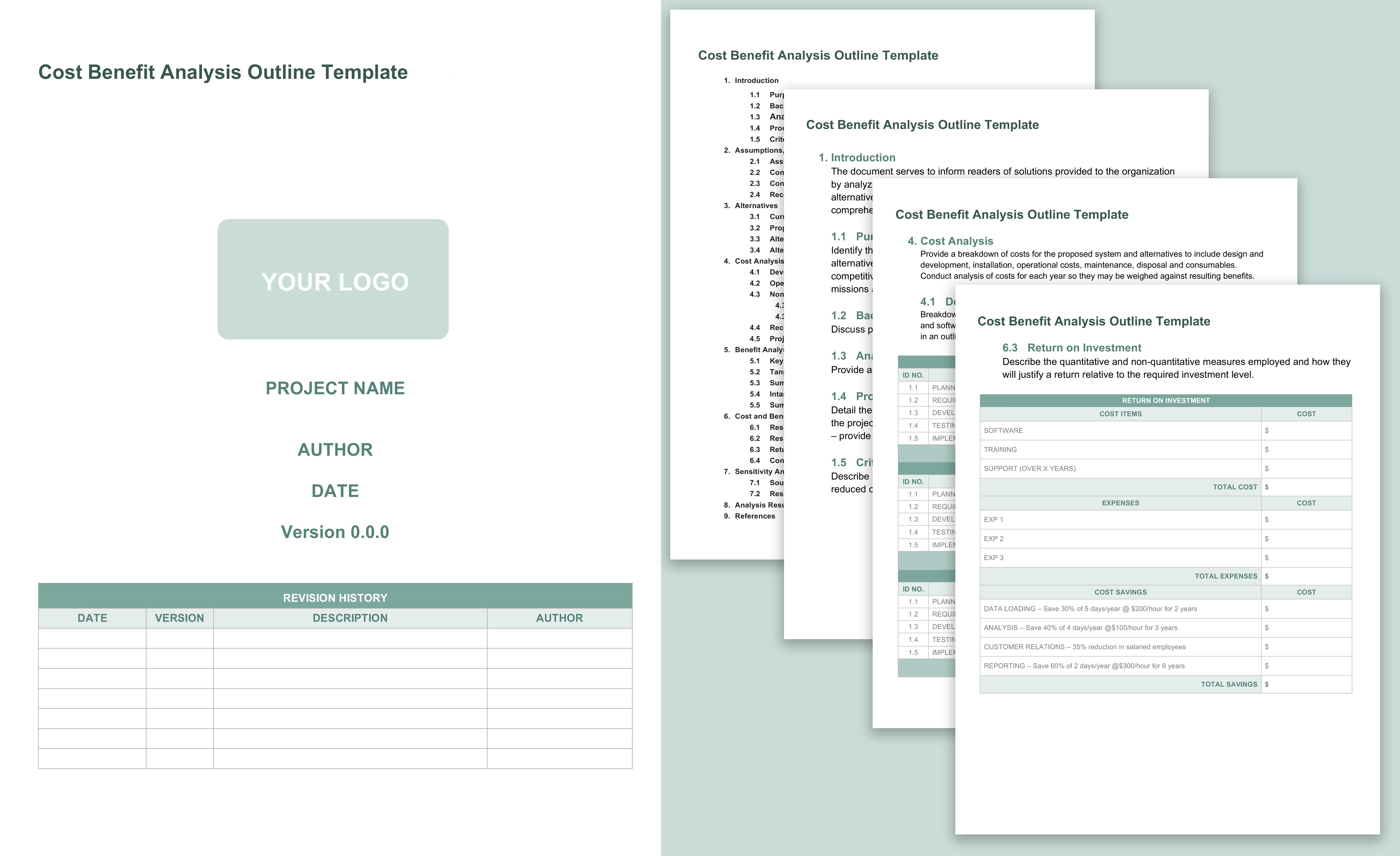
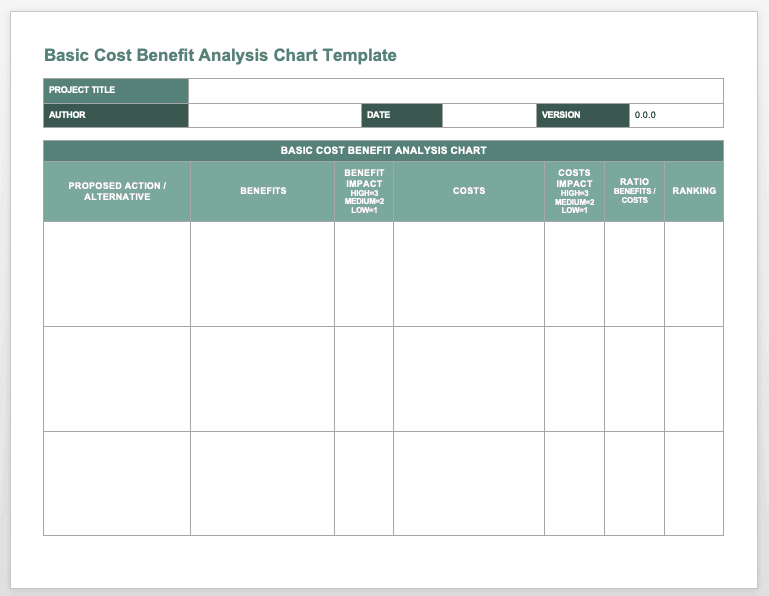
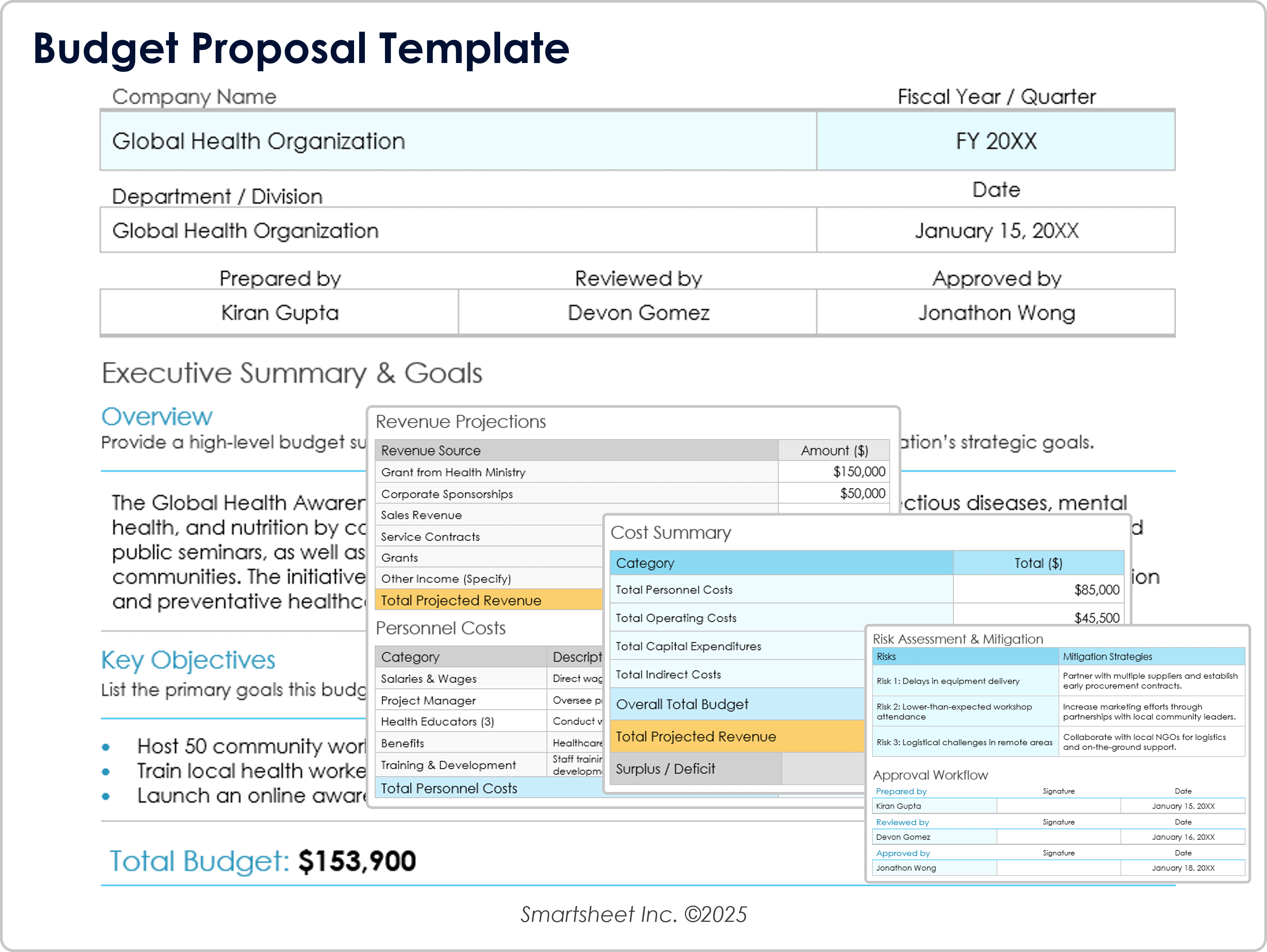
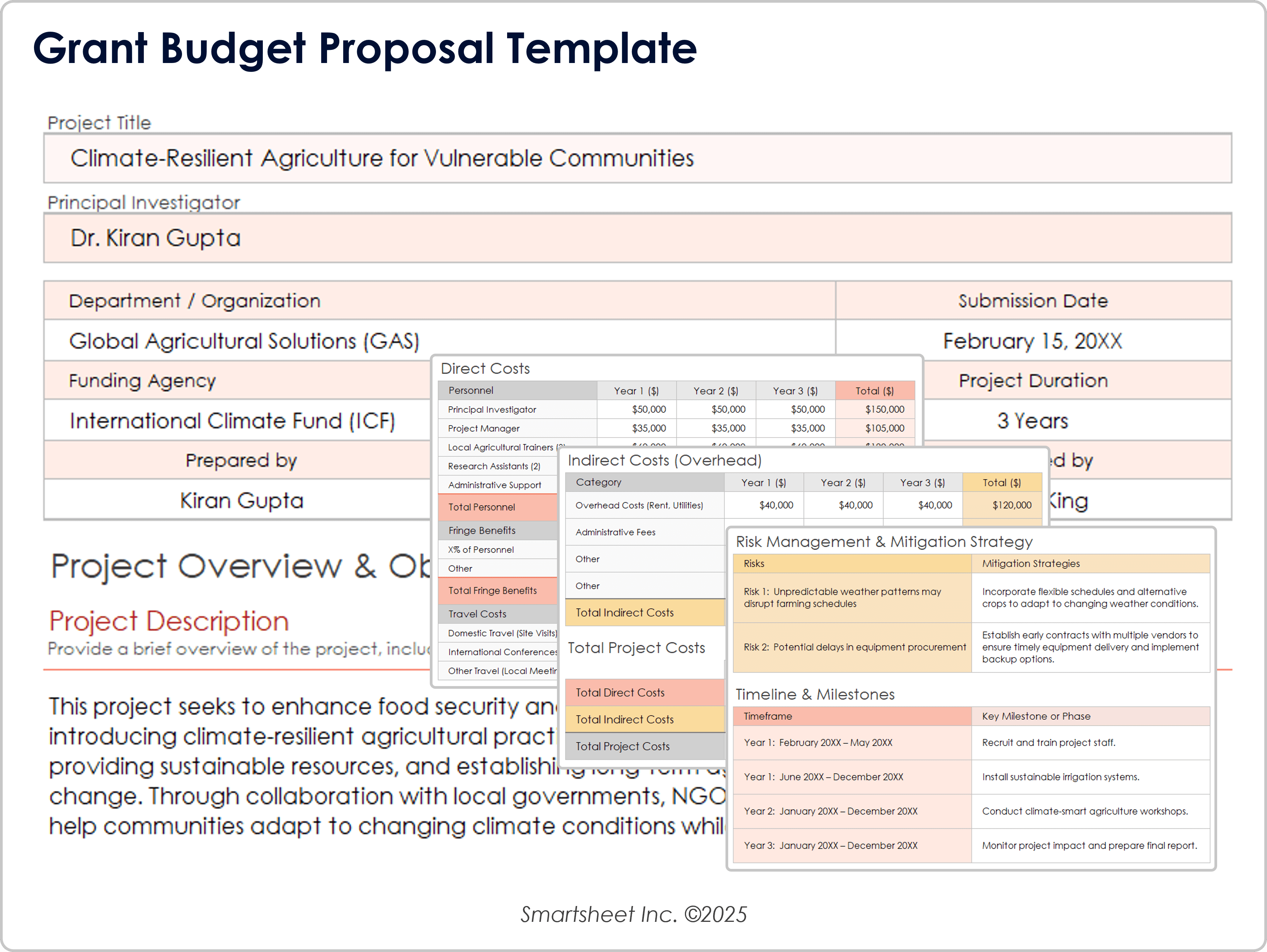
The visual examples in this article show why proposal design matters. Cost-benefit worksheets, budget layouts, dashboards, and remote-work proposal covers can help separate narrative from financial evidence. The most useful visual is not the most decorative one; it is the one that lets a reviewer understand the decision structure at a glance.

Choosing a Document Format
A Word-style document works well when the proposal is narrative-heavy and requires an executive summary, assumptions, risk discussion, and formal approval language. A spreadsheet format is better when the main challenge is building a cost model with formulas, scenarios, and recurring updates. A shared document is useful when finance, HR, facilities, and IT need to comment on assumptions together.
A PDF version can be useful for a final approved record because it preserves the reviewed layout. The working model should remain in an editable format so assumptions can be tested and updated before the proposal is finalized.

For a work from home cost reduction proposal template guide, the key principle is to select the format based on the decision process, not on the file extension. A financial model and a narrative proposal often work best together.
Regional Considerations
A proposal intended for the UK should reflect local accounting, employment, tax, data-protection, and workplace considerations without assuming that one generic template is an official requirement. The same principle applies to a work from home cost reduction proposal template UK context: use the template as a planning structure and validate the legal or accounting treatment with the relevant internal specialists.

For Australia, the same approach applies. A work from home cost reduction proposal template Australia context should distinguish business assumptions from Australian employment, tax, workplace health and safety, and record-keeping requirements. A general template is not a substitute for current professional or regulatory advice.

For a multinational business, create a global financial structure but allow regional schedules for local costs, currencies, taxes, employment arrangements, and office leases. This makes the central proposal consistent without pretending that identical assumptions apply everywhere.

Common Mistakes
The first mistake is treating gross savings as net savings. Reducing office capacity may lower one cost while increasing technology, support, security, or travel costs. Always calculate the combined effect.
The second mistake is ignoring timing. A lease may not expire for years, while equipment spending occurs immediately. A saving that cannot be realized during the evaluation period should not be presented as a current cash reduction.
The third mistake is using unsupported productivity assumptions. Productivity is influenced by job design and management practices, and research does not justify a universal claim that remote work always increases output. Measure relevant outcomes instead. The Government Accountability Office has similarly noted that evidence on long-term telework effects is mixed and that potential space savings can be accompanied by collaboration challenges. :contentReference[oaicite:1]{index=1}

The fourth mistake is double counting. If a technology cost already sits inside an IT budget, do not add it again to the remote-work proposal. The same issue can occur with facilities and HR costs.
The fifth mistake is confusing a policy with a financial case. A work-from-home policy explains eligibility, expectations, security, communication, and performance. A cost reduction proposal explains the economic case. The two documents can reference one another but should serve different purposes.
The sixth mistake is hiding uncertainty. If a figure depends on lease negotiations, supplier changes, employee participation, or an untested operating assumption, show the dependency. A transparent range is more useful than false precision.
The seventh mistake is creating a proposal that cannot be measured after approval. Each major claimed saving should have an owner, a baseline, a measurement method, and a review date.
Practical Solution
Build the proposal in five working passes.
- First, create the baseline. Collect the current office, technology, facilities, travel, and support costs. Reconcile them with finance and facilities records. Do not begin with the savings target and work backward.
- Second, map the operating model. Define which roles can work remotely, how many remote days are proposed, what office capacity remains necessary, and which services still need to operate. This determines which cost lines can actually move.
- Third, build the savings register. For every proposed saving, record the current cost, proposed cost, annual change, one-time implementation cost, timing, assumption, evidence source, and accountable owner. Give uncertain items a confidence rating.
- Fourth, stress-test the proposal. Ask what happens if office space cannot be reduced, participation is lower than expected, equipment costs rise, security spending increases, or the implementation takes longer. Recalculate the conservative case.
- Fifth, create a measurement calendar. Review office utilization, occupancy-related spending, technology costs, support demand, travel, employee outcomes, and relevant productivity measures at agreed intervals. The proposal becomes a management tool when the forecast is compared with actual results.
A strong approval package should contain a short executive narrative plus a supporting financial model. The narrative explains the decision. The model proves how the numbers were built. The implementation plan explains how the organization will move from the current state to the proposed state. The measurement plan explains how management will know whether the expected benefit occurred.
Reference Examples
A visual reference is particularly useful when building a work from home cost reduction proposal template because the layout itself communicates how evidence, assumptions, costs, and decisions should be organized. The examples below include proposal covers, hybrid-work structures, pilot-program formats, and communication-plan layouts. They are not official financial models for every organization; they are visual references that can help a writer or analyst recognize useful document patterns. When adapting any example, replace sample names, dates, figures, and claims with validated organizational information.
The references also show why different proposal formats serve different purposes. A cover-focused design can establish the scope and audience, while a more detailed structure can support operational planning. A pilot proposal can frame a limited test, and a communication strategy can show how the change will be explained to stakeholders. Together, these visuals help readers compare structure, hierarchy, and presentation choices while keeping the financial logic of a work from home cost reduction proposal template separate from decorative design.
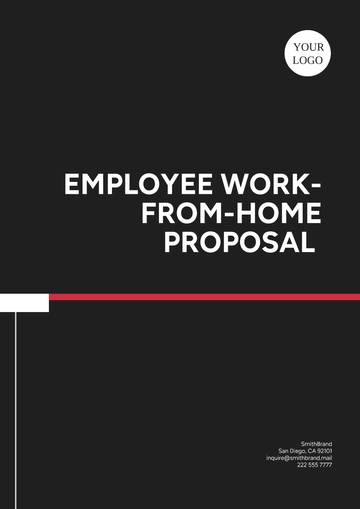
Employee Work-from-Home Proposal
Source: Template.net
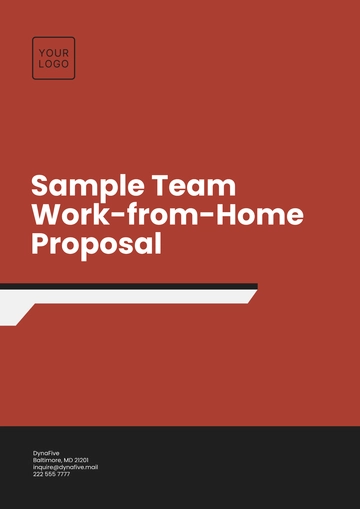
Sample Team Work-from-Home Proposal
Source: Template.net
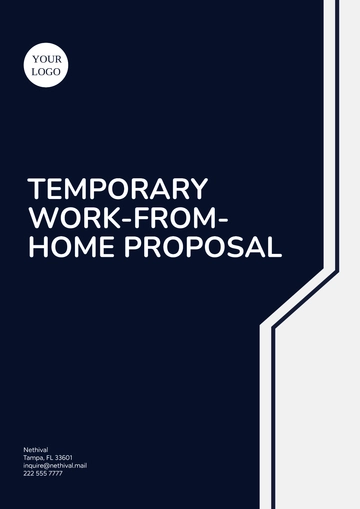
Temporary Work-from-Home Proposal
Source: Template.net
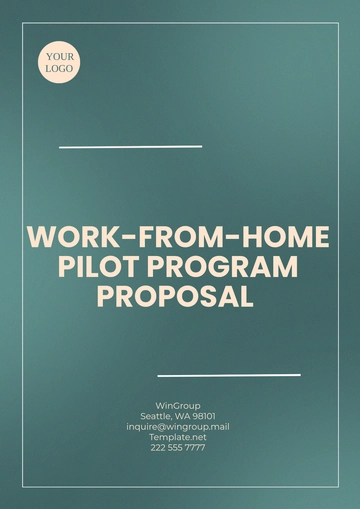
Work-from-Home Pilot Program Proposal
Source: Template.net
Work-from-Home Communication Strategy Proposal
Source: Template.net
