A virginia business bill Template can refer to several different kinds of business paperwork, and that distinction matters before a document is prepared. In everyday business language, a bill may mean an invoice that requests payment for goods or services. In a private transaction, however, the intended document may be a bill of sale that records the transfer of ownership of property. Virginia uses different documentation processes depending on what is being transferred, so the safest approach is to identify the transaction first and then choose the document structure that matches it.
For vehicle transactions, Virginia Department of Motor Vehicles guidance is especially important. The DMV explains that a bill of sale can serve as proof of purchase price, while the signed vehicle title remains central to the ownership transfer. Virginia DMV also states that a handwritten bill of sale signed by the seller and purchaser can be accepted as proof of purchase price in applicable circumstances. For older vehicles, a Vehicle Price Certification, Form SUT 1, can be used when required conditions apply; for newer vehicles, Form SUT 1A has its own purchase-price certification requirements.
That is why a useful Virginia document should not simply imitate a generic form from another state. A practical template should make the parties, transaction date, property, identifying information, price, payment terms, signatures, and relevant disclosures easy to understand. This article explains how to structure such a document, how vehicle and boat transactions differ, what information belongs in a business-oriented version, and how to avoid treating a private template as though it were an official Virginia government form.

What a Virginia business bill Template should accomplish
The first purpose of a well-constructed transaction document is clarity. A reader should be able to determine who sold the property, who purchased it, what property changed hands, when the transaction occurred, and what consideration was agreed upon. If the property has a serial number, VIN, HIN, registration number, title number, or another identifying reference, that information should be recorded carefully rather than abbreviated or guessed.
The second purpose is record keeping. Businesses frequently need documentation that can be matched against accounting records, payment records, inventory records, insurance files, tax documentation, or internal asset registers. A document that identifies the property precisely is much easier to reconcile later than a simple receipt saying that “equipment” or a “vehicle” was sold. The more valuable or distinctive the asset, the more useful detailed identification becomes.
The third purpose is to distinguish evidence of a transaction from an ownership certificate. A bill of sale is not automatically a substitute for a title, registration certificate, lien release, or government filing. For Virginia vehicles, DMV instructions specifically emphasize the title and related titling paperwork. A business should therefore treat the bill of sale as one part of the transaction record rather than assuming that signing it alone completes every legal or administrative step.

Bill of sale versus business invoice
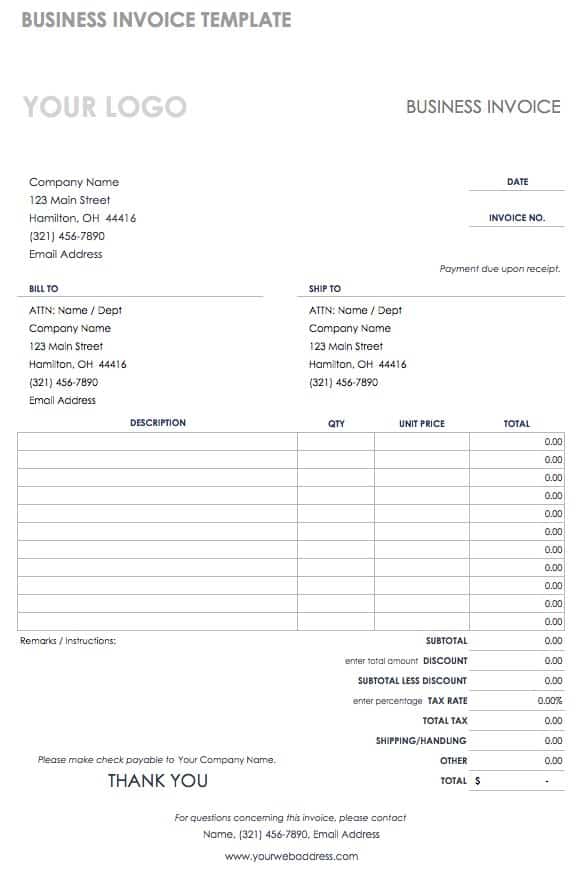
An invoice and a bill of sale can appear similar because both can contain names, dates, descriptions, quantities, prices, and payment information. Their practical purposes are different. An invoice normally communicates an amount owed for goods or services, while a bill of sale documents a completed or agreed transfer of personal property. A business may use both documents in the same transaction when an asset is sold and payment must also be documented through its accounting system.
For example, a Virginia company selling a used piece of machinery might prepare a bill of sale describing the machinery, serial number, purchase price, condition, and signatures. Its accounting department might also maintain an invoice or receipt showing how the buyer paid. The two records can complement each other without being treated as identical documents.
This distinction is particularly useful when researching a virginia business bill template because search results often mix business invoices with bills of sale. If the intended transaction concerns a car, boat, trailer, equipment, or other personal property changing ownership, a bill of sale structure is generally more relevant. If the intended purpose is simply to request payment from a customer, an invoice structure is usually the better starting point.
Core sections to include
Parties and transaction date
The document should begin by identifying the seller and buyer using their legal names. For businesses, the business name should be stated consistently with the entity’s records, and the document can also identify an authorized representative when appropriate. Addresses and contact information help distinguish parties with similar names and provide a useful record for later correspondence.
The date should be stated clearly rather than hidden in a sentence. If the transaction involves delivery on a different date from signing, those dates can be separated. A document may also identify the county or city where the transaction occurred when that information is useful for the parties’ records, although a generic template should not imply that a particular locality is legally required unless that requirement has been verified.
Where a business is selling an asset, the document should also establish whether the business is acting as owner, dealer, agent, consignor, or another type of party. Dealer transactions can involve additional Virginia requirements. For example, Virginia law specifies information that must appear in a motor vehicle dealer’s buyer’s order, including buyer information, sale date, dealer information, vehicle identification, sale price, taxes and fees, and the net balance due.

Property description and identifying numbers
The property description should be specific enough that another person can identify the exact asset later. For a vehicle, that commonly means year, make, model, body type, VIN, color, and odometer information. For equipment, the description can include manufacturer, model, serial number, operating hours, accessories, and condition. For ordinary personal property, a detailed description and serial number, when one exists, can be sufficient.
A strong template avoids vague descriptions such as “used equipment” or “car.” If several similar assets are being transferred, the document should distinguish each item separately. Businesses should consider matching the description against their asset register, title, registration record, purchase invoice, or other ownership record before the transaction is finalized.
For a boat, identifying information changes. A useful Virginia watercraft document can include the vessel make, model, year, Hull Identification Number, length, registration information, and relevant motor or trailer details. Virginia Department of Wildlife Resources materials explain that watercraft titling and registration involve specific forms, and its transfer procedures can require a bill of sale or other evidence of ownership depending on the circumstances.

Purchase price and payment terms
The purchase price should be stated unambiguously. If taxes are included, excluded, or separately calculated, the document should say so rather than leaving the reader to infer the treatment. Payment method can also be identified, especially when the transaction involves a deposit, installment arrangement, trade-in, cashier’s check, electronic payment, or another nonstandard method.
A business transaction may also require a statement about when ownership or possession changes hands. If the buyer pays a deposit but does not receive the property until a later date, those events should not be described as though they occurred simultaneously. A carefully drafted document separates payment obligations, delivery, inspection, and transfer of possession.
For Virginia vehicles, the sale price has particular administrative importance because DMV uses proof of purchase price when calculating applicable Sales and Use Tax in relevant transactions. The DMV explains that the sale price entered by a seller on a title can serve as a bill of sale, while additional proof may be required in particular circumstances. A separate template should therefore be consistent with the price recorded in the official title paperwork.

Vehicle transactions in Virginia
A virginia bill of sale template pdf can be useful as a record, but it should not be confused with an official DMV form. Virginia DMV states that a bill of sale may be a handwritten statement signed by the seller and purchaser, or other proof of purchase price, depending on the transaction. This means a professionally formatted template can be convenient while still needing to work alongside the title and other required documents.
A buyer should compare the vehicle identification information on the bill of sale with the title before signing. The VIN is particularly important because a single incorrect character can create a mismatch between documents. The year, make, model, body style, sale date, sale price, and odometer information should also be reviewed carefully. If a lien exists, the parties should address it through the appropriate title and lien procedures rather than relying solely on a sentence in a private bill of sale.
Virginia DMV’s current vehicle guidance states that the seller must correctly endorse the title and deliver it to the purchaser. The agency also explains that proof of purchase price can include a buyer’s order, bill of sale, or seller’s declared sale price on the title. For certain older vehicles, a Vehicle Price Certification may be appropriate; for vehicles five model years old or newer, Form SUT 1A has a separate affidavit process and notarization requirement.

Choosing among common vehicle document formats
Readers searching for a virginia bill of sale template free resource should first decide whether they need a generic transaction record or documentation designed around a specific vehicle process. A generic template can capture the parties, vehicle details, price, payment method, condition, and signatures. It should not, however, be described as an official Virginia DMV form unless it actually is one.
A search for a virginia bill of sale template free download often produces private websites offering PDF or Word versions. Those resources can be useful as examples of layout and field selection, but the reader should verify the current DMV requirements independently. The Virginia DMV forms library identifies official forms by number and name, including VSA 17A, VSA 14, VSA 5, SUT 1A, and other vehicle-related documents.
Someone searching for a virginia bill of sale template word may prefer an editable document because business transactions frequently require custom clauses, company information, or additional asset fields. The important consideration is not the software format itself. The completed document must accurately reflect the actual transaction and remain consistent with any government forms, titles, registration records, or tax documentation that accompany the sale.

What to include in a Virginia bill of sale for a car
A virginia bill of sale for car template should make the vehicle easy to identify. At minimum, a practical version can provide fields for the seller, buyer, sale date, year, make, model, body type, VIN, color, odometer reading, sale price, payment method, and signatures. Additional fields can address known defects, included accessories, trade-in terms, warranties, liens, or delivery arrangements where appropriate.
The condition statement deserves careful attention. A document can state that a vehicle is being sold in its existing condition, but the wording should accurately reflect the actual agreement. A seller should not use an “as-is” clause as a substitute for complying with disclosure duties or specific representations already made to the buyer. Similarly, a buyer should read every condition and warranty provision before signing.
The completed record should be retained by both parties. A business seller should normally preserve it with its asset-disposal or accounting records, while the buyer should retain it with title and registration paperwork. Keeping consistent copies can be valuable if the parties later need to establish the sale date, sale price, vehicle identity, or agreed condition.

Boat and watercraft transactions
A virginia boat bill of sale free template search can lead to generic watercraft forms, but Virginia does not use a single universal private-party bill of sale for every boat transaction. Virginia Department of Wildlife Resources provides boating forms for registration, titling, and special ownership situations. The appropriate paperwork depends on whether the boat has previously been titled or registered and whether the seller can provide the existing ownership documentation.
A virginia bill of sale boat template should therefore provide fields that are meaningful for a vessel. The Hull Identification Number is especially important. The document can also identify the manufacturer, model, year, length, registration number, motor information, trailer information, purchase price, sale date, and signatures. If the transaction includes a trailer or separate motor, the parties should make clear whether those items are included in the sale.
For buyers who are preparing a virginia boat bill of sale free template, it is sensible to compare the completed document with the DWR’s current registration and titling instructions. DWR provides a specific application for a Watercraft Certificate of Title and Certificate of Number. Its forms also address circumstances where a title or bill of sale is unavailable. A private template should support those processes rather than being presented as a replacement for them.

General personal property and business assets
A free bill of sale virginia template may also be used as a starting point for general personal property, but the asset description should be adapted to the property. A piece of machinery may require a serial number and operating hours. Electronics may need model and serial numbers. Furniture may need a detailed description and quantity. Inventory may require multiple line items or an attached schedule.
For business asset transfers, the seller should confirm that the person signing has authority to sell the property. If the asset is subject to a lien, lease, financing arrangement, security interest, or other claim, the document should not simply state that the property is unencumbered unless that statement is accurate. Businesses should reconcile the document with their internal ownership and accounting records before completing the transaction.
The phrase “bill of sale” also does not automatically make every transaction legally sufficient. Some assets have their own statutory title systems, registration rules, licensing procedures, or specialized transfer requirements. A private form can record the agreement while separate government or industry documents complete the formal transfer. This distinction is particularly important for titled vehicles and regulated or registered property.

How to create a practical template
Start with a clean heading that identifies the document as a bill of sale and identifies Virginia as the governing transaction context. Follow with the date and the legal names of the parties. If a business is involved, include its legal business name and identify the authorized signer. This creates a clear foundation before the document moves into property-specific details.
Next, create a property section that can be adapted to the asset. For vehicles, use VIN and odometer fields. For boats, use HIN and vessel information. For equipment, use serial number, manufacturer, model, and condition. For general property, use a detailed description and quantity. A good template uses labels that are easy to understand rather than legalistic language that obscures the information being requested.
Finish with the commercial terms. State the price, payment method, taxes when relevant, delivery or possession terms, condition, warranties or disclaimers that the parties actually agree to, and signatures. Provide enough room for names and dates to be legible. If the transaction has unusual conditions, a separate attachment or schedule may be clearer than squeezing every term into a single page.

Common mistakes to avoid
One frequent mistake is treating an unofficial template as though it were issued by the Virginia government. A private website may provide a useful sample, but its layout does not become an official government form merely because it contains the word Virginia. Official DMV forms should be obtained from the Virginia DMV forms library, while boating forms should be checked against current Virginia DWR materials.
Another mistake is allowing inconsistent information across documents. If the bill of sale says one purchase price and the title says another, the buyer may face questions when completing titling or tax paperwork. The same problem can arise with a VIN, date, odometer reading, or buyer name. Reviewing every document together before signing is more effective than correcting discrepancies later.
A third mistake is using a generic document when the transaction has special circumstances. Dealer sales, vehicles with liens, older vehicles, newer vehicles requiring particular price documentation, boats without prior registration, and transfers where ownership records are missing can involve additional procedures. A generic template should be treated as a record of the agreement, not as a guarantee that every regulatory requirement has been satisfied.

Practical Solution
The most practical way to use a virginia business bill Template is to build a master document with a common transaction section and then create asset-specific versions. The common section should identify the parties, transaction date, price, payment terms, signatures, and general conditions. The vehicle version should add VIN, odometer, title, and vehicle-specific fields. The boat version should add HIN, registration, vessel, motor, and trailer information. The equipment version should add serial number, model, manufacturer, operating condition, and included accessories.
Before signing, compare every identifying number and price against the source records. For a Virginia vehicle, compare the bill of sale with the title and the appropriate DMV paperwork. For a boat, compare the bill of sale with the existing registration or title and current DWR requirements. For a business asset, compare the description with the company’s asset register, purchase records, lien information, and authorization records. This simple reconciliation step can prevent many administrative problems.
Finally, keep a signed copy with the organization’s permanent transaction records and give the other party a complete copy. If the document supports a government filing, make sure the filing uses the current official form where one is required. When a transaction is unusually valuable, disputed, financed, cross-jurisdictional, or legally complex, professional legal or tax advice can be appropriate. The goal of a template is to make the transaction understandable and well documented, not to replace specialized advice.

When a PDF or Word format makes sense
A virginia bill of sale template pdf is useful when the parties want a stable record that preserves the appearance of the completed document. PDF is particularly practical for signed records because the final layout is less likely to change when the file is opened on another device. It is also convenient when a completed document needs to be printed or retained as part of a transaction archive.
An editable Word version can be more practical during preparation because businesses may need to insert company details, modify asset fields, add transaction-specific clauses, or create an attachment. The editable version should be reviewed carefully before conversion to a final signed record. Formatting changes can accidentally remove fields or alter numbers, so the final version should be checked from beginning to end.
Regardless of format, the file type does not determine whether a document satisfies a Virginia requirement. The substance of the transaction and the applicable official procedures matter more than whether the record was created in Word, PDF, or on paper. A professionally designed template is valuable because it improves organization, but accuracy remains the most important quality.

Automobile documentation and supporting records
An automobile bill of sale virginia template should be treated as part of a larger vehicle transaction file. The seller’s signed title, purchase-price evidence, registration paperwork, insurance documentation, and any applicable inspection or tax documents can all be relevant. The bill of sale provides a clear narrative of the transaction, but it should not be expected to replace the documents that Virginia DMV specifically identifies for titling and registration.
Virginia DMV guidance says that sellers should enter the sale date and sale price when transferring a vehicle title. The agency also explains that a bill of sale can be handwritten and signed by both parties. This is useful because it shows that a private transaction does not necessarily depend on a highly stylized commercial form. What matters is that the record accurately identifies the transaction and can support the purchase-price information when required.
A business that regularly buys or sells automobiles should standardize its internal process. Staff can use the same checklist for every transaction, verify VIN information against the title, confirm the sale price, record the date, check lien status, retain signed documents, and direct buyers or sellers to the appropriate DMV process. Standardization reduces the risk that one transaction will omit a critical field that another transaction contains.

Using examples without treating them as official forms
Examples are useful because they show how information can be arranged on a page. A vehicle example can demonstrate the relationship between buyer information, seller information, vehicle identification, price, and signatures. A boat example can demonstrate how HIN and registration fields differ from a car’s VIN and title information. An equipment example can demonstrate how serial numbers and condition descriptions can be incorporated into a business transaction record.
Examples should not, however, be copied blindly. A form created for another state may contain fields or legal statements that do not apply in Virginia. Even a Virginia-focused private template may use wording that does not match current government procedures. The safest approach is to use examples for structure and readability while verifying substantive requirements through Virginia’s current official agencies.
This is especially important when a search phrase combines several concepts, such as business billing, vehicle sales, boat transfers, PDF records, and editable document formats. Search results can make these subjects look interchangeable when they are not. A careful reader should first identify the asset and transaction type, then select the corresponding document structure.

Reference Examples
The visual references below show different ways a Virginia transaction document can organize parties, property details, prices, conditions, and signatures. A virginia business bill Template is best understood as a document structure rather than a single universally prescribed form. The examples demonstrate why the correct fields depend on what is being transferred. Vehicle paperwork needs identifiers such as a VIN and odometer information; watercraft records use vessel-specific identifiers; and general business assets may require serial numbers, descriptions, and condition statements.
These examples also illustrate an important distinction between design and legal requirements. A polished layout can make a transaction easier to review, but visual appearance does not establish official status. Readers can use the references to compare organization, field placement, signature areas, and descriptions while checking Virginia DMV or DWR requirements separately when a government filing or registration is involved.

Virginia Moped and Scooter Bill of Sale
Source: Template.net

Virginia Moped and Scooter Bill of Sale in Word Format
Source: Template.net

Virginia Moped and Scooter Bill of Sale Document Presentation
Source: Template.net

Virginia Horse Bill of Sale Features
Source: Template.net

Virginia Horse Bill of Sale Details
Source: Template.net

Virginia Personal Property Bill of Sale in Google Docs
Source: Template.net
