A psychotherapy appointments doctor note Template is generally used to document that a person attended a mental health appointment and, when clinically appropriate, to communicate limited information about attendance, work restrictions, or an accommodation. The most important distinction is between a note that simply confirms attendance and a clinical progress note that records the substance of psychotherapy. These documents serve different purposes and should not be confused. A workplace attendance note normally needs much less information than a therapist’s clinical record.
People searching for this type of document often want something they can adapt for an employer, school, insurer, human-resources department, or another organization. The right format depends on why the documentation is needed, who is issuing it, and what information the recipient legitimately requires. A well-designed note should identify the treating professional or practice, the appointment date, and the relevant functional information without unnecessarily exposing sensitive mental-health details.
There is also an important privacy consideration. In the United States, the U.S. Department of Health and Human Services distinguishes separately maintained psychotherapy notes from other information in a medical record. Those private psychotherapy notes receive special HIPAA protections, while information such as treatment plans, diagnosis summaries, functional status, and session timing may belong in the broader medical record. A workplace attendance note should therefore never simply reproduce a therapist’s private process notes. The goal is usually to provide the minimum relevant documentation for the stated purpose.

What a psychotherapy appointment note actually does
A psychotherapy appointment note can perform several different functions. The simplest version confirms that an individual was seen by a qualified professional on a particular date and, if necessary, indicates the approximate appointment period. A more detailed medical statement may address whether the person’s health affects their ability to work or whether a temporary adjustment is clinically appropriate. The document should be written by, or issued with the authorization of, the relevant healthcare professional rather than presented as a self-created medical certification.
For an employer, the distinction between attendance and medical incapacity matters. Someone may need to leave work for a 50-minute therapy session without being medically unable to work for the rest of the day. In that situation, a short attendance confirmation can be more appropriate than a statement declaring the person unfit for work. Conversely, a clinician who determines that a health condition affects work capacity may need to provide more substantive medical documentation under the rules applicable to the jurisdiction and employment arrangement.
The wording should therefore match the actual clinical assessment. A note should not claim that a patient was medically unable to work simply because they attended psychotherapy. It should not invent restrictions, dates, diagnoses, or treatment requirements. If the purpose is only to establish that the person attended an appointment, a concise confirmation is often the clearest approach.

A useful document can also state that the information is being supplied for verification purposes and that additional clinical information is not included because it is not necessary for the recipient. That approach helps reduce unnecessary disclosure. The U.S. Equal Employment Opportunity Commission advises that employers seeking medical documentation for workplace accommodations should generally receive information sufficient to establish the relevant condition or limitation and explain why an accommodation is needed, rather than an employee’s entire medical record.
Psychotherapy appointment note versus psychotherapy clinical notes
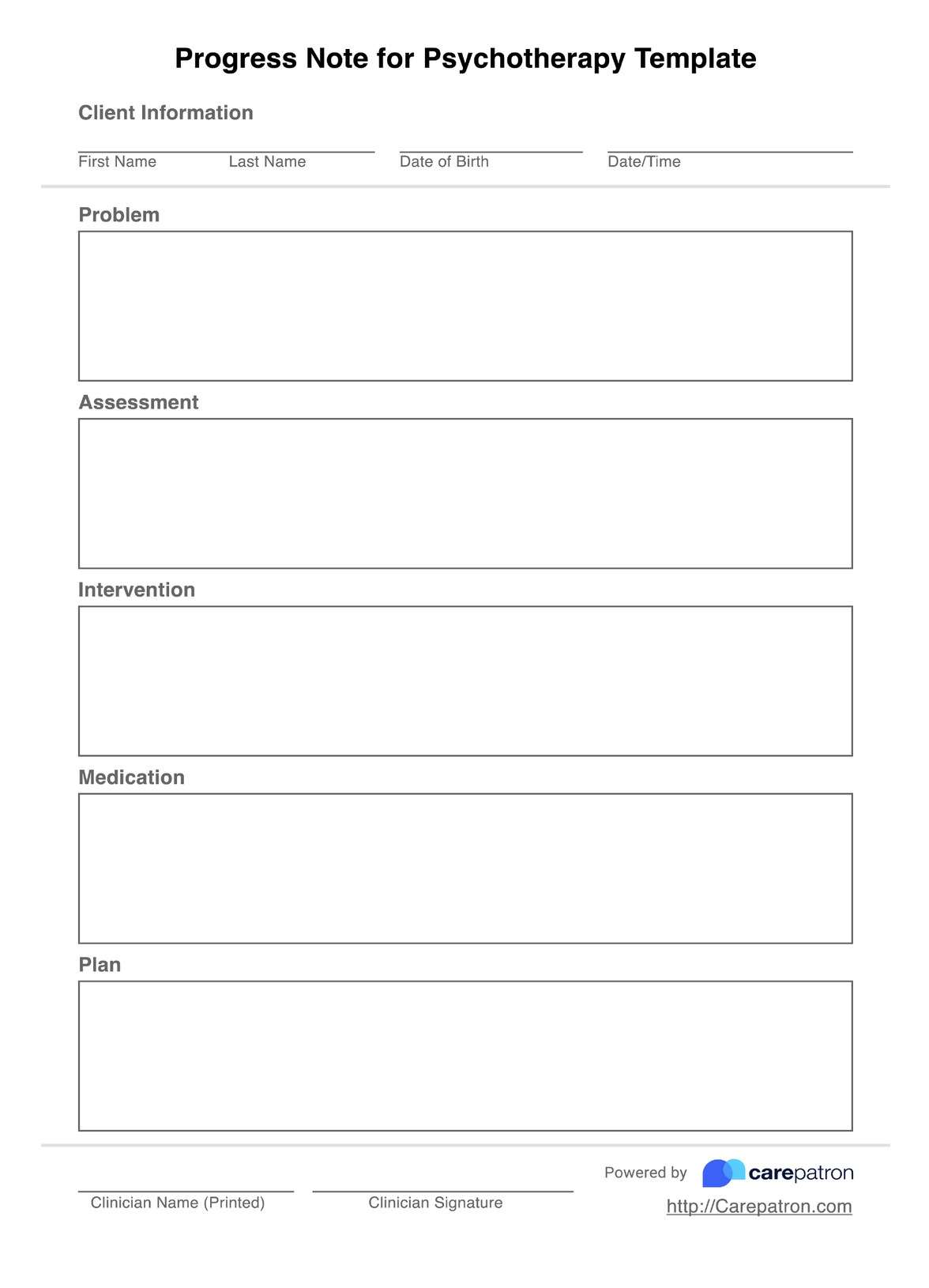
A common source of confusion is the word “note.” A psychotherapy progress note is a clinical record describing an encounter, while an appointment confirmation is primarily administrative. A progress note may contain the presenting concern, relevant observations, interventions, response to treatment, progress toward goals, risk information when appropriate, and the plan for continued care. It is intended for clinical documentation and may be part of the patient’s medical record.
Separately maintained psychotherapy process notes are narrower under HIPAA. HHS states that psychotherapy notes are notes recorded by a mental health professional that document or analyze the contents of a private counseling conversation and are maintained separately from the rest of the medical record. They do not include ordinary medical-record information such as treatment-plan summaries, diagnosis summaries, functional status, or counseling session start and stop times. That distinction is important when designing a document for an employer or other third party.
A workplace note should therefore avoid copying clinical narrative merely because the information is available to the therapist. Details about trauma history, family relationships, medication discussions, symptoms, diagnostic reasoning, or therapeutic techniques are usually unnecessary for an attendance confirmation. A better structure is to separate the clinical record from the external verification letter and disclose only what the recipient needs.

Essential sections of a psychotherapy appointment doctor note
A strong template starts with the issuing practice. The header can contain the clinician’s name, professional credentials, practice name, address, telephone number, and other contact information that the practice routinely uses. Including these details helps the recipient distinguish an authentic professional statement from an informal personal letter. A professional license identifier may be included where appropriate, but it should not be invented or added merely to make a document appear official.
The next section should identify the patient accurately and minimally. Depending on the purpose, this could include the patient’s full name and date of birth, or simply the name and another appropriate identifier. The appointment details can then specify the date and, when useful, the scheduled time or attendance period. If the document concerns several appointments, list only the dates that have actually occurred or have been clinically authorized for the stated purpose.
The final core component is the verification statement. A simple example would say that the named individual attended a scheduled psychotherapy appointment on a stated date and that the statement is provided at the patient’s request. If work restrictions or accommodations are relevant, those should be described by the qualified professional based on an actual assessment. The document should then include the provider’s signature, credentials, and date of issuance.

Patient identification
Use the smallest amount of identifying information that will reliably match the person to the relevant record. A full name is usually more useful than a nickname. A date of birth may help prevent confusion where several people have similar names, but it may not be necessary for every recipient. A patient or record number should generally be included only when the receiving organization uses one and the patient has an appropriate reason to provide it.
Appointment information
The appointment section should be factual. Useful fields include date, approximate start and end time when necessary, appointment type, and whether the encounter occurred in person or through telehealth. Avoid recording sensitive session content. If the recipient only needs confirmation of attendance, the exact therapeutic modality may not be necessary.
Work or school implications
If the purpose is to support an absence or accommodation, describe the functional implication rather than unnecessary clinical detail. For example, a clinician might state that the patient attended a medical appointment during a specified period or that an accommodation is recommended based on the clinician’s assessment. The precise language depends on the law, workplace policy, educational policy, and professional scope applicable to the situation.

Choosing between a short attendance note and a detailed medical statement
A short attendance note is appropriate when the recipient only needs proof that an appointment occurred. This is often the least intrusive format. It can contain the practice identity, patient’s name, date of attendance, appointment period if relevant, a short confirmation statement, and the provider’s authentication. It does not need to describe the patient’s symptoms or diagnosis simply because the appointment involved psychotherapy.
A detailed medical statement is different. It may be requested when an employee is seeking a reasonable accommodation, extended leave, a modified schedule, or another workplace adjustment. In the United States, the EEOC explains that a mental-health provider may be asked to document the condition or functional limitation and explain how a requested accommodation would address it. The provider should disclose information only when the patient has requested or authorized the disclosure and should avoid supplying irrelevant medical records.
When a recipient asks for more information than seems necessary, the patient can ask what specific information is required and why. A therapist or other healthcare professional can then determine what can appropriately be disclosed. This is especially important with psychotherapy because the content of sessions can be highly sensitive. A template should facilitate careful disclosure, not encourage oversharing.

Using a psychotherapy appointments doctor note template for work
Search intent around a psychotherapy appointments doctor note template for work usually centers on proving that an employee had a legitimate healthcare appointment. The safest approach is to begin with the employer’s actual policy. Some workplaces accept a simple appointment confirmation, while others may require a particular medical certification or accommodation form. A generic template should never be represented as an employer-required document unless that requirement has been verified.
For ordinary attendance verification, the statement can remain brief. A suitable example, clearly marked as a fictional illustration, would be: “This letter confirms that [Patient Name] attended a scheduled psychotherapy appointment at [Practice Name] on [Date]. The appointment occurred during [Time Period]. This statement is provided at the patient’s request.” The clinician would then authenticate the statement. This example is not an official form and should be adapted by the treating professional.
When the employee needs an accommodation rather than simple attendance verification, the focus changes. The documentation may need to explain a functional limitation and the relationship between the limitation and the requested adjustment. The EEOC specifically identifies scheduling work around medical appointments and time off for treatment as examples of possible accommodations. The exact accommodation is not automatically guaranteed; it is considered through the applicable workplace process.

A useful psychotherapy appointments doctor note template with a verification statement, provider information, appointment date, and signature field can therefore be more appropriate than a long clinical report. If an employer needs functional limitations, those should be added by the treating professional rather than copied from a generic example.
California considerations
People searching for a psychotherapy appointments doctor note template california should be cautious about assuming that one generic form satisfies every California workplace situation. California has multiple leave and employment-protection frameworks, and the applicable documentation can depend on the type of leave, employee eligibility, employer size, the reason for leave, and whether an accommodation is being requested.
The California Civil Rights Department explains that qualifying workers may have job-protected leave for certain serious health conditions and provides certification materials for applicable family and medical leave programs. California rules also contain confidentiality protections for medical information. Consequently, a generic attendance letter should not be described as an official California certification unless it actually corresponds to the applicable program and has been issued by the appropriate healthcare professional.
For a routine therapy appointment, an employer may only need evidence that the appointment occurred. For a protected leave or accommodation request, additional certification may be required. The practical step is to identify the specific leave or accommodation process first, then ask the healthcare provider to complete the relevant documentation. Do not alter a clinician’s statement yourself or create a signature, license number, diagnosis, or medical restriction.

UK considerations and fit notes
Searches for a psychotherapy appointments doctor note template uk can be misleading because the United Kingdom uses the specific concept of a fit note for certain work-and-health situations. NHS guidance states that a fit note may be needed when someone is unwell and cannot work for more than seven days, while shorter periods can generally be self-certified. A fit note is based on a healthcare professional’s assessment of fitness for work rather than merely proof that an appointment occurred.
GOV.UK guidance explains that fit notes can state that someone is not fit for work or may be fit for work with support. The guidance also states that the professional completing the fit note assesses how the health condition affects fitness for work. Private healthcare professionals may produce other forms of medical evidence, but whether an employer accepts those forms can depend on the employer’s agreement.
This means a generic psychotherapy appointment letter should not be presented as a substitute for a UK fit note when a fit note is actually required. For a simple therapy attendance record, a private practice may issue its own confirmation if appropriate. For work incapacity, the patient should follow the relevant NHS, employer, or healthcare-professional process.

PDF, Word, printable, and editable formats
A psychotherapy appointments doctor note template pdf is useful when the finished document needs a stable page layout that can be reviewed or printed consistently. PDF is particularly practical for a finalized clinician-signed statement because the recipient can view the same basic page structure across devices. The important point is that the file format does not make a document medically valid; the authenticity comes from the qualified professional and the accuracy of the information.
A psychotherapy appointments doctor note template word format can be convenient during drafting because text and fields are easier to adjust. However, editable documents should be handled carefully when they contain protected health information. Once the clinician has finalized the statement, the practice should use its normal record-management and authentication procedures rather than relying on an informal edited copy.
People also search for a psychotherapy appointments doctor note template free printable or a psychotherapy appointments doctor note template printable because they want a straightforward paper format. A printable design should prioritize readability: a clear heading, adequate writing space, identifiable provider information, appointment date, concise statement, and signature area. Decorative elements should not distract from the document’s purpose.

A search for a psychotherapy appointments doctor note template free pdf may also produce many generic medical forms. Those examples can help illustrate document structure, but they should not automatically be treated as clinically or legally suitable. A template should be reviewed against the recipient’s actual requirements before it is used for an official purpose.
The phrase psychotherapy appointments doctor note template free download is common in searches for ready-made documents, but availability of a document online does not establish that it is authentic, compliant, or accepted by a particular employer. Similarly, a psychotherapy appointments doctor note template download result may simply be a blank design. The responsible approach is to use such examples as formatting references and have the healthcare provider issue the final medical statement.

What should not appear in the document
A psychotherapy appointment confirmation should normally avoid detailed session content. There is little reason for an employer to know what the patient discussed with a therapist, which therapeutic method was used, what family circumstances were discussed, or what symptoms were explored unless a specific lawful process genuinely requires such information. Limiting disclosure reduces privacy risk and keeps the document focused.
Do not include invented diagnoses, fabricated treatment dates, copied signatures, false provider credentials, or statements that the clinician has not personally assessed. A template is a structure, not evidence. The final document becomes meaningful only when its contents accurately reflect an actual healthcare encounter and are authenticated through the provider’s normal process.
It is also unwise to alter an issued medical statement after it has been signed. If an employer rejects the document because a field is missing, ask the issuing practice to correct or reissue it. A patient should not edit clinical wording, change dates, add restrictions, or insert a signature on behalf of a healthcare professional.

How to make the wording privacy-conscious
Privacy-conscious wording begins with the recipient’s legitimate purpose. If the recipient needs attendance verification, say that the patient attended an appointment. If the recipient needs a work accommodation, describe the relevant functional limitation and recommended adjustment rather than reproducing the entire clinical history. If a specific statutory certification is required, use the official process rather than improvising a replacement.
Neutral wording is usually preferable to dramatic or overly specific wording. For example, “The patient attended a scheduled mental health appointment on [date]” is substantially different from “The patient was treated for [diagnosis] and required psychotherapy because of [detailed personal history].” The second statement reveals much more information than the first and may create unnecessary privacy concerns.
The same principle applies to appointment duration. If an employer only needs to verify an absence period, the provider can state the relevant appointment window when appropriate. If exact times are unnecessary, there is little reason to add them. The document should contain enough information to answer the recipient’s question and no more.

Practical examples of suitable formats
A short attendance statement can be structured with five elements: practice heading, patient name, date of appointment, confirmation statement, and clinician authentication. This is the most compact format when the only issue is proving attendance. It is particularly useful when the patient has already communicated with the employer about taking time away for a scheduled healthcare visit.
A work-accommodation statement can be more detailed. It may identify that the patient has a health-related limitation, explain the functional effect relevant to work, and recommend a particular adjustment. The healthcare professional should only make statements supported by their assessment. The patient and provider should also understand that accommodation processes may require additional forms or interactive discussion.
A multi-appointment statement can list several actual dates when a provider has agreed to confirm them. The document should distinguish completed appointments from future appointments and should avoid claiming attendance before the appointment takes place. If future treatment is being recommended, it is better to describe it as scheduled or planned rather than completed.

Common mistakes when using a template
One mistake is treating every doctor-note format as interchangeable. A general medical excuse letter, psychotherapy progress note, fit note, disability certification, and appointment confirmation can have different purposes. Choosing a visually attractive document without checking its function can result in a form that does not answer the recipient’s actual question.
Another mistake is providing excessive mental-health information. The fact that an appointment involved psychotherapy does not mean that an employer needs the content of the session. A concise statement can often establish attendance without disclosing a diagnosis. When an accommodation is involved, functional information is usually more useful than an extensive clinical narrative.
A third mistake is assuming that an online template has official status. Generic forms are examples of layout and wording. They are not automatically issued by a healthcare practice, employer, government agency, or licensing authority. If an organization provides its own required form, that form should normally take precedence over a generic design.

How to evaluate a template before using it
First, identify the recipient. Is the document going to an employer, school, insurer, benefits administrator, government agency, or another healthcare professional? Each recipient may have a different purpose. A general appointment confirmation may be enough for one organization and insufficient for another.
Second, identify the claim being made. If the document only verifies attendance, keep the language limited to attendance. If it says the person could not work, the statement should be based on a clinician’s assessment. If it recommends an accommodation, the clinician should explain the relevant functional limitation and why the requested adjustment is medically appropriate.
Third, inspect the authentication fields. A credible professional document should identify the issuing practice or professional, include the date of issuance, and provide a legitimate method of verification where appropriate. Do not add a provider’s name or credential merely because a blank form contains such a field.

Practical Solution
The most practical solution is to separate the documentation task into three steps: determine the recipient’s requirement, choose the least-disclosing document that meets that requirement, and have the treating professional authenticate the final statement. For a routine psychotherapy appointment, start with a short attendance confirmation. Include the patient’s name, appointment date, practice identity, and a concise statement that the appointment occurred. Add the appointment period only when it is genuinely useful.
If the purpose is workplace accommodation, do not rely on a generic attendance letter. Ask the employer or human-resources department what accommodation process applies, then discuss the request with the treating professional. The clinician can determine whether documentation should address functional limitations, scheduling needs, time away from work, or another clinically supported adjustment. In the United States, EEOC guidance emphasizes that medical documentation for accommodation should explain the relevant limitation and how the accommodation would help, rather than simply supplying the employee’s entire medical record.
If the purpose is statutory leave, benefits, or a jurisdiction-specific fitness statement, identify the applicable official process before choosing a template. In England, for example, NHS and GOV.UK guidance distinguishes a fit note from ordinary attendance evidence. In California, different leave and accommodation frameworks may have different certification requirements. The template should therefore support the actual process rather than attempt to replace an official form.
Finally, keep the clinical record and external verification document separate. A therapist’s private process notes should not be copied into a workplace letter. The external document should contain only information that the patient has authorized the provider to disclose and that is reasonably related to the stated purpose. This approach is practical, privacy-conscious, and much easier for an employer or administrator to understand.
When a generic template should not be used
A generic template is a poor choice when an organization has supplied a required certification form. It is also inappropriate when a legal or benefits process requires a specific certification completed by a defined healthcare professional. In those situations, use the designated process and allow the treating professional to complete the relevant sections.
A generic form should also not be used to create the appearance of a medical document without professional involvement. Patients can prepare factual information for their clinician, such as the appointment date and the organization requesting verification, but the medical statement itself should come from the qualified professional. This protects both the patient and the provider from inaccurate or misleading documentation.
Finally, avoid using a generic template when the proposed wording would expose sensitive psychotherapy information unnecessarily. The strongest document is not necessarily the longest one. In many cases, a concise confirmation with accurate provider identification is more appropriate than a detailed letter containing information unrelated to attendance or functional need.

What a well-designed template looks like
Visually, the best document is simple. A clear header establishes who issued it, while a short patient-information block prevents identification errors. The appointment section should be easy to scan, and the verification statement should stand out from administrative details. There should be enough room for a professional signature and date without making the page look crowded.
For a psychotherapy-related document, visual restraint is especially useful. There is no need for photographs, decorative therapy imagery, inspirational quotations, or elaborate graphics. A professional document should look like a healthcare record or formal letter. The design should communicate authenticity through organization, not through unnecessary decoration.
Templates can also be designed for different levels of detail. A one-page attendance letter may be sufficient for a single appointment. A structured clinical progress form can support ongoing documentation inside a practice. A work-accommodation letter can focus on functional effects and recommendations. These formats should remain distinct even when they share similar visual elements.

Document security and record handling
Mental-health documentation should be treated as sensitive information. The document should be transmitted through the method normally approved by the healthcare practice or organization. Patients should avoid posting identifiable medical letters publicly or sending clinical documents to unnecessary recipients simply because an employer has requested some form of verification.
When a document is emailed, uploaded, or printed, consider who will have access to it. An employer may have specific channels for confidential medical information. The EEOC also emphasizes confidentiality for medical information associated with accommodation requests. Patients should therefore ask where medical documentation should be sent rather than automatically providing it to a supervisor or general office mailbox.
Within a clinical practice, the external letter should also be distinguishable from the patient’s psychotherapy process notes. The fact that both documents concern the same appointment does not make them interchangeable. Good record organization helps the practice identify what belongs in the clinical chart, what is a private process note, and what was created specifically for an external administrative purpose.

Final checklist before a note is issued
Before a healthcare professional issues an appointment note, verify the patient’s identifying information, appointment date, purpose of the letter, recipient, and wording. Check that every factual statement is supported by the clinical record or the professional’s actual assessment. Confirm that the document does not accidentally disclose unnecessary psychotherapy content.
If the note concerns work, check whether the recipient needs attendance verification, medical evidence, an accommodation statement, or a formal leave certification. Those categories should not be assumed to be equivalent. If the note concerns school, benefits, insurance, or another organization, verify the recipient’s requirements before selecting the final format.
The final document should then be authenticated through the provider’s ordinary procedure. A signature, date, professional identity, and legitimate practice contact information can help the recipient verify the statement. The document should never be altered after issuance without the provider’s involvement.

Reference Examples
Reference examples are useful for understanding how a psychotherapy appointments doctor note Template can be organized without treating any example as an official universal form. The strongest examples typically make the purpose obvious, identify the patient and appointment accurately, provide a concise professional statement, and leave room for provider authentication. Clinical progress forms illustrate a different purpose because they can contain structured sections for presentation, intervention, assessment, risk, and planning. Comparing these formats helps readers recognize why an appointment confirmation should remain focused and why a clinical record should not simply be repurposed for an employer.
The following visual references show different approaches to therapy documentation, medical attendance statements, progress notes, and structured clinical forms. They can help readers evaluate layout, information hierarchy, signature placement, appointment fields, and the distinction between administrative verification and clinical documentation. None of these visual examples should be treated as a government-mandated form merely because it resembles a professional document. The appropriate wording, issuing professional, privacy safeguards, and legal requirements should always be checked for the actual situation and jurisdiction.
Doctor Appointment Note Template
Source: Template.net
Mental Health Doctor’s Note Template
Source: Template.net

Doctor Progress Note Format Template
Source: Template.net

Doctor’s Note for Therapy Session Template
Source: Template.net

Blank Doctor’s Note Template
Source: Template.net
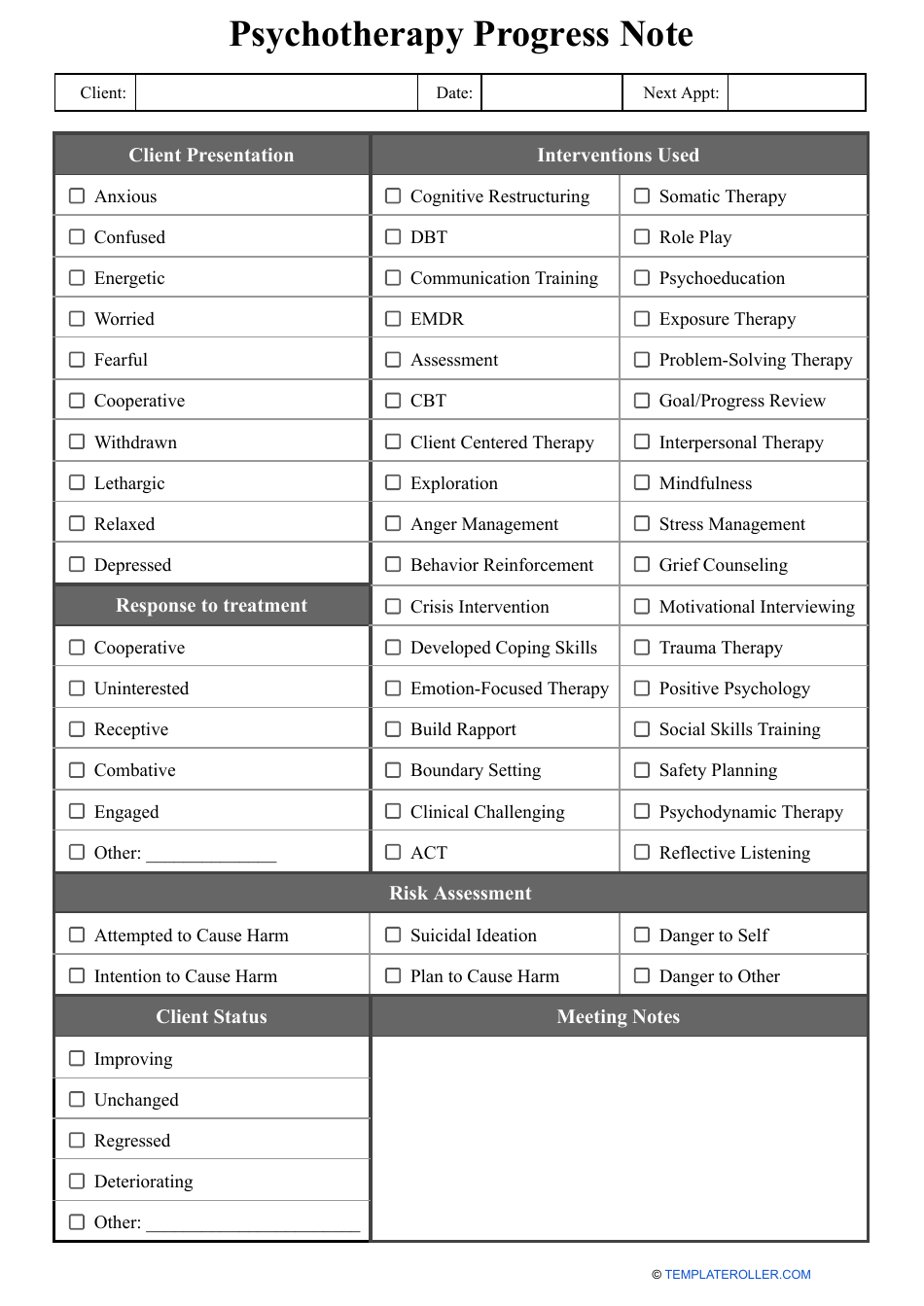
Psychotherapy Progress Note
Source: TemplateRoller
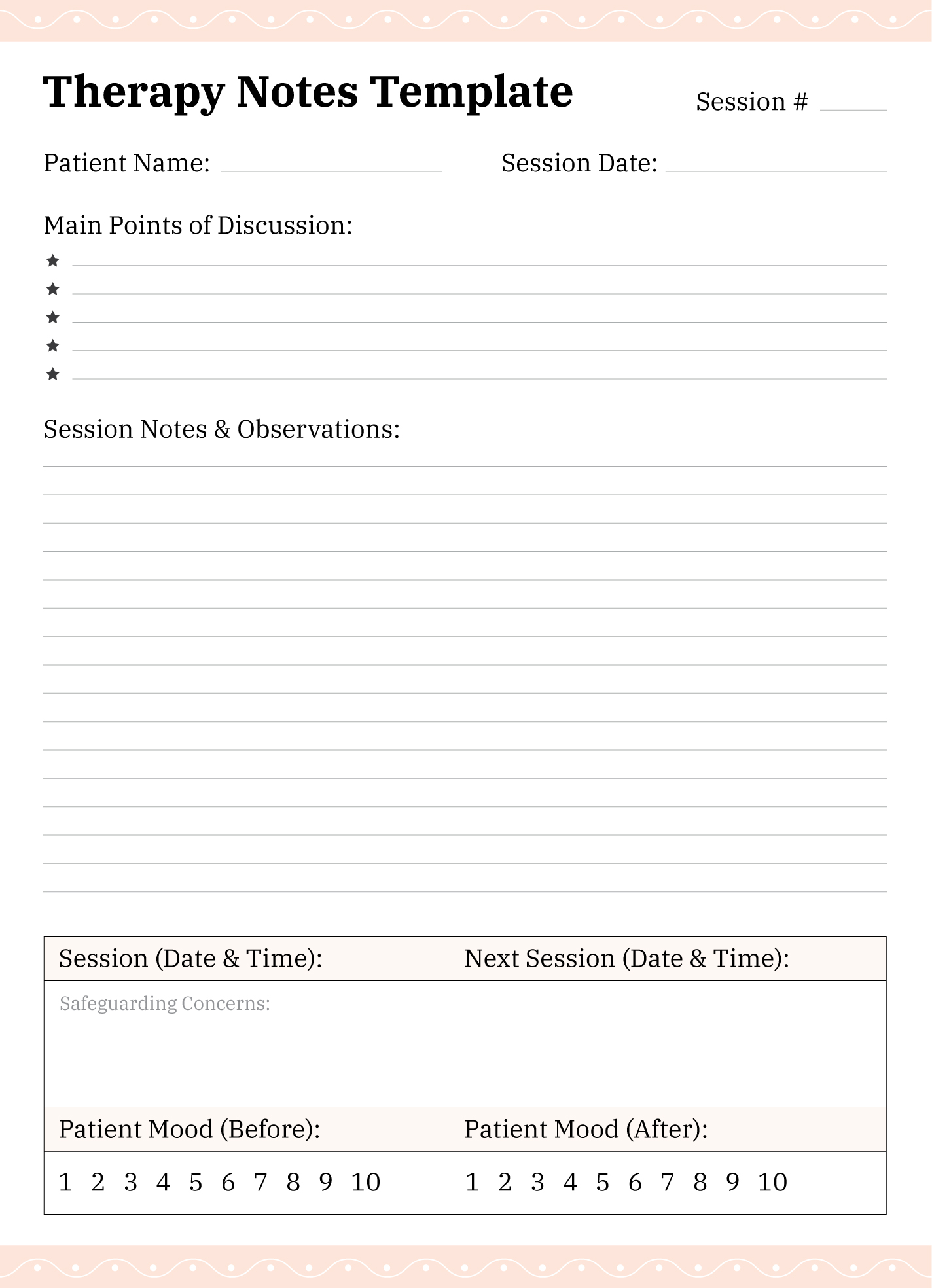
Therapy Notes Template
Source: gdoc.io
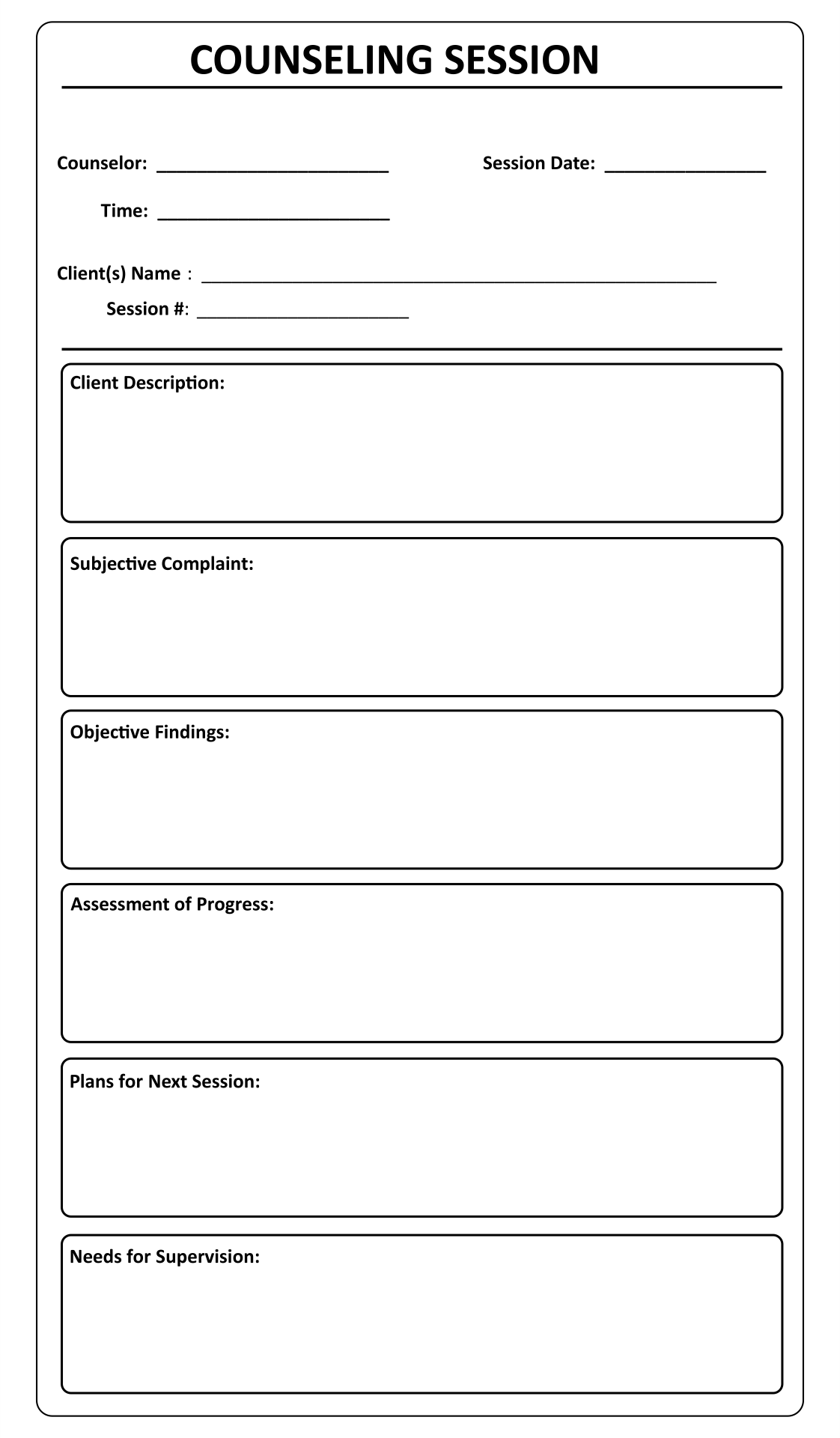
Counseling Session Notes Template
Source: Printablee
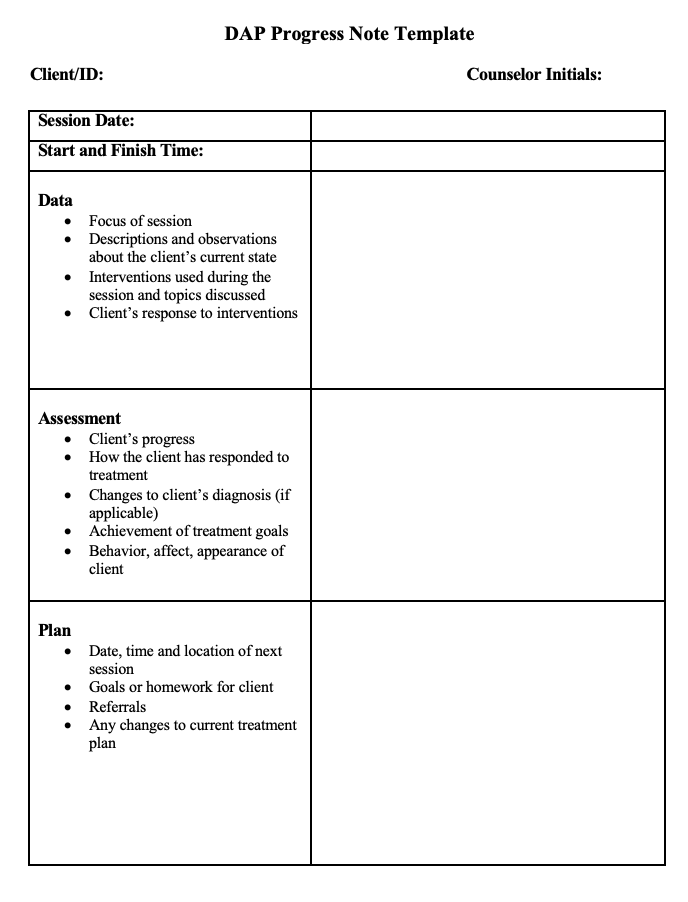
DAP Progress Note Template
Source: Template example

SOAP Note Template
Source: Plaud
