A loan approval agreement Template is useful when an approved lending arrangement needs to be documented clearly before funds are released or repayment begins. It brings the essential commercial terms into one organized record, including the parties, principal amount, interest, repayment schedule, fees, collateral, default provisions, and signatures. A well-structured document also helps separate the lender’s approval decision from the detailed contractual obligations that govern the loan after approval. A template can provide the framework, but the actual terms must be adapted to the transaction, the type of credit, and the law that applies.
Readers searching for this subject are often looking for a practical document structure rather than a generic explanation of borrowing. They may want to understand what belongs in an approval agreement, how an approval letter differs from the final contract, or how to organize repayment and security terms. The distinction matters because an approval notice can summarize a lending decision, while a signed loan agreement establishes the detailed obligations of the parties. Consumer and commercial lending rules can also impose disclosure or documentation requirements depending on the jurisdiction and loan type.
A reliable agreement should therefore be treated as a working legal document rather than a form that can be completed mechanically. The lender should confirm the approved terms, while the borrower should check the amount, cost of credit, payment dates, conditions, collateral provisions, and consequences of default. In some transactions, a promissory note, security instrument, guarantee, mortgage, or other supporting document may accompany the agreement. The precise package depends on the transaction and applicable law.
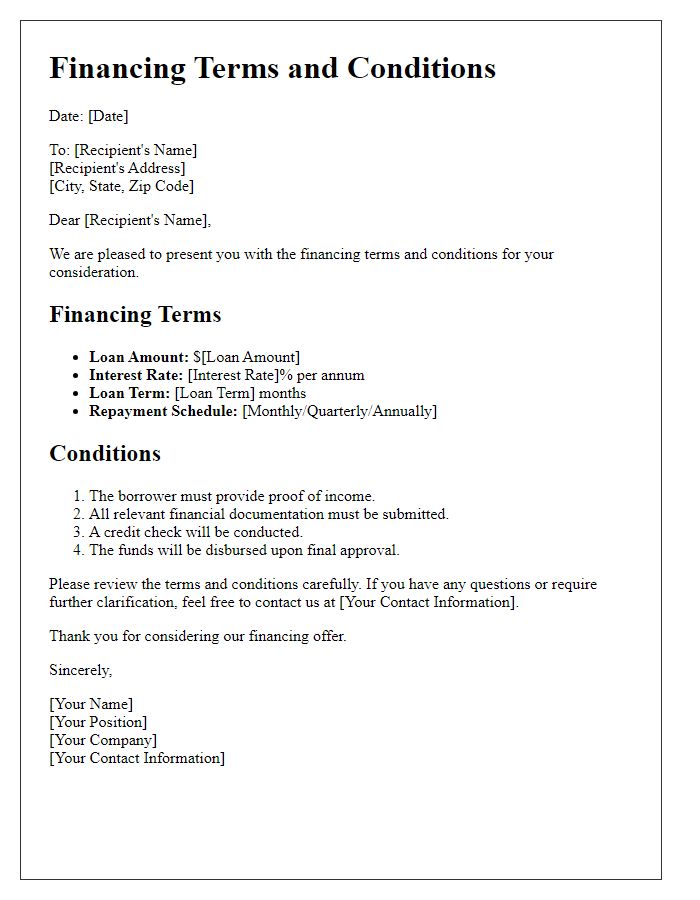
What a loan approval agreement should accomplish
The primary purpose of a loan approval agreement is to translate an approved financing arrangement into clearly stated terms. At minimum, the document should make it possible to identify who is lending, who is borrowing, how much is being advanced, when the funds become available, and how repayment will occur. It should also identify the consequences of failing to perform. This creates a shared reference point and reduces ambiguity when the parties later review the transaction.
The document should distinguish between facts that are already established and conditions that still have to be satisfied. For example, an approval may state that a specified principal amount has been approved subject to execution of the agreement, verification of collateral, or completion of another closing condition. That distinction is especially important in property and business finance, where approval can precede final closing. A reader should never assume that a preliminary approval notice necessarily represents the complete contractual relationship.
Another important function is consistency. The amount stated in the approval section should match the principal stated in the repayment section, and the interest rate should be consistent with the payment schedule and applicable disclosures. Dates should also be checked carefully. A mismatch between approval date, effective date, disbursement date, first payment date, and maturity date can create avoidable disputes.
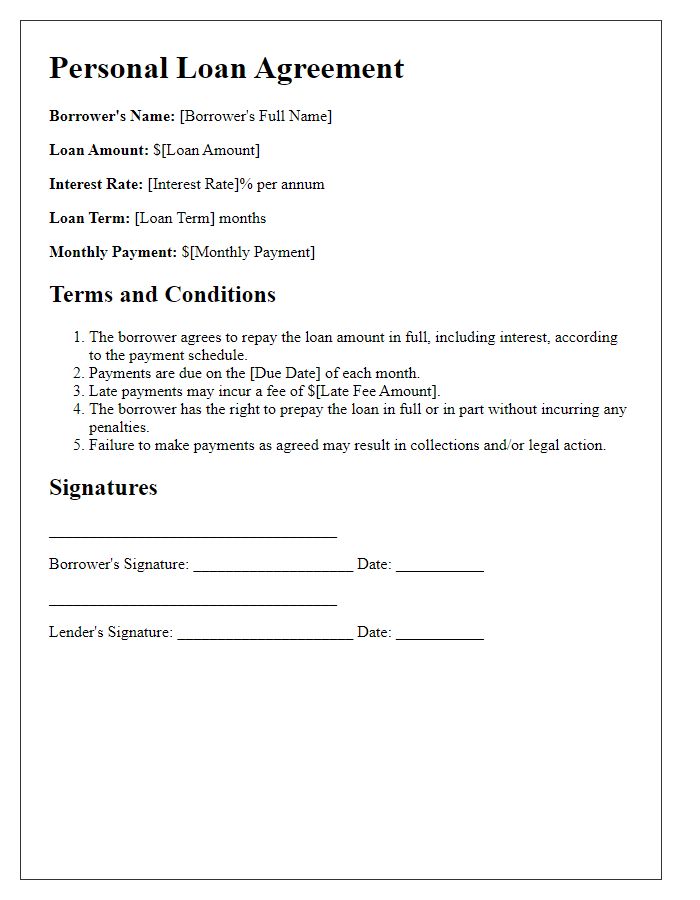
Core sections to include in the document
A practical loan agreement normally starts with the identities of the parties. The lender and borrower should be named accurately, using the legal name appropriate to the transaction. Addresses and other contact information can be included where useful. If a company is borrowing, the document may also need to identify the entity’s legal status and the person authorized to sign. If there is a guarantor, co-borrower, or other obligor, that party should be described separately rather than left ambiguous.
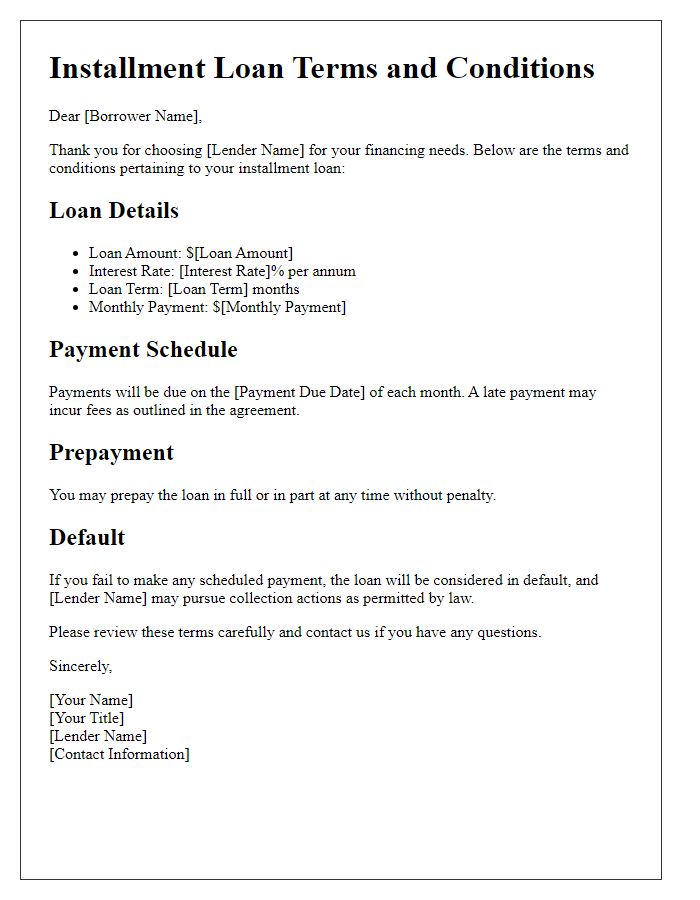
The financial terms come next. The principal amount should be stated clearly, preferably in both numerals and words where appropriate. The document should explain whether interest applies, how the rate is calculated, whether the rate is fixed or variable, and how interest is treated when payments are made. Fees should also be identified rather than hidden in general language. Depending on the transaction, these can include origination charges, late charges, administrative costs, or other amounts that the parties have agreed to pay.
The repayment section should be specific enough that another reader could reconstruct the payment obligation without guessing. It can state the payment frequency, first payment date, regular installment amount, maturity date, and treatment of the final payment. If the loan uses a lump-sum maturity, balloon payment, interest-only period, or another structure, that should be stated plainly. A schedule can be attached when the transaction has many installments or when principal and interest need to be shown separately.
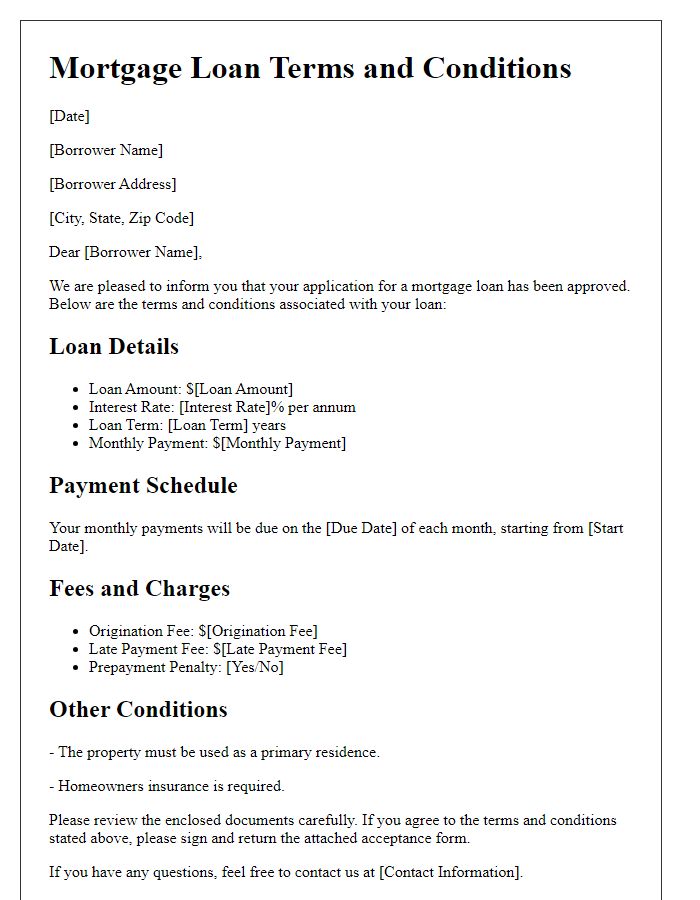
Security provisions should be addressed whenever the loan is secured. The document should identify the collateral with enough detail to distinguish it from other property. It should also explain the borrower’s responsibilities concerning the collateral and the lender’s rights following a qualifying default, subject to applicable law. For a real estate transaction, a separate mortgage or security instrument may be required in addition to the principal agreement.
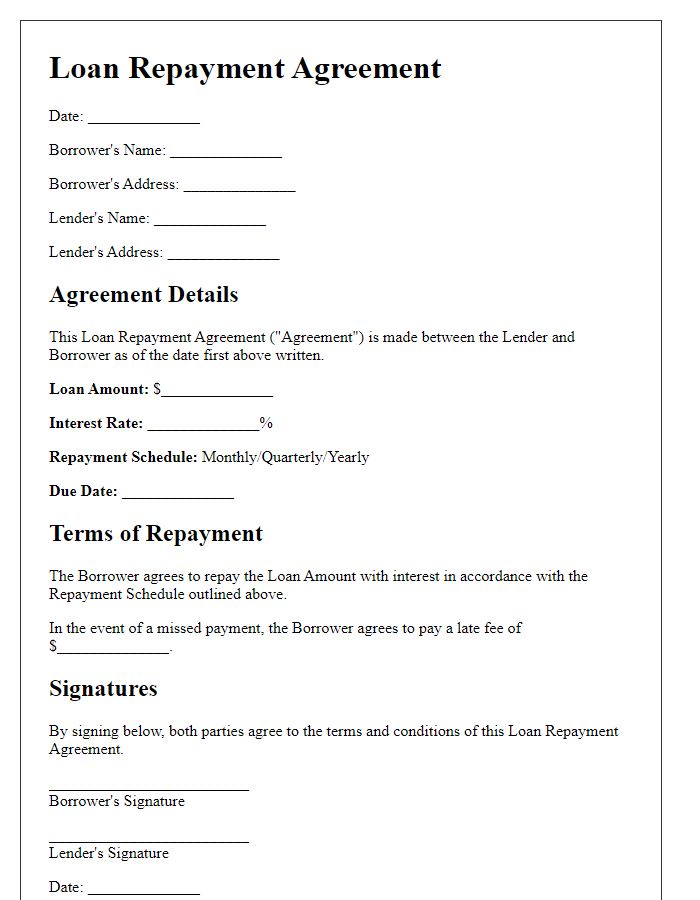
Default provisions deserve careful drafting because they determine what happens when the agreed terms are not followed. A clause can identify missed payments, insolvency events, false representations, unauthorized transfers, or other events that constitute default when appropriate. It should then explain the available remedies without suggesting that a lender can take action beyond what the contract and applicable law permit.
Finally, the agreement should address governing law, notices, amendments, assignment, dispute procedures, and signatures when those provisions are appropriate. Electronic signing may be acceptable in some transactions, but the legal requirements vary by jurisdiction and document type. For higher-value or secured transactions, professional legal review is particularly important because a seemingly minor clause can affect enforceability or the parties’ rights.
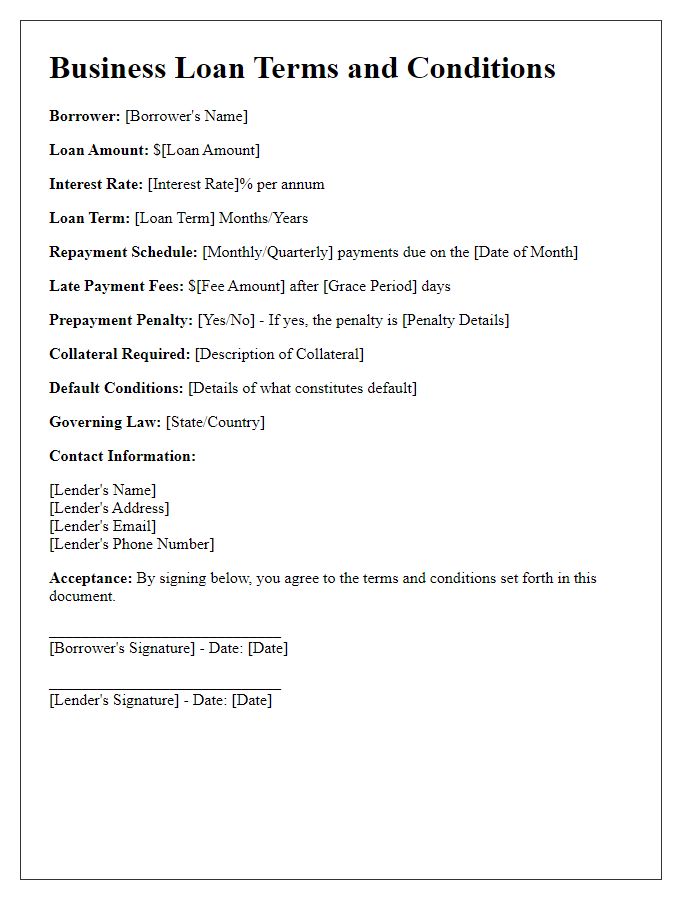
Approval notice versus final loan agreement
A loan approval notice and a loan agreement serve different purposes. An approval notice generally communicates that a lender has decided to extend financing subject to stated terms or conditions. It may summarize the principal amount, interest rate, term, and next steps. A final loan agreement goes further by establishing the detailed contractual rights and duties of the parties.
This distinction matters when reviewing a loan approval letter sample. A letter may contain useful information about the approved terms, but it may not contain every clause needed for the complete lending relationship. For example, the final agreement may include provisions concerning collateral, insurance, default, payment allocation, notices, amendments, assignment, dispute resolution, and governing law that are absent from a short approval letter.
The approval document can nevertheless be valuable as a reference during contract preparation. The lender or authorized representative can compare the approval terms against the final agreement and confirm that the principal, rate, term, and conditions have not changed unintentionally. Borrowers can perform the same comparison before signing. If the final agreement differs materially from the approval notice, the parties should understand why the change occurred before execution.
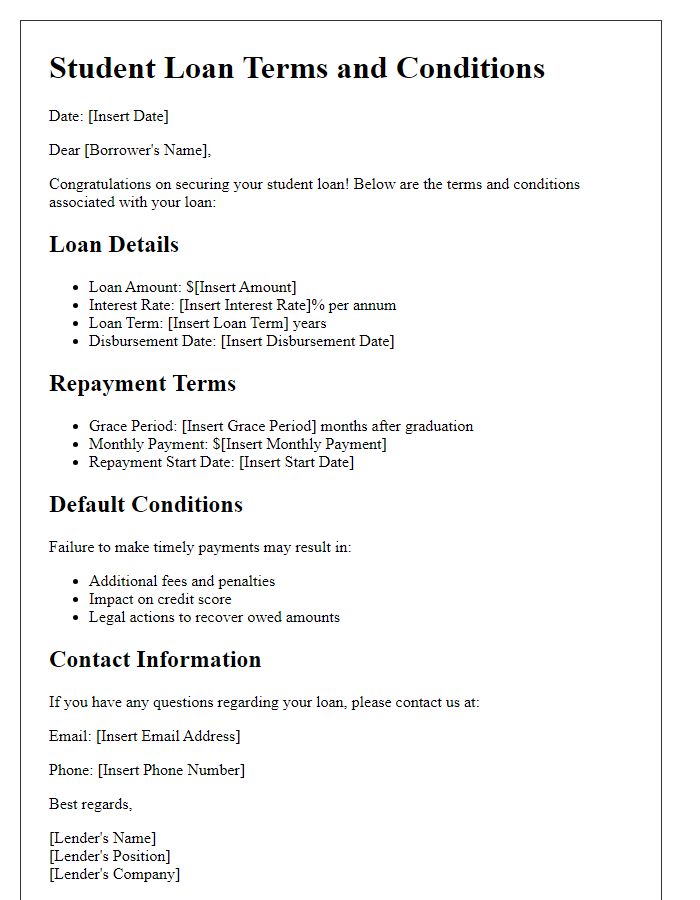
Choosing the right format for a loan agreement
The format should match how the document will be reviewed, signed, stored, and amended. A structured digital document can be useful during drafting because headings and clauses can be revised easily. A finalized PDF can preserve the appearance of the executed document, while an editable word-processing format can be useful while terms are still being negotiated. The important point is not the file extension but whether the final record accurately reflects the agreed terms.
Searches for loan approval agreement template pdf, loan approval agreement template free, and loan approval agreement template word often reflect different stages of the same workflow. A PDF-oriented format may be preferred for a final record, while an editable format may be more convenient during drafting. A phrase such as loan approval agreement template free download may also indicate that the reader wants a ready-made starting point, but any template still needs transaction-specific review before it is signed.
The same principle applies when comparing an agreement template for loan with a more detailed loan agreement form template. A short form may be appropriate for a straightforward transaction with limited variables, while a secured commercial or real estate loan can require considerably more detail. The complexity of the transaction should determine the complexity of the document rather than the desire to keep the form short.
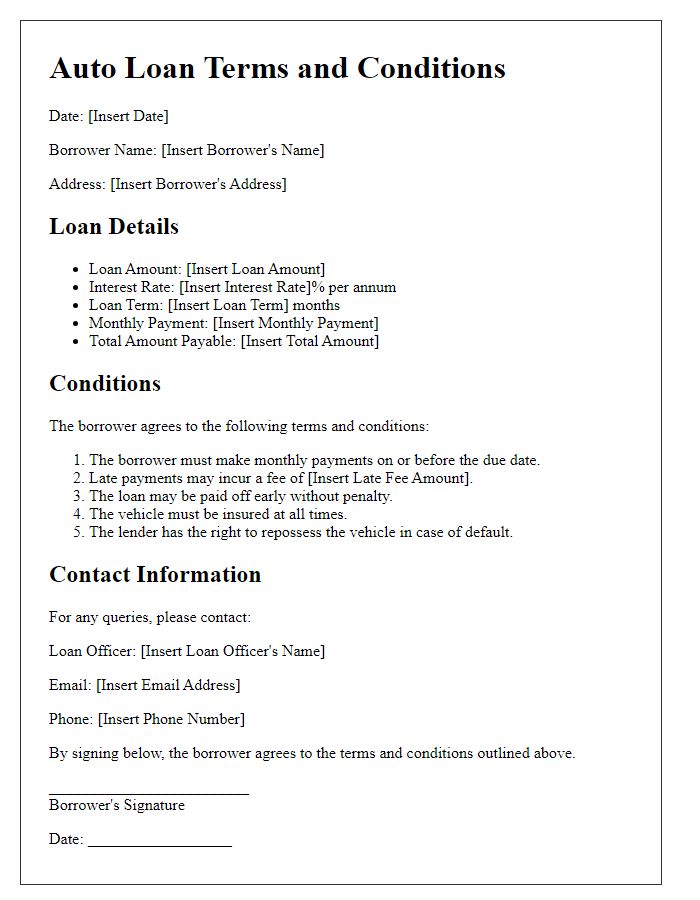
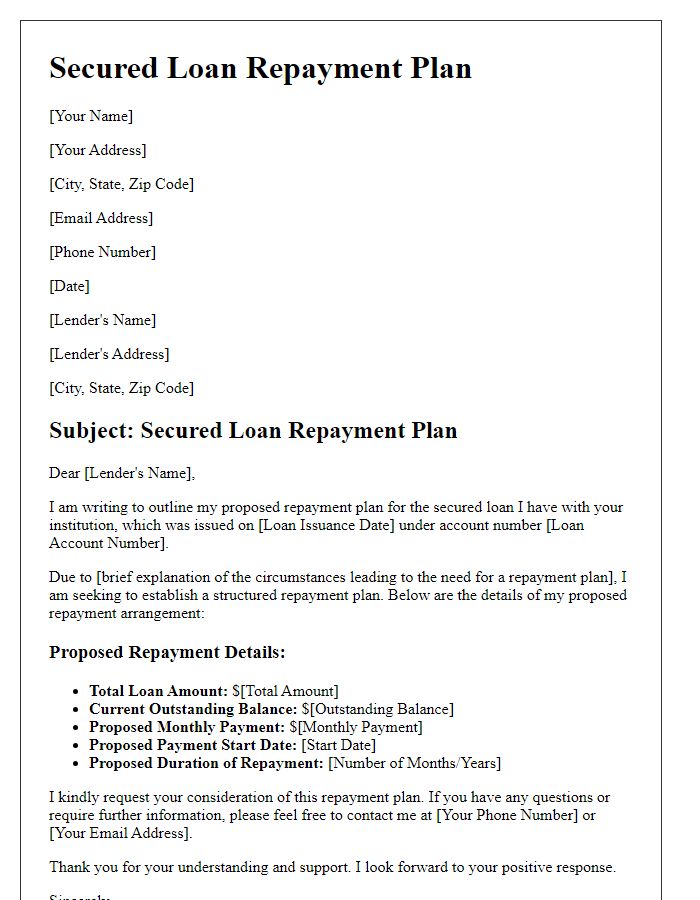
How to organize repayment terms
Repayment language should tell the reader exactly when money is due and how each payment is calculated. A basic agreement can identify a regular installment amount and recurring due date. More complex loans may require an amortization schedule, separate treatment of principal and interest, or a final maturity payment. If the interest rate can change, the document should explain the adjustment mechanism rather than merely describing the rate as variable.
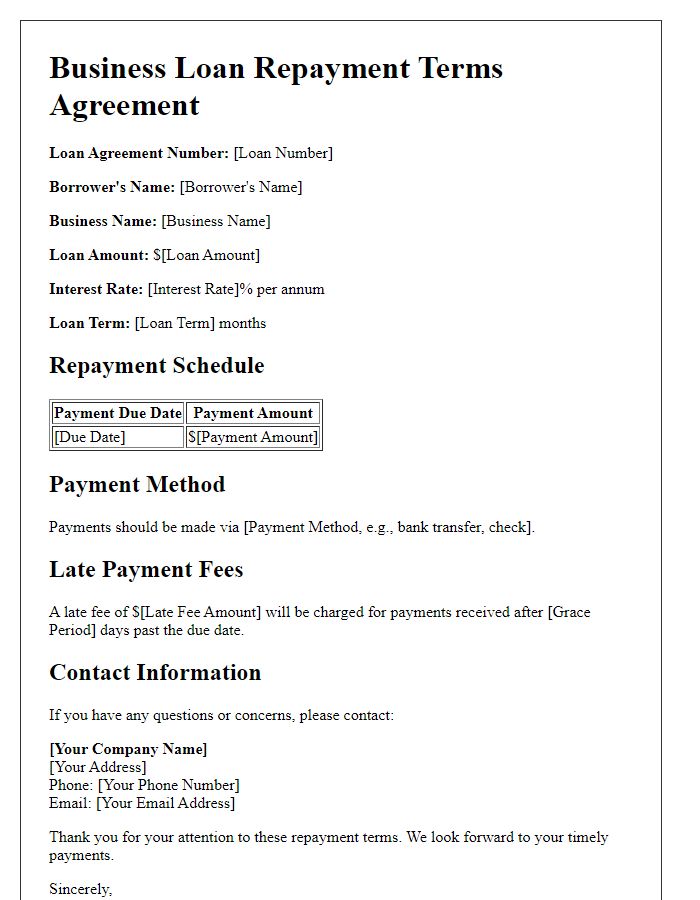
Payment method is another useful detail. The agreement can specify whether payments are made by bank transfer, check, direct debit, or another agreed method. It should also explain when a payment is considered received if timing affects late charges. If payments are applied first to interest, fees, or principal, that order should be stated clearly so that both parties can understand how the outstanding balance changes.
Early repayment deserves explicit treatment. Some agreements permit full or partial prepayment without a charge, while others may contain contractual conditions. The agreement should not imply that a particular fee or restriction applies unless it has actually been agreed and is lawful. Clear wording is especially useful when the borrower expects to refinance, sell an asset, or repay the balance ahead of schedule.
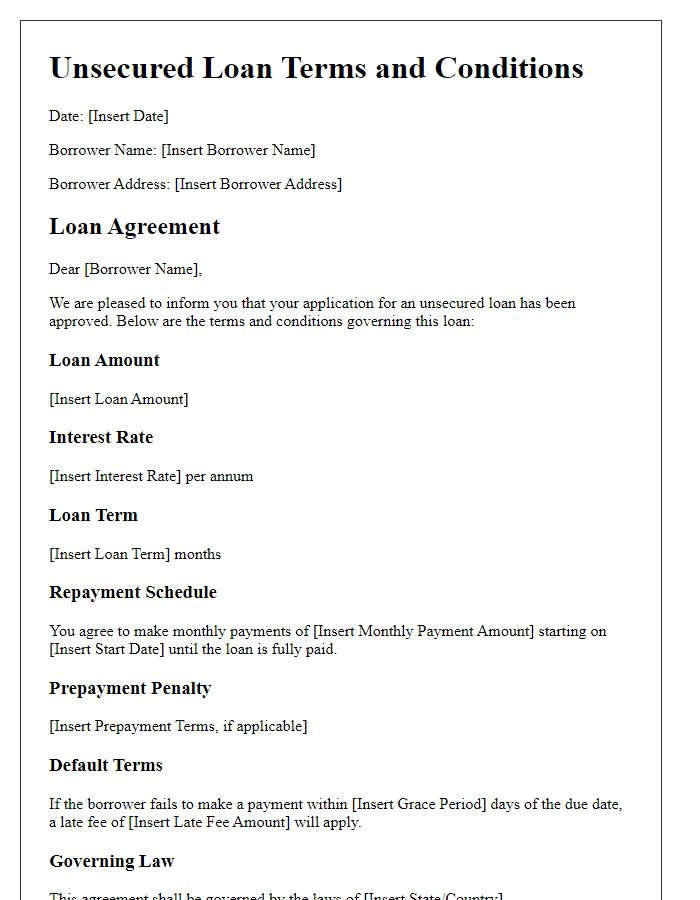
Payment schedules and record keeping
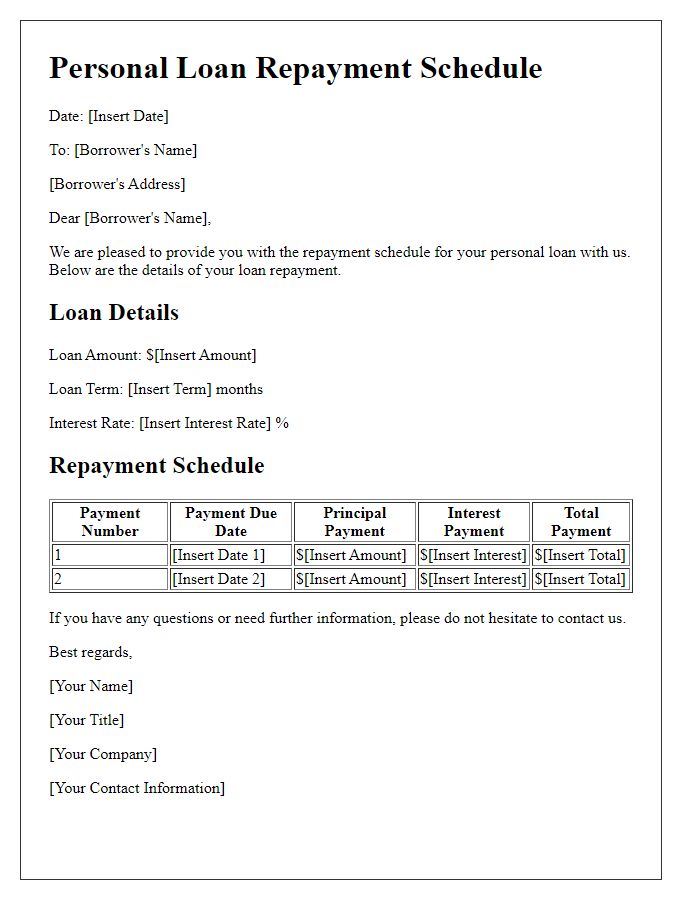
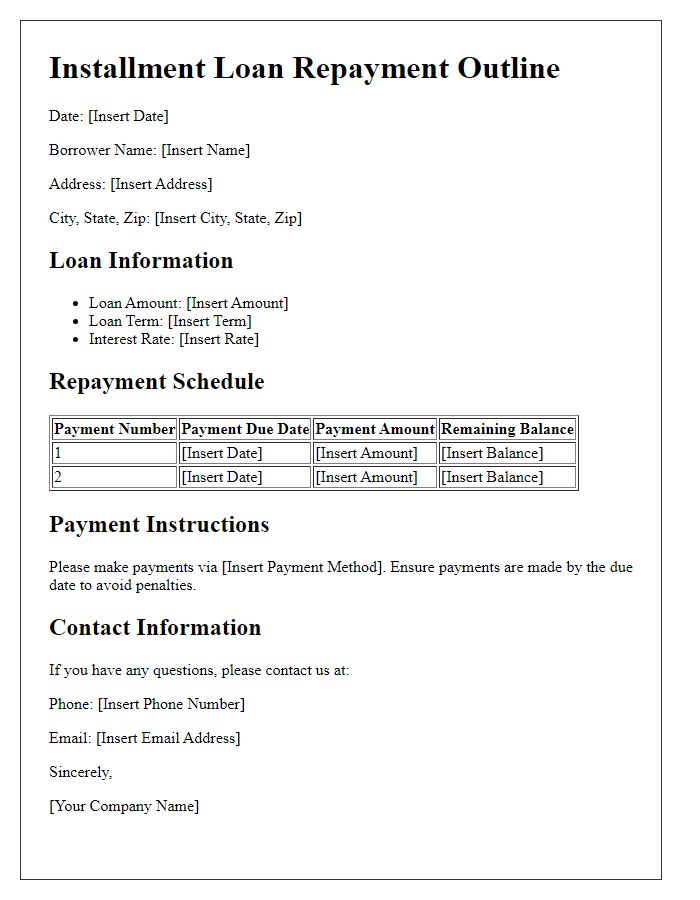
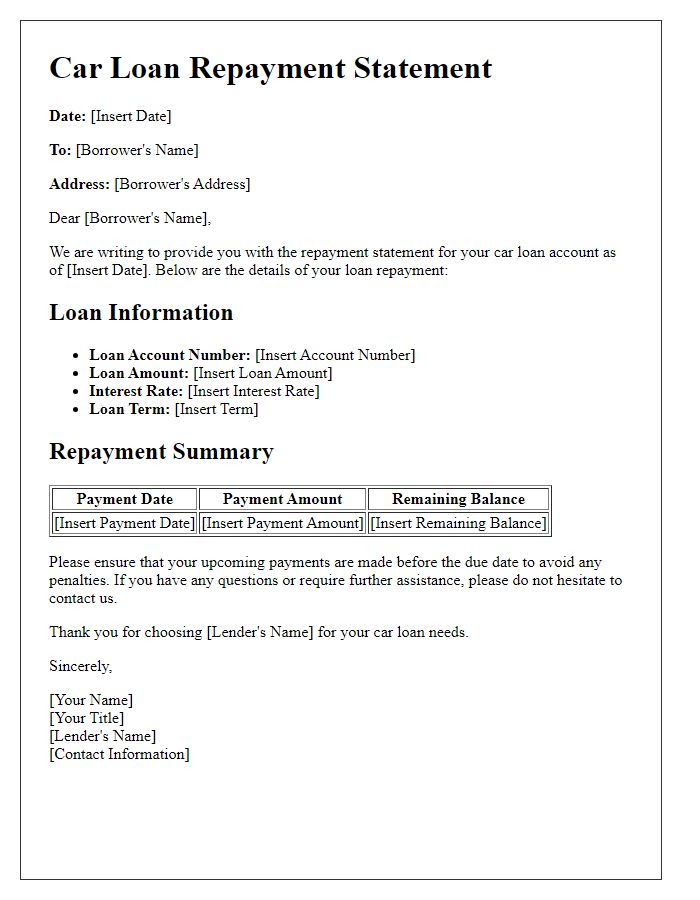
A payment schedule can be a separate attachment or an integrated section of the agreement. For a simple loan, a short schedule may show the payment number, due date, principal component, interest component, and total amount. For a long-term loan, a detailed schedule can make reconciliation easier, especially when payments change because of rate adjustments, approved modifications, or additional principal payments.
A useful schedule should be checked against the underlying agreement. If the agreement says that interest accrues monthly but the schedule assumes another method, the inconsistency should be resolved before signing. The same applies to the final maturity date. A schedule should be a practical representation of the contractual terms, not an independent set of obligations that happens to look plausible.
Both parties should retain the executed agreement and any incorporated schedules or amendments. Later changes should be documented in writing when the contract requires written amendments. Maintaining a clear record is particularly important if payments are disputed, collateral is released, or the loan is modified during its term.
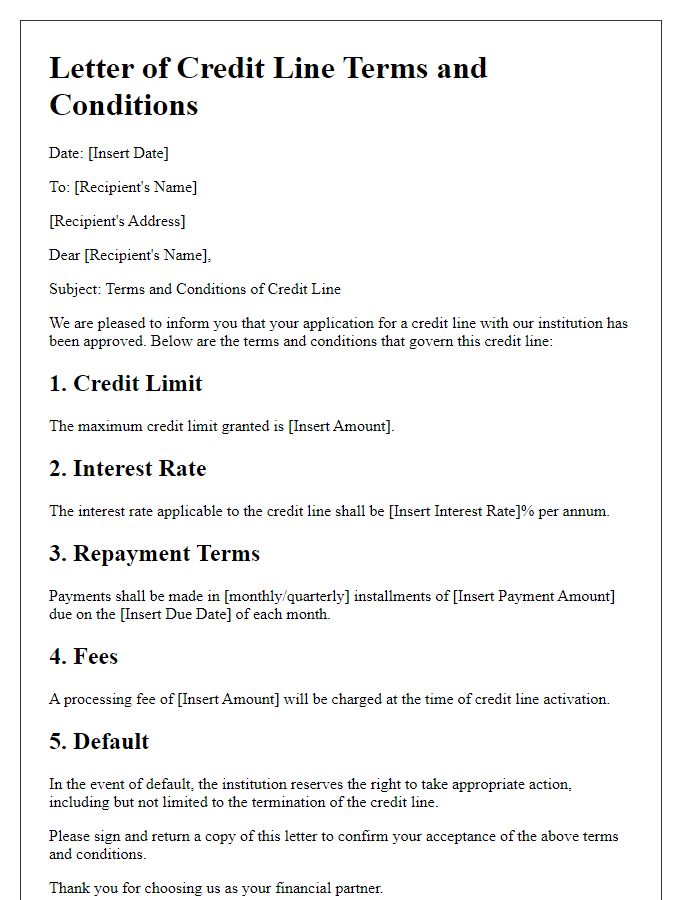
Secured and unsecured lending structures
An unsecured agreement does not rely on a specified asset as collateral, although the lender may still have contractual and legal remedies if the borrower fails to pay. The document should therefore focus on the debt obligation, repayment terms, default events, and available remedies. It should not contain collateral language that suggests an asset is pledged when no security interest has actually been created.
A secured agreement needs greater precision because the collateral forms part of the risk structure. The document should identify the asset and describe the relationship between the principal loan agreement and any separate security instrument. In real estate finance, for example, the principal agreement may work alongside a mortgage or similar instrument. In asset-based finance, the security arrangement can involve additional filings or documentation.
A lender should also avoid assuming that a general statement such as “the loan is secured” automatically creates every legal right associated with collateral. Security interests, registration, priority, enforcement, and foreclosure procedures can be governed by specific laws. The agreement should therefore be coordinated with the supporting security documents and reviewed under the relevant jurisdiction.
What to check before signing
Before signing, compare the approval terms with the final agreement. Check the borrower and lender names, principal amount, interest rate, loan term, disbursement date, payment dates, fees, collateral description, and default provisions. If a guarantor or co-borrower is involved, confirm that the correct party is identified and understands the obligations being assumed.
Next, examine the financial effect of the agreement rather than focusing only on the headline interest rate. Review the payment amount, frequency, total duration, fees, and any conditions that could cause the balance to become due sooner than expected. For variable-rate lending, understand what causes the rate to change and how that can affect future payments.
Finally, verify execution requirements. The agreement should contain the signatures required for the transaction and any dates or witnessing formalities that apply. If the transaction involves substantial value, real estate, a business entity, a guarantor, or unusual security arrangements, professional legal advice can help identify requirements that a generic template cannot anticipate.
Common drafting mistakes to avoid
One frequent mistake is leaving key fields ambiguous. A document that states a loan amount but does not clearly state when repayment begins can create uncertainty. Another is using different terms for the same party or financial amount in different sections. Consistent definitions make the agreement easier to interpret and reduce the possibility of conflicting clauses.
Another problem is copying provisions from an unrelated type of lending transaction. A mortgage-oriented clause may not make sense for a personal unsecured loan, while a business finance provision may be inappropriate for a simple family loan. Templates are most useful when they provide structure while still allowing the document to be tailored to the actual transaction.
Overlooking amendments is another practical risk. If the parties later agree to change the interest rate, maturity date, payment amount, or collateral terms, the change should be documented in the manner required by the agreement and applicable law. Informal messages can help explain negotiations, but they should not automatically be treated as a substitute for a properly executed contractual amendment.
Using sample documents intelligently
A loan template agreement pdf can help readers visualize how headings, clauses, signature areas, and payment provisions fit together. A loan agreement document template can serve the same purpose during drafting. The value comes from understanding the structure, not from assuming that every clause is suitable for every borrower or lender.
When reviewing a loan template agreement sample, focus on the information architecture. Look for clear party identification, a defined principal amount, interest language, repayment provisions, default terms, collateral treatment where relevant, governing law, and signatures. A useful sample should make the relationship between these components easy to understand.
An agreement template free for loan may be convenient as a starting framework, but convenience should not replace review. The more complex the transaction, the more important it becomes to verify that the document addresses the actual risk allocation. For a mortgage transaction, a lending agreement template for mortgage loan may illustrate property details, security provisions, payment terms, insurance obligations, and governing-law language, but local mortgage requirements can still require separate documents.
Practical Solution
Start by building the agreement around the approved commercial terms rather than copying a generic form and filling blanks at the end. Create a short term sheet containing the parties, principal amount, interest structure, term, repayment frequency, first payment date, maturity date, fees, collateral, and approval conditions. Then use those confirmed facts to populate the agreement. This approach helps prevent inconsistent figures and makes it easier to compare the final document against the lending decision.
Next, review the agreement in the same order that a real transaction occurs. Confirm who the parties are, establish the amount and disbursement conditions, explain the cost of borrowing, define repayment, address collateral and insurance where relevant, and then describe default and remedies. Finish with administrative clauses, governing law, notices, amendment procedures, and signatures. For a secured or high-value transaction, have the completed document reviewed by an appropriately qualified professional before execution.
Before signing, perform a final reconciliation. Compare every major figure against the approval record and repayment schedule. Check that dates follow a logical sequence and that the collateral description matches any supporting security document. Confirm that all required signatures are present and that each party receives an executed copy. If a condition of approval remains outstanding, identify it clearly instead of treating the transaction as fully completed. This workflow turns a template into a transaction-specific record that can be understood and maintained throughout the loan term.
For a simple transaction, the practical solution may be a concise agreement with clearly defined parties, principal, interest, repayment, default, and signatures. For a commercial or mortgage transaction, the document set may be much broader. The key is to scale the documentation to the transaction rather than treating every loan as though it carries the same legal and financial risks.
It is also useful to create a review checklist for recurring lending. The checklist can confirm party names, principal, rate, fees, repayment dates, security, default provisions, governing law, execution requirements, and attached schedules. Reusing the checklist can improve consistency without assuming that the underlying agreement itself can be reused unchanged.
Examples of useful document structures
A personal lending arrangement may use a relatively compact structure: parties, principal, interest, repayment schedule, late payment terms, default, governing law, and signatures. A business loan may add permitted use of proceeds, financial reporting obligations, representations, covenants, collateral, guarantees, insurance, and events of default. The difference illustrates why the best structure depends on the relationship and risk involved.
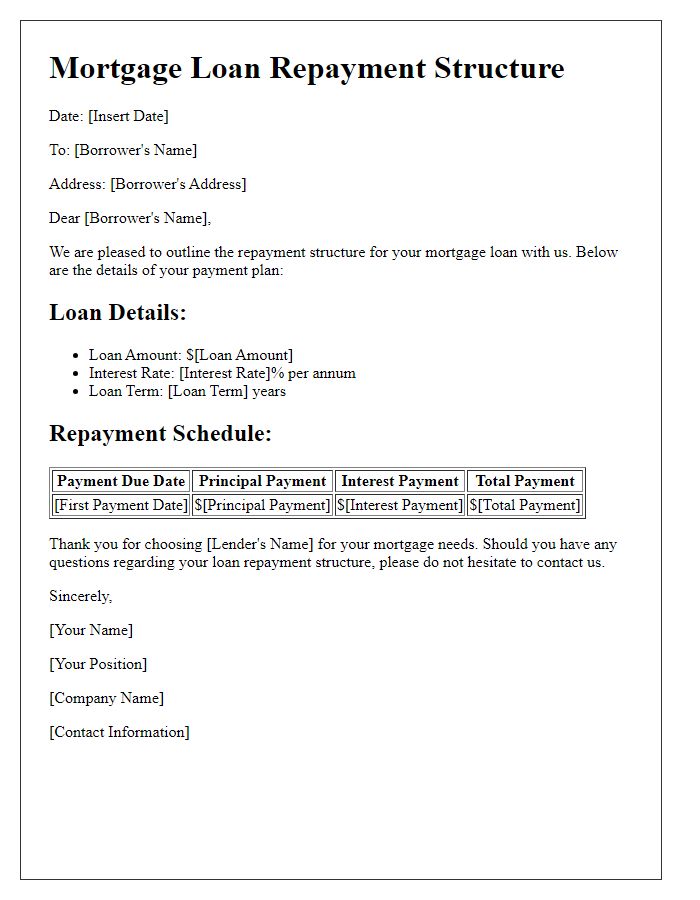
A mortgage-related agreement typically needs a property description and a clear connection to the security documents. It may also address property insurance, taxes, maintenance, payment obligations, and remedies associated with default. The underlying mortgage or security instrument may contain additional provisions that should be reviewed alongside the principal lending agreement rather than in isolation.
A repayment modification is another useful example. If the parties agree to extend maturity or change installments, the modification should identify the original agreement, describe the precise changes, state the effective date, and confirm which original provisions remain unchanged. This prevents a later reader from having to reconstruct the current terms from scattered correspondence.
Special considerations for approval conditions
Approval conditions should be listed separately from ordinary ongoing obligations when that distinction matters. A condition might require receipt of a document, completion of a valuation, confirmation of insurance, or execution of a related security instrument. Stating the condition clearly helps both parties understand what must happen before disbursement or closing.
The document should also identify whether an approval condition is a prerequisite to funding or simply an ongoing obligation after funding. Those are materially different concepts. A lender may refuse to release funds until a prerequisite is satisfied, while an ongoing covenant may apply throughout the loan term. Clear labels and dates make that distinction easier to administer.
Where approval is subject to change, the document should avoid presenting preliminary terms as irrevocable commitments unless the parties intend that result and the law supports it. A carefully drafted approval section can state what has been approved, what remains conditional, and which document ultimately controls the lending relationship.
Handling fees, penalties, and default language
Fees should be described with enough precision that the borrower can understand when they become payable and how they are calculated. Avoid vague phrases such as “additional charges may apply” when a specific fee can be identified. The agreement should distinguish ordinary transaction costs from amounts triggered by late payment or default.
Default language should also be proportional to the transaction. A missed installment can be defined as a default event, but the agreement may provide a notice or cure period before certain remedies become available. The exact structure depends on the contract and applicable law. Remedies should be described carefully rather than overstated.
For secured lending, default provisions should be coordinated with the security documentation. A clause in the main loan agreement should not be interpreted in isolation from a mortgage, pledge, guarantee, or other security instrument. Where multiple documents govern the same transaction, the relationship between them should be clear.
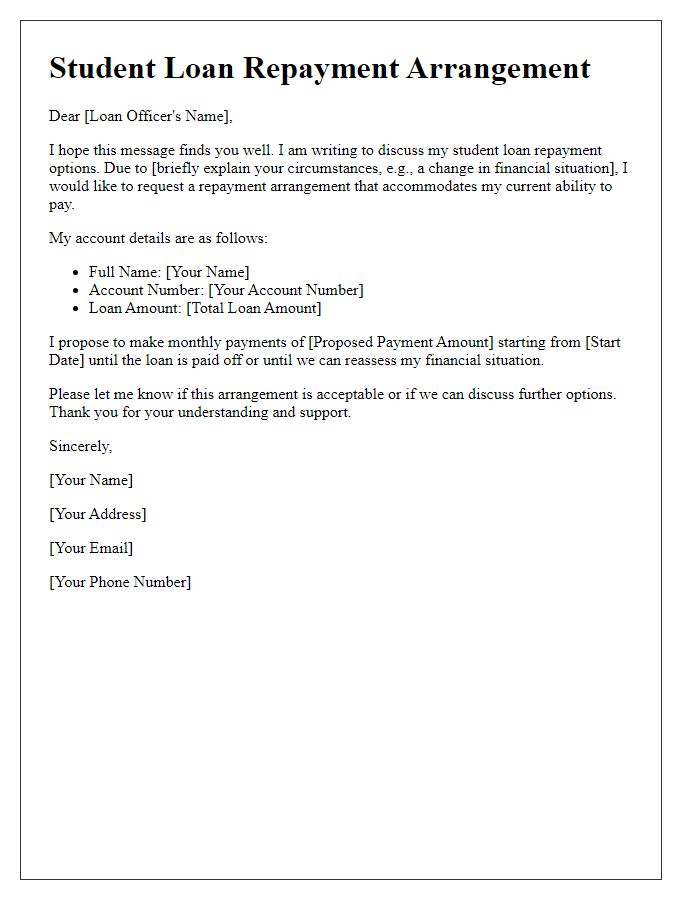
Why clarity matters after signing
The usefulness of a loan agreement continues after execution. During the repayment period, the parties may refer back to it to confirm due dates, payment allocation, interest treatment, notice requirements, and amendment procedures. A document that is easy to navigate can reduce administrative errors and make later discussions more productive.
Clear documentation also helps when responsibility changes. A lender may transfer servicing or assign contractual rights, or a borrower may need to demonstrate the terms of an existing obligation to another professional. A well-organized agreement makes those circumstances easier to manage because the core terms are not dependent on informal recollection.
Good record keeping should include the executed agreement, schedules, amendments, notices, and evidence of relevant payments or releases. If collateral is eventually released, that event should be documented appropriately. The objective is to maintain a complete transaction record from approval through final repayment.
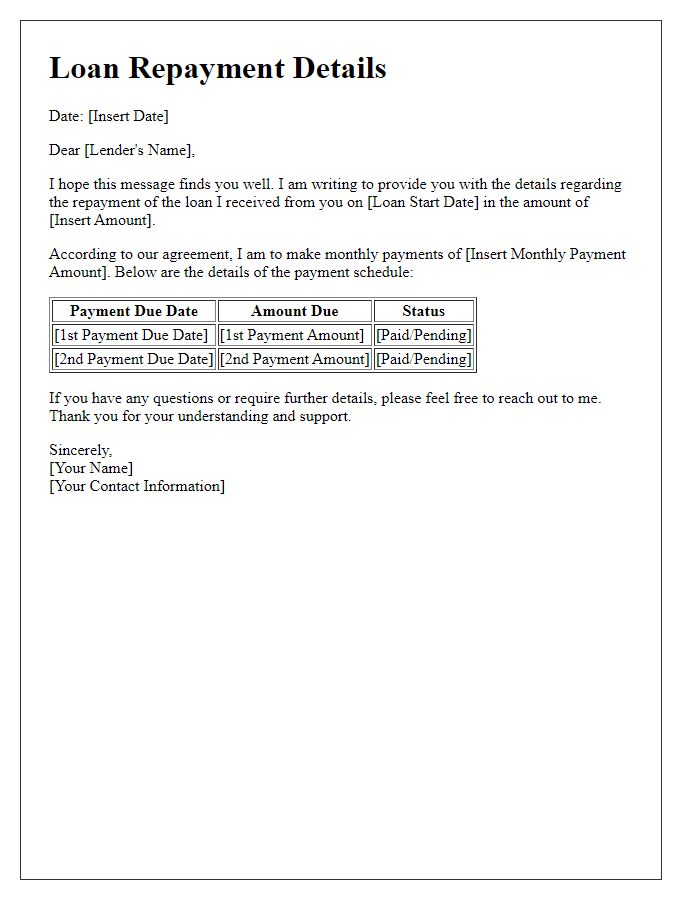
Reference Examples
A loan approval agreement Template is easiest to understand when readers can see how its core components are arranged on an actual document. The examples below illustrate different mortgage-oriented structures, including party identification, principal and interest terms, property descriptions, repayment provisions, governing-law clauses, and signature areas. They are visual references rather than universal legal forms. Their wording and structure should not be assumed to establish requirements in every jurisdiction or transaction. Instead, use them to recognize how a lending agreement can organize information into sections that are easier to review and compare.
These visual references also show why context matters when evaluating a loan approval agreement Template. A first-home transaction can emphasize the property and basic repayment obligations, while refinancing can emphasize the relationship to an existing loan. Fixed-rate, adjustable-rate, construction, commercial, and other mortgage structures can require different details. Reviewing several examples can help a reader identify which sections are relevant before preparing a transaction-specific document and seeking appropriate professional review where necessary.
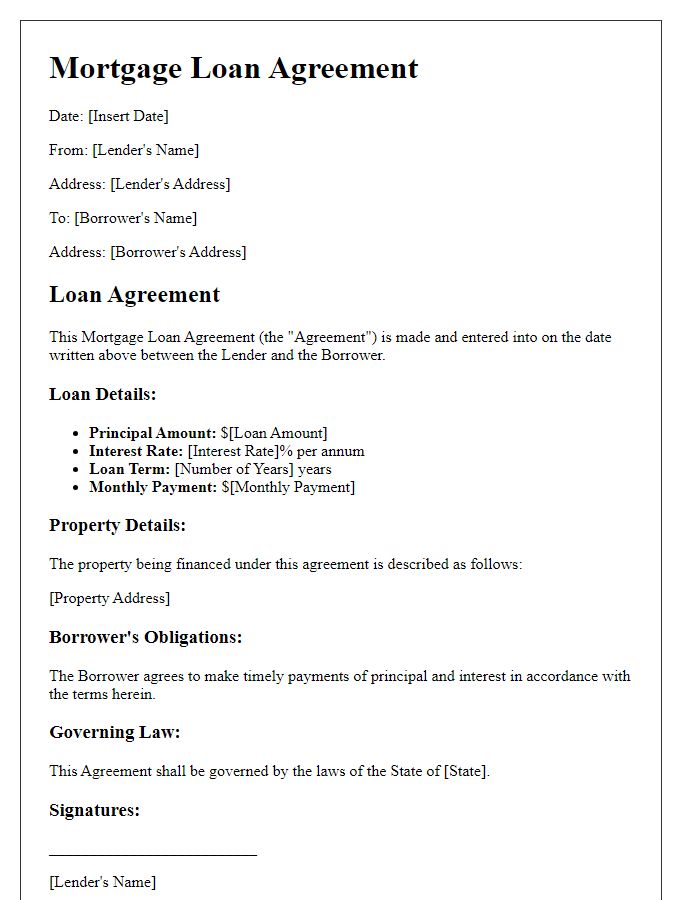
Mortgage Loan Agreement for First-Time Homebuyers
Source: Letterin.net
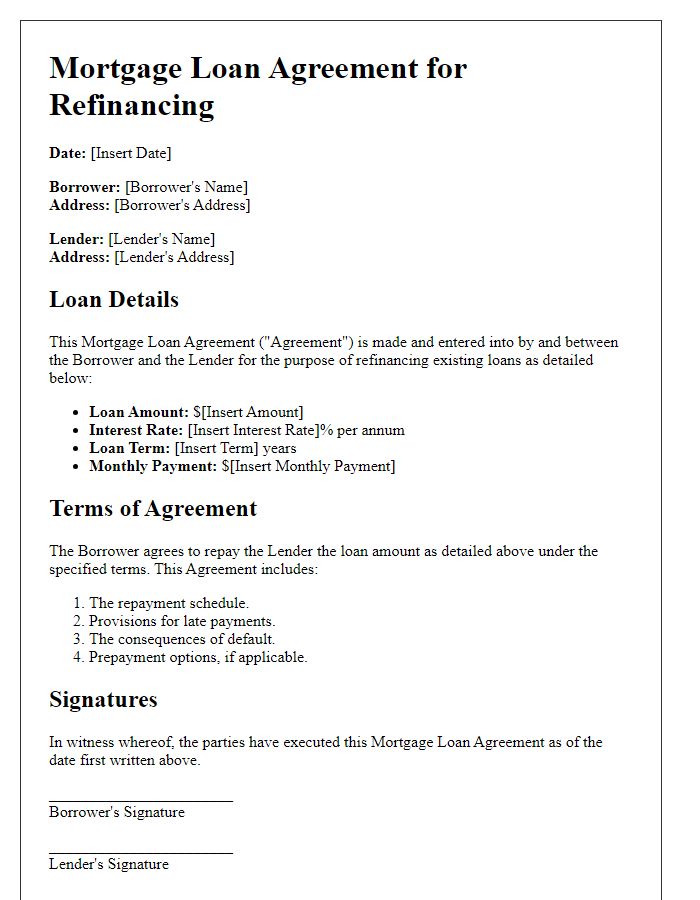
Mortgage Loan Agreement for Refinancing
Source: Letterin.net
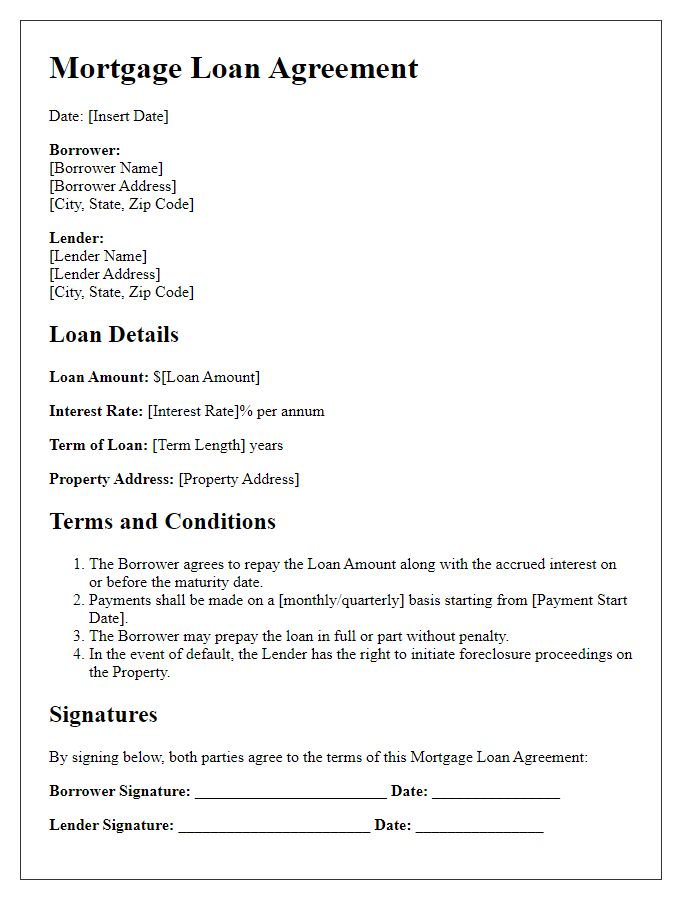
Mortgage Loan Agreement for Investment Properties
Source: Letterin.net
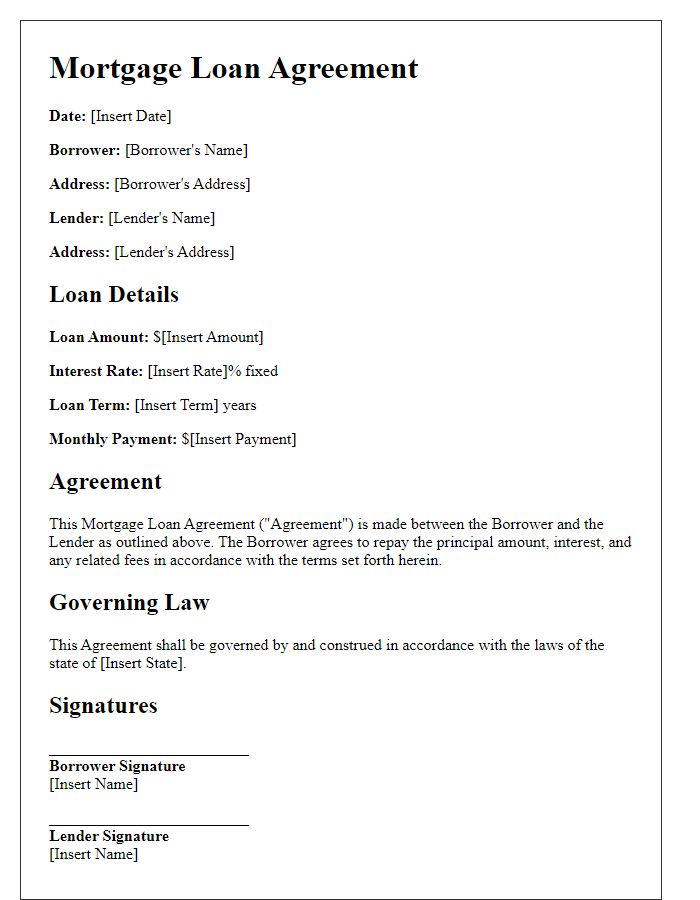
Mortgage Loan Agreement for Fixed-Rate Mortgages
Source: Letterin.net
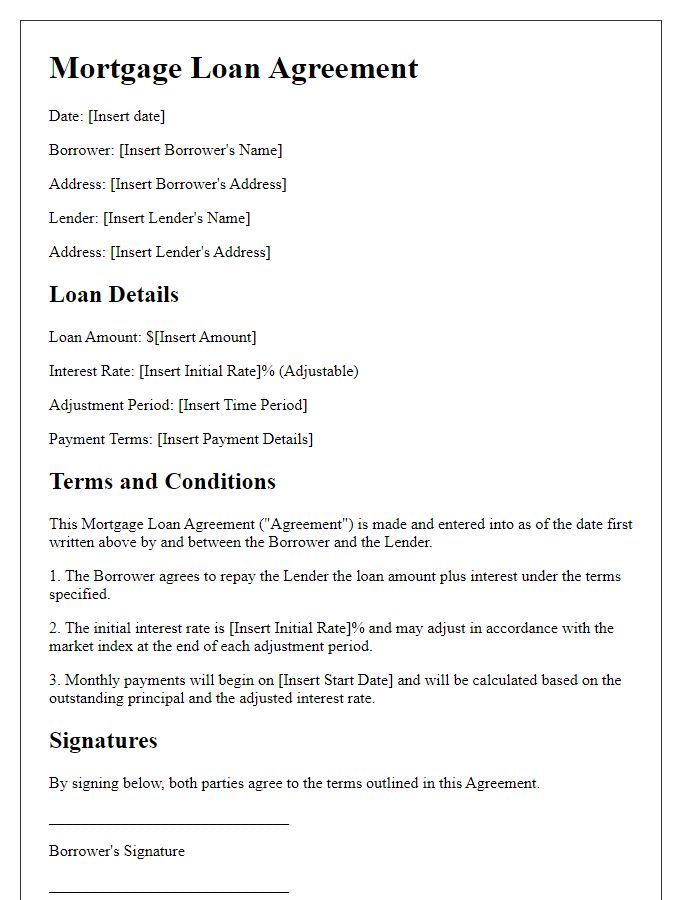
Mortgage Loan Agreement for Adjustable-Rate Mortgages
Source: Letterin.net
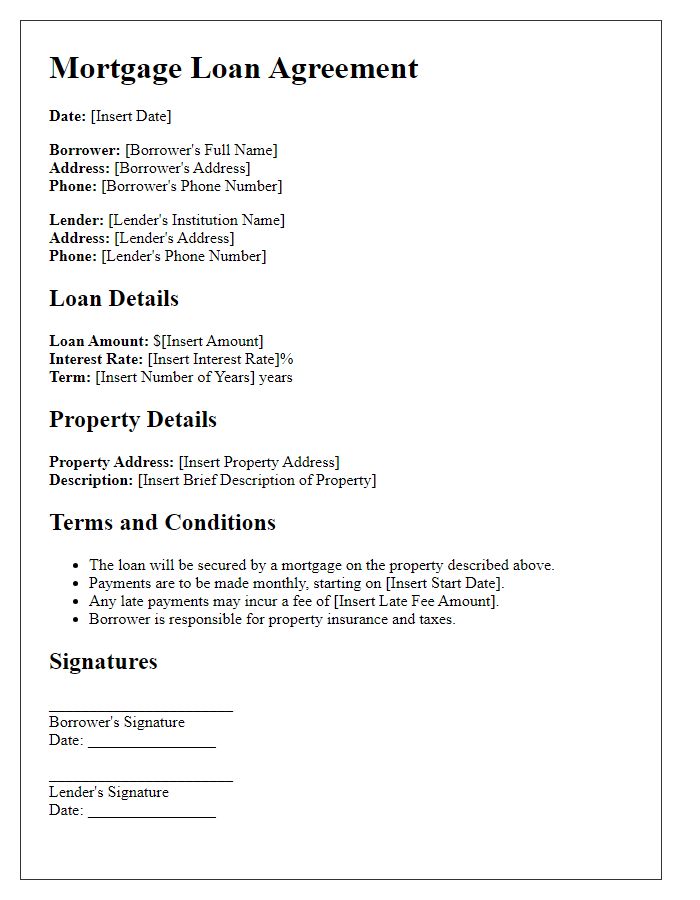
Mortgage Loan Agreement for Construction Loans
Source: Letterin.net
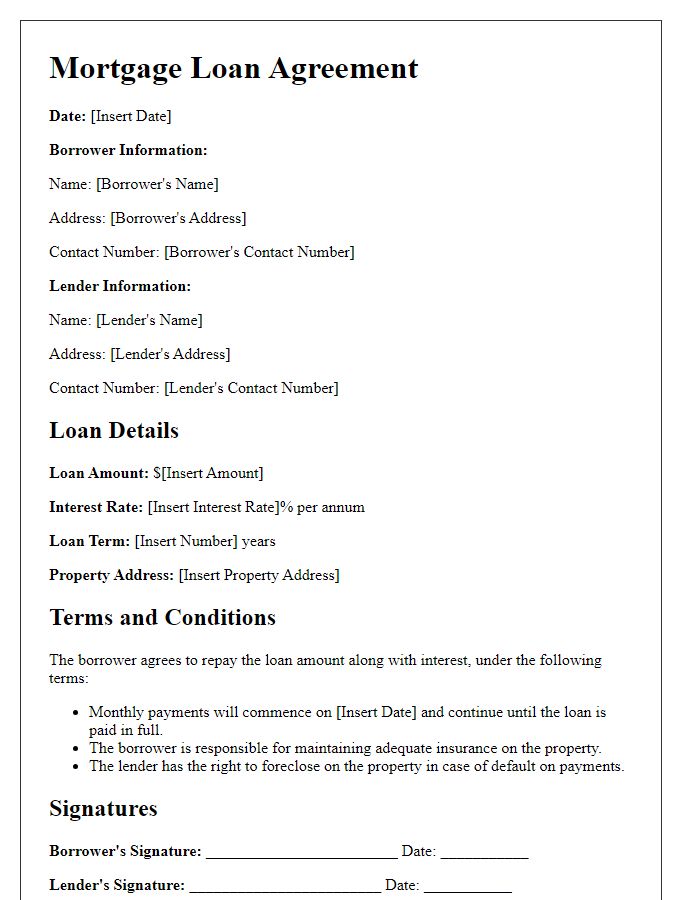
Mortgage Loan Agreement for Jumbo Loans
Source: Letterin.net
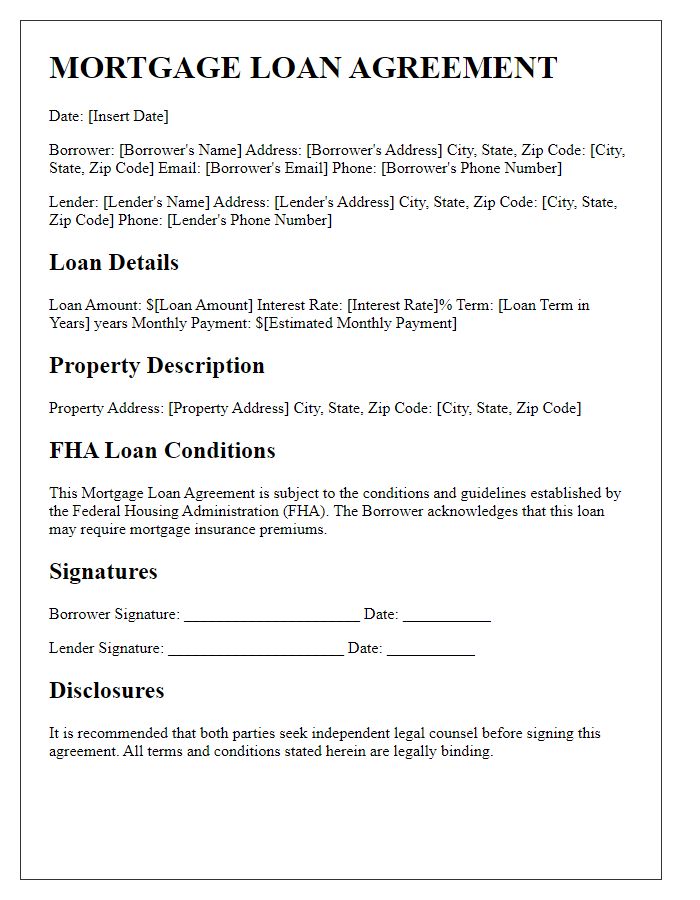
Mortgage Loan Agreement for FHA Loans
Source: Letterin.net

Mortgage Loan Agreement for VA Loans
Source: Letterin.net
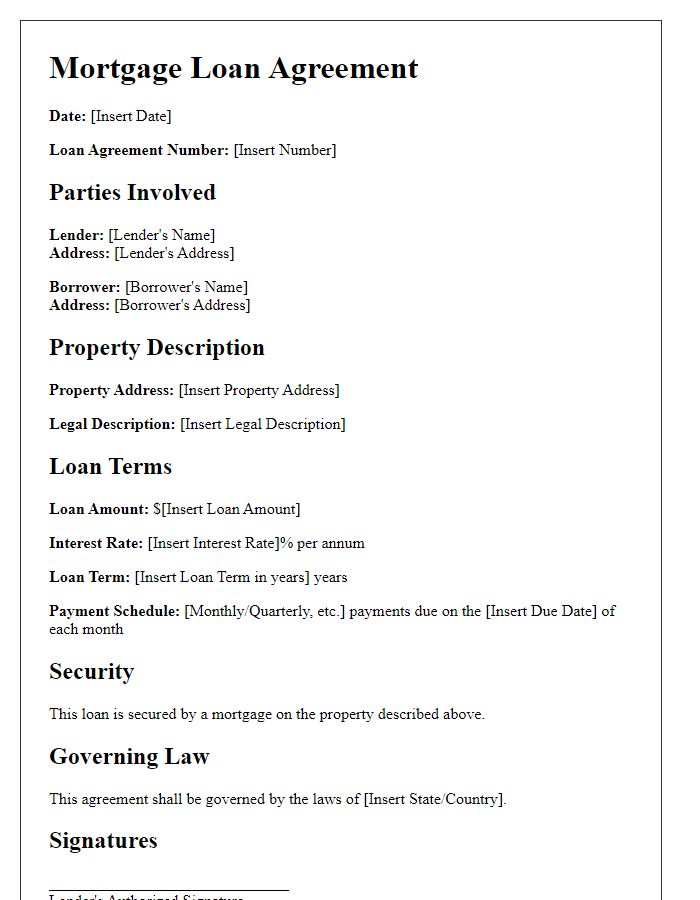
Mortgage Loan Agreement for Commercial Properties
Source: Letterin.net
