A property access agreement is a written arrangement that gives one party defined permission to enter, cross, use, inspect, maintain, repair, or otherwise access another party’s land. When the arrangement concerns real property rights, careful drafting matters because a vague promise about “access” may not adequately identify the land, route, permitted activities, duration, or responsibilities of the parties. A well-prepared property access agreement with notary Template can provide a useful starting structure, but the document should be adapted to the facts of the transaction and the law governing the property.
The search for a notarial property access document often reflects a practical need: two owners want a clear record of who may enter the property, why access is permitted, where access occurs, and what happens if the use causes damage. Some arrangements are temporary permissions, while others are intended to establish an easement, right of way, or another continuing property interest. Those distinctions are important. A temporary right of entry should not automatically be drafted as though it were a permanent easement, and a permanent property right should not be treated as an informal permission.
Research into property-access forms shows recurring elements across professional examples: identification of the grantor and grantee, property descriptions, an explanation of the access area, the purpose of the access, restrictions, maintenance duties, liability provisions, signatures, and an acknowledgment section. Public examples also show why a survey or exhibit can be valuable. A written description and a map can work together to identify the area affected by the agreement much more clearly than a street address alone.

What a Property Access Agreement Actually Does
A property access agreement establishes a defined permission or property right concerning access to land. The party giving the right is commonly described as the grantor, while the party receiving the right may be called the grantee or access holder. Depending on the arrangement, the right may benefit an individual, a neighboring parcel, a contractor, a utility provider, a governmental body, or another entity. The document should make that relationship explicit instead of assuming that the reader will infer it from the circumstances.
The phrase “property access” can describe several different legal arrangements. A homeowner might give a neighbor temporary permission to enter a backyard to repair a fence. A contractor might need construction access for a defined period. Two adjoining owners might establish a shared driveway easement. A landlocked parcel might require a continuing right of ingress and egress across another parcel. A utility provider might need a corridor for inspection and maintenance. These arrangements can look similar on paper while having very different legal consequences.
The distinction between a license or permission and an easement is especially important. A permission-based agreement can be narrow and temporary, while an easement is generally a nonpossessory interest in land that benefits one parcel or holder and burdens another. Professional legal references commonly distinguish right-of-entry arrangements from easements for this reason. The correct document depends on what the parties intend to create and what local law permits.

When Notarization Matters
Notarization is primarily a formal authentication process. A notary generally verifies the identity of the signer and completes the applicable acknowledgment or other notarial certificate. That does not mean the notary has reviewed the agreement for legal sufficiency, confirmed ownership, negotiated its terms, or guaranteed that the access right will be enforceable. The substance of the agreement remains the responsibility of the parties and, where appropriate, their legal advisers.
Whether notarization is required depends on the document, jurisdiction, intended use, and recording requirements. A simple temporary permission may have different formalities from a document intended to create or convey an interest in real property. If the parties expect the agreement to become part of the public land records, execution and acknowledgment requirements should be checked before signing. A document that is perfectly understandable between two neighbors may still require additional formalities before a recorder or land registry will accept it.
A useful property access agreement with notary Template therefore should contain a clearly separated acknowledgment area rather than treating the notary as part of the substantive agreement. The notarial certificate should be appropriate to the jurisdiction where the document will be signed. Parties should also avoid completing a notarial certificate themselves when the applicable rules require the notary to complete particular portions of it.

Core Sections Every Useful Template Should Address
The first part of the agreement should identify the parties precisely. Use the legal names of the property owners or entities rather than informal descriptions such as “the owner next door.” If a company, trust, partnership, or other legal entity owns the property, the agreement should identify the entity and the person signing on its behalf. If there are multiple owners, the drafter should determine whether all required owners need to sign.
The property description is equally important. A street address is useful for convenience, but it may not adequately identify the real estate affected by the agreement. A stronger document can refer to the recorded deed, parcel identifier, lot and block description, or another legally recognized description. Where the access corridor covers only part of a parcel, the document should identify that portion with sufficient precision and, where appropriate, attach a survey or sketch.
The agreement should then define the access right itself. State whether access is pedestrian, vehicular, construction-related, utility-related, maintenance-related, or some combination. Specify whether the right is exclusive or nonexclusive. If vehicles are permitted, consider whether the agreement needs limits concerning vehicle type, weight, parking, loading, speed, gates, or hours of use. The more important the access route is to the property, the more valuable precise drafting becomes.
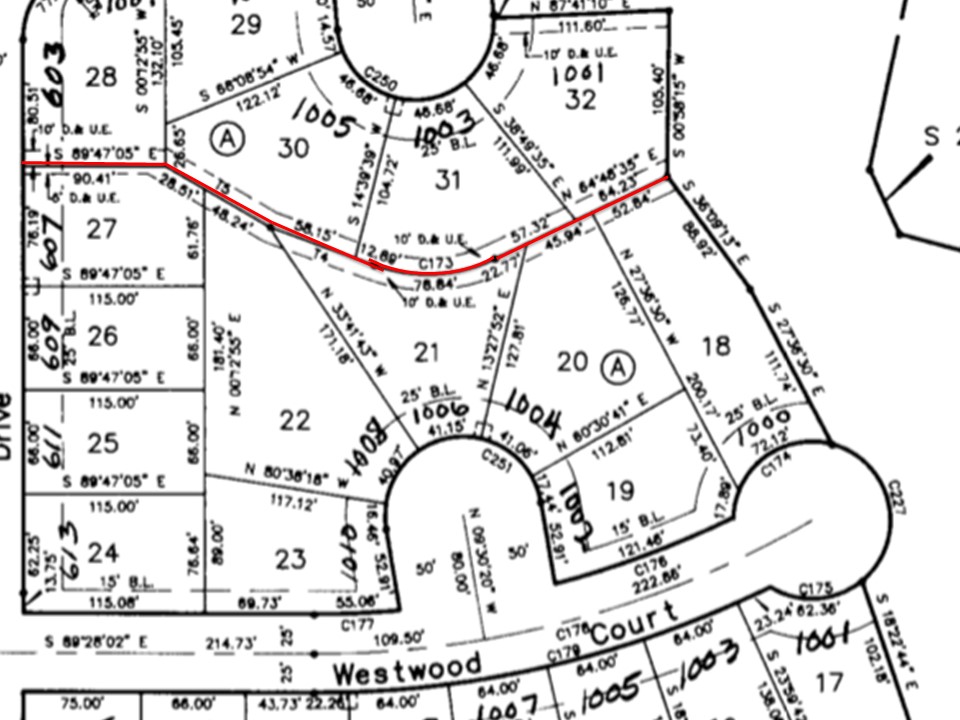
Describe the Easement Area Clearly
One of the most common weaknesses in access documents is an inadequate description of the physical route. “Access over the property” may leave substantial questions unanswered. A better description can identify the width, length, starting point, ending point, direction, adjoining roads, parcel boundaries, or other fixed reference points. If the route follows an existing driveway, the agreement can identify that driveway and define whether the right includes the entire driveway or only a specified portion.
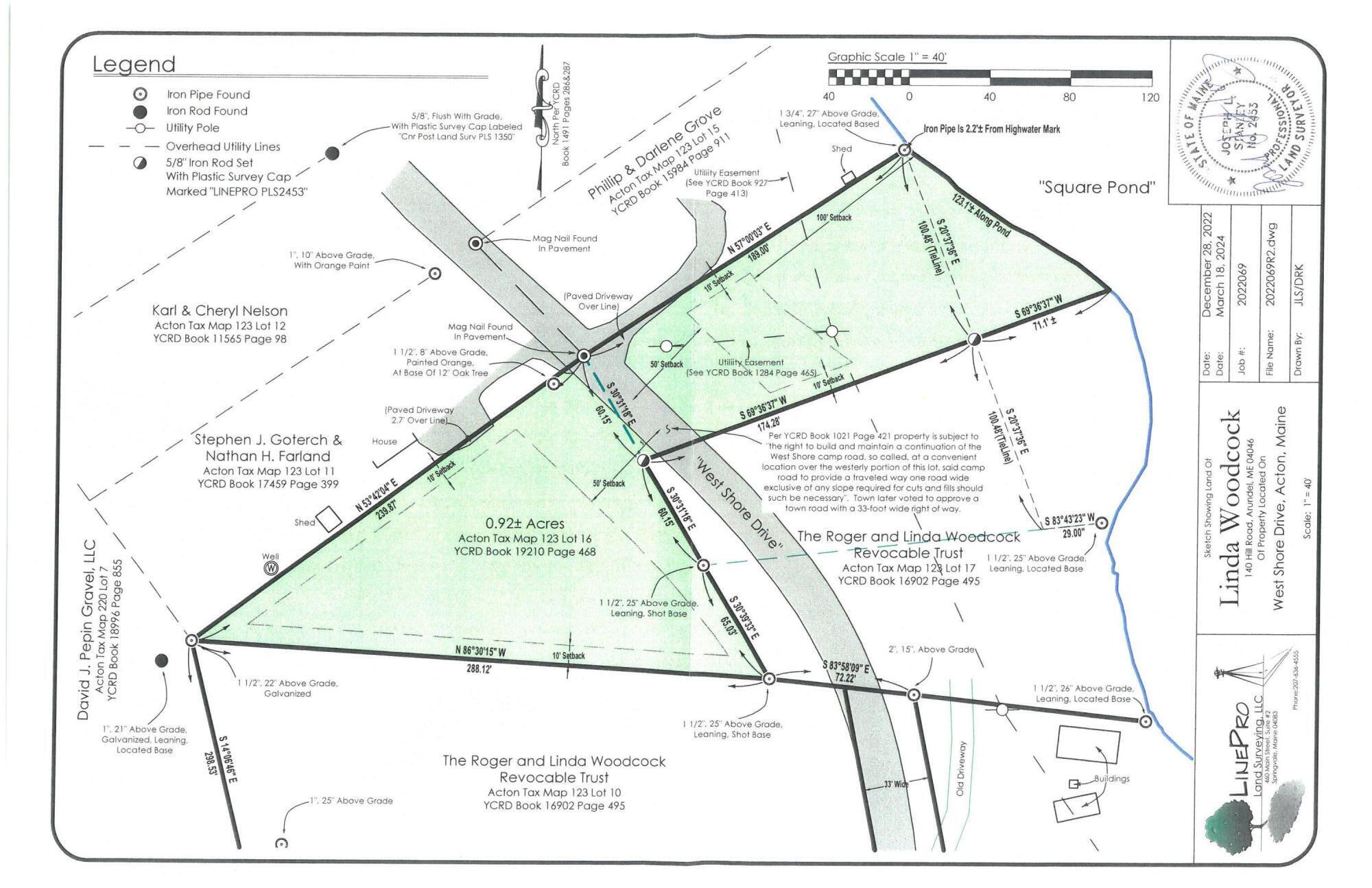
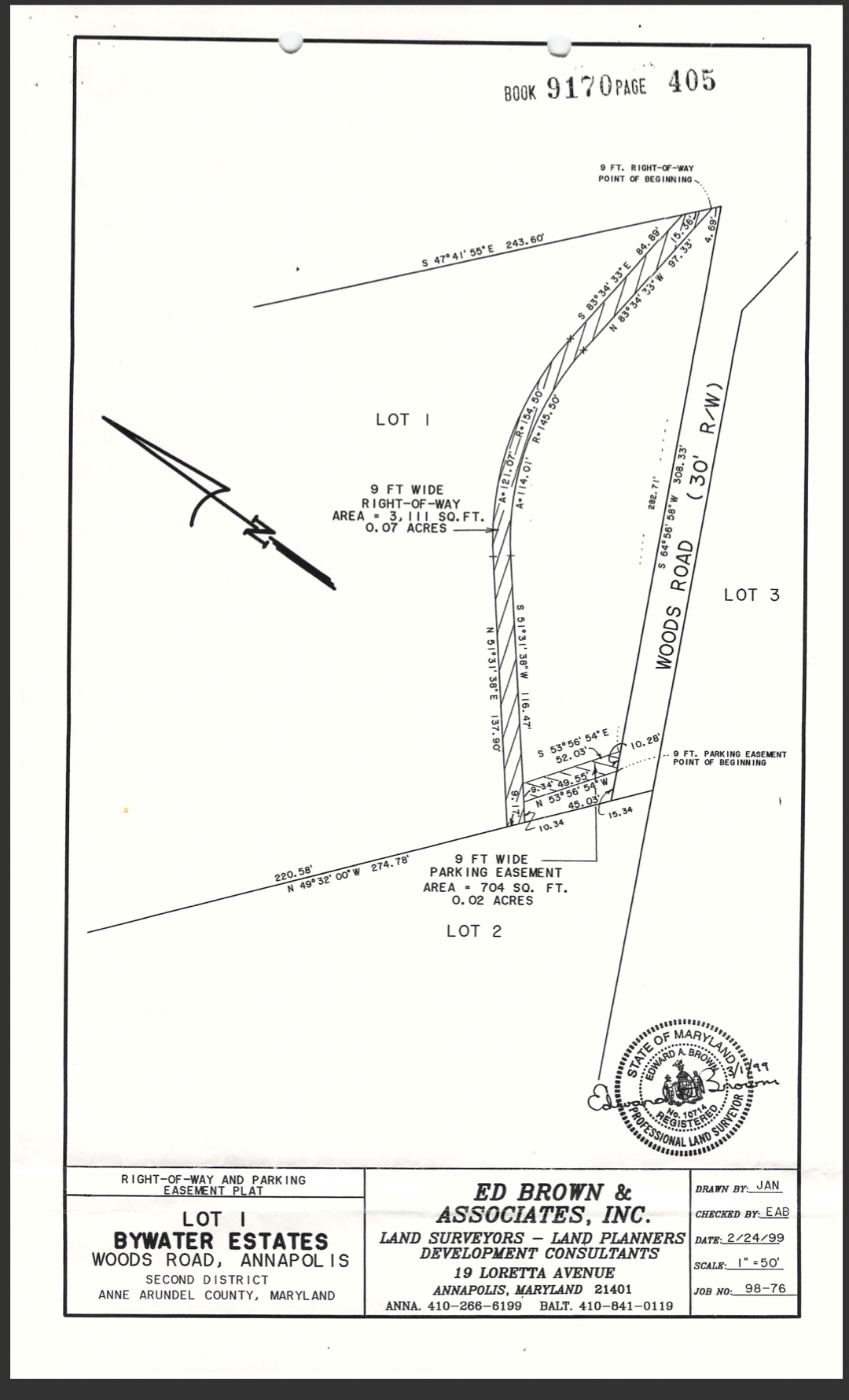
A survey exhibit can be particularly useful when the route is irregular or crosses multiple parcels. A map can show the location visually while the written description provides the legal framework. The exhibit should be labeled consistently with the body of the agreement. If the parties later modify the route, the amendment should clearly identify the revised area rather than relying on an informal verbal understanding.
Property survey examples demonstrate how access and utility rights can be represented through lines, hatching, labels, bearings, distances, and parcel references. The visual language varies from survey to survey, so parties should not assume that a colored line has a universal legal meaning. The agreement should explain the exhibit sufficiently and refer to the recorded source or survey where appropriate.

Purpose and Permitted Use
The purpose clause should answer a straightforward question: what is the access actually for? If the right exists only to reach a neighboring residence, the agreement can say so. If it exists for construction, inspection, maintenance, repair, or utility work, those activities should be identified. Avoid broad language that could unintentionally allow uses neither party intended.
Purpose clauses can also distinguish ordinary access from activities that have a greater impact on the property. For example, walking across a property and operating heavy construction equipment are materially different uses. If equipment, deliveries, excavation, grading, vegetation removal, or temporary structures are contemplated, the agreement should address them specifically rather than leaving the issue to implication.
Restrictions should be written from the perspective of future disputes. Consider whether gates may be installed, whether the route may be blocked, whether the access holder may bring guests or contractors, whether commercial traffic is permitted, and whether access can occur at any hour. A precise restriction is usually more useful than a vague statement that the parties will act “reasonably.”

Temporary Access Versus a Continuing Easement
Temporary access agreements are common when a particular project requires entry onto neighboring land. A construction project may need access for equipment, materials, inspections, or restoration work. In that situation, the document should identify the project, the permitted activities, the beginning and ending conditions, and what happens when the project is finished.
A continuing easement is different because the parties may intend the access right to remain associated with the land rather than ending after a project. Such an arrangement requires more careful consideration of successors, future owners, maintenance, changes in use, and recording. A continuing right may affect title, financing, future development, and the use of both the benefited and burdened property.
The agreement should never rely on a generic duration clause when the parties have a specific intention. If access ends on a particular date, say so. If it ends when construction is completed, define completion. If it continues until a specified event occurs, identify that event. If the parties intend a perpetual easement, the document should be reviewed for the legal and recording requirements that apply to that type of property interest.
Maintenance, Repairs, and Damage
Access creates practical responsibilities that should not be left entirely to future negotiation. If vehicles use a private driveway, who repairs potholes? If a contractor damages landscaping, who restores it? If a gate is damaged, who replaces it? If drainage is affected by access work, who addresses the problem? A strong agreement assigns responsibility in terms that can be understood without reconstructing an earlier conversation.
Maintenance provisions can distinguish routine maintenance from major improvements. Routine grading, snow clearing, vegetation trimming, resurfacing, drainage work, and gate maintenance may need different allocation rules. The parties can specify whether expenses are shared equally, allocated according to use, assigned to one party, or determined through a separate written process.
Damage provisions should also distinguish ordinary wear from negligent or unauthorized conduct. If the access holder causes damage while using the route within the agreed purpose, the parties should know what repair standard applies. If a party exceeds the permitted use, the agreement can state how resulting costs or restoration obligations are handled.
Indemnity, Insurance, and Liability Provisions
Liability language is one area where a generic template can become risky. An agreement may allocate responsibility for damage, injury, contractors, vehicles, environmental impacts, or third-party claims. However, the appropriate wording depends heavily on the transaction and applicable law. An overly broad indemnity clause may not work as intended, and some jurisdictions impose limits on certain liability provisions.
If contractors or commercial operators will use the access route, the agreement may need additional requirements concerning insurance, licenses, safety procedures, or proof of coverage. These requirements should be proportionate to the actual risk. A simple neighbor access arrangement may not need the same provisions as a construction-access agreement involving heavy machinery.
The parties should also distinguish between liability created by the agreement and ordinary ownership responsibilities. Granting access does not necessarily transfer possession of the property. The owner may retain control of areas outside the access corridor, while the access holder receives only the rights expressly granted.
Recording and Property Records
Recording is different from notarization. Notarization concerns execution and acknowledgment; recording places an instrument into the relevant public property-record system when the document is eligible and accepted. Whether recording is advisable or necessary depends on the type of right and the jurisdiction. An agreement intended to affect future owners deserves particular attention because an unrecorded arrangement can create notice and priority questions.
The agreement should identify the correct recording jurisdiction and use the formatting or supporting documents required by the applicable recorder or land registry. Some transactions may require a legal description, survey exhibit, parcel references, tax information, return instructions, or other recording information. These requirements should be checked before the parties sign the final document.
For England and Wales, HM Land Registry guidance explains that express grants or reservations of certain legal easements over registered land are registrable dispositions and that plans may be needed to identify the dominant and servient land. That illustrates an important international point: an access document can be more than a simple permission letter when the parties intend to establish a registrable property right.

State and Country Variations
Searches for a property access agreement with notary template california should be approached as a California-specific drafting exercise rather than as a universal form. California property descriptions, acknowledgment requirements, recording practices, and easement law can affect how a document should be prepared. A form can provide structure, but the final language should be checked against the particular property and intended right.
The same principle applies to a property access agreement with notary template florida. Florida examples of access easements often include formal acknowledgment blocks and detailed descriptions of the affected property. A Florida document intended for recording should be reviewed for the requirements applicable to the county and the particular type of property interest.
A property access agreement with notary template texas should likewise be treated as a drafting starting point rather than a substitute for Texas-specific review. Texas access arrangements can involve private roads, ingress and egress easements, maintenance duties, indemnity terms, and recorded property descriptions. The document should make clear whether it establishes a continuing property interest or simply grants permission for a particular purpose.
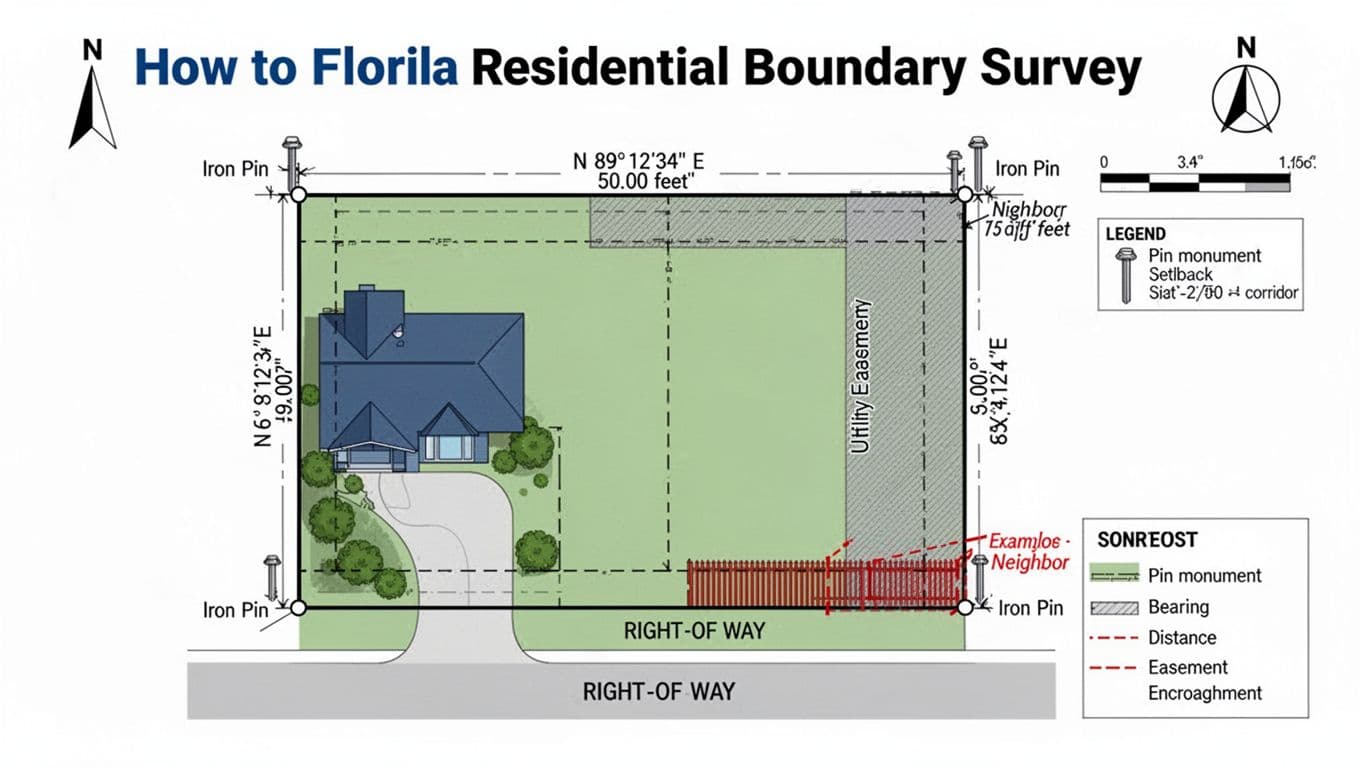
For a property access agreement with notary template virginia, the same drafting discipline applies: identify the parties, property, access area, purpose, duration, and execution requirements. Virginia survey and easement documents commonly use detailed bearings, distances, monuments, and parcel references, showing why a precise exhibit can be more useful than a simple street-address description.
International searches require additional caution. A property access agreement with notary template uk may use terminology such as deed of easement, right of way, dominant land, servient land, and title plan. In England and Wales, HM Land Registry guidance treats legal easements and their registration differently from a basic permission arrangement, so a U.S.-style acknowledgment block should not simply be transplanted into a UK transaction.
Similarly, a property access agreement with notary template australia should be adapted to the relevant state or territory. Australian government guidance illustrates that access and right-of-way easements can be recorded on land titles and may identify the location, measurements, plans, and party benefiting from the right. Terminology and registration procedures vary between jurisdictions, so the property’s actual title and local requirements should control.

Choosing the Right Document Format
People searching for a property access agreement with notary template pdf are often looking for a document that preserves a fixed layout for review and signing. A PDF can be useful as a final presentation format, particularly when the parties need to preserve the exact pages and exhibits that were reviewed. However, a PDF is not inherently more legally effective merely because it has a particular file extension.
Someone searching for a property access agreement with notary template word may instead need an editable drafting format. An editable document can be useful during negotiation because parties can revise clauses, insert legal descriptions, and coordinate exhibits before producing the final signing version. The key issue is not the software format but whether the resulting document accurately reflects the agreed terms.
A search for a property access agreement with notary template printable generally signals a need for a clean signing copy. Before printing, check page breaks, signature blocks, exhibit references, initials, notarial certificates, and the legibility of any attached survey. A document that looks correct on screen can become confusing when printed if an exhibit is separated from the clause that incorporates it.

Some users also search for a property access agreement with notary template excel. A spreadsheet can be useful for organizing property data, dimensions, cost allocations, maintenance schedules, or a checklist of required information, but it is usually not the natural final form for the legal agreement itself. The operative document should present the rights and obligations in coherent legal language and should incorporate any spreadsheet-based information only when that information is suitable for formal use.
Common Mistakes to Avoid
The first common mistake is confusing permission with a property right. If the parties intend a continuing easement, the document should not casually describe the arrangement as a revocable courtesy. Conversely, if the owner intends to permit access only for a short project, the document should not accidentally create broader rights than necessary.
The second mistake is using an incomplete property description. A street address may identify the general property but not the exact access corridor. Where the route is important, a survey, recorded plat, legal description, or carefully prepared exhibit can provide much greater certainty. The parties should verify that the exhibit actually corresponds to the written description before signing.
The third mistake is failing to address future users. If a property is sold, leased, subdivided, or transferred, the parties should know whether the access right is intended to continue and who may exercise it. If contractors, tenants, guests, successors, assigns, or utility operators are permitted to use the route, the agreement should say so rather than relying on assumptions.

Practical Solution
The most practical way to prepare a property access agreement is to begin with the property records rather than with a generic clause library. Collect the current deed or title information, parcel identifiers, existing surveys, recorded easements, relevant plats, and the full legal names of the parties. Then identify the actual access problem: who needs access, over whose land, for what purpose, along which route, for how long, and under what conditions.
Next, draft the agreement around that specific situation. Start with the parties and property, then describe the access area and purpose. Add duration, permitted users, access methods, maintenance, repairs, damage, restrictions, notices, dispute procedures, and any other provisions that are genuinely relevant. If the arrangement is intended to create a continuing easement, state that intention clearly and have the document reviewed for the requirements applicable to the property’s jurisdiction.
Before signing, compare every textual reference against the survey or exhibit. Confirm names, parcel numbers, legal descriptions, dimensions, dates, and access points. Confirm that every owner who must sign has been identified. Confirm that the notarial certificate is appropriate for the signing location. If recording is intended, check the applicable recorder or land registry requirements before execution rather than discovering a formatting or acknowledgment problem afterward.
Finally, treat the completed agreement as a property record rather than merely a neighbor-to-neighbor note. Keep the signed document and exhibits together, preserve the version that was actually executed, and record it when the legal strategy calls for recording. If the agreement affects title, financing, subdivision, development, or a permanent right of way, professional legal review is particularly valuable because a small drafting error can have consequences long after the original parties have moved on.

Practical Checklist Before Signing
Use the following checklist to review the document as a complete property-access package rather than focusing only on the signature page. The objective is to make the agreement understandable to someone who was not involved in the original negotiation, including a future owner, title professional, surveyor, lender, recorder, or court.
- Parties: Confirm the complete legal names and signing authority of every required party.
- Property: Confirm the street address, parcel identifier, and legal description against reliable property records.
- Access area: Confirm the route, width, boundaries, starting point, ending point, and any attached survey or plan.
- Purpose: State exactly why access is permitted and identify uses that are outside the grant.
- Duration: State whether the right is temporary, conditional, renewable, or intended to continue with the land.
- Users: Identify whether contractors, tenants, successors, guests, agents, or other authorized persons may exercise the right.
- Maintenance: Assign routine maintenance, repairs, resurfacing, drainage, vegetation work, and extraordinary improvements.
- Damage: Explain restoration responsibilities when access causes physical damage.
- Restrictions: Address gates, parking, vehicles, hours, obstruction, construction activity, and other material limitations.
- Notarial execution: Confirm the acknowledgment or other certificate is suitable for the signing jurisdiction.
- Recording: Determine whether the document should be recorded and verify the applicable submission requirements.
- Exhibits: Make sure every referenced map, survey, or legal description is attached and labeled correctly.
A property access agreement becomes much more useful when it anticipates the questions that could arise later. The best document is not necessarily the longest one. It is the one that clearly defines the intended right, identifies the affected land, establishes practical responsibilities, and uses execution and recording procedures appropriate to the transaction.

Reference Examples
A property access agreement with notary Template is easiest to understand when its written clauses are considered alongside the kinds of maps and document layouts used in real property transactions. The examples below illustrate recurring visual features such as grantor and grantee fields, legal descriptions, easement corridors, survey boundaries, bearings, distances, right-of-way labels, and notarial areas. They should be treated as visual references rather than universal forms. The exact wording, execution procedure, recording requirements, and property description needed for a particular transaction depend on the jurisdiction and the nature of the access right being created.
These reference images also demonstrate why a strong access document normally connects its legal language to identifiable property information. A survey can show where an access strip lies, while the agreement explains who may use it, for what purpose, and under what conditions. Looking at both elements together helps readers recognize the difference between a general permission to enter land and a carefully defined property right. The examples also show why a document should be checked for consistency before signing: names, parcel references, measurements, exhibits, signature blocks, and acknowledgment language should all describe the same transaction.
Real Estate Driveway Easement Agreement Form
Source: SampleForms.com

Access Easement Agreement
Source: SampleForms.com

Plotted Easements Map for Lot 89, Moraga Estates
Source: iGlobezMaps LLC

Lenz-Rice Subdivision Plat
Source: Realtor.com

Botetourt County Land Survey
Source: Zillow
