A sap crm functional consultant cover Template should do more than place a candidate’s contact details above a few paragraphs of generic career history. It should connect functional consulting experience with the business outcomes expected from an SAP CRM role. Current role descriptions commonly emphasize requirements workshops, fit-gap analysis, functional design, configuration, testing, integration, documentation, user training, and post-go-live support. The strongest letter therefore gives the hiring team a concise explanation of how the candidate turns business requirements into workable CRM processes.
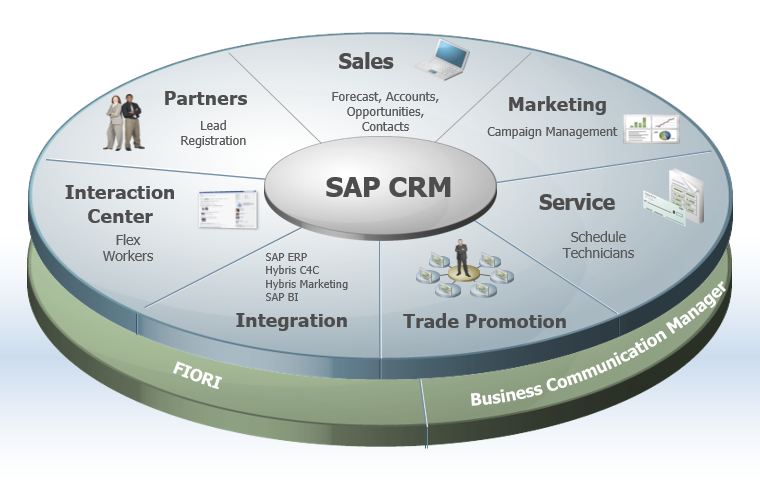
The terminology also matters. SAP CRM functional consulting can cover sales, service, marketing, interaction center, business partner management, order management, CRM Web UI, middleware, and integration with ERP or newer SAP customer-management landscapes. A useful template gives these areas enough context to demonstrate competence without turning the letter into a technical inventory. The goal is to make the candidate’s experience understandable to both a recruiter and a functional or project lead.
Research into current SAP CRM-oriented vacancies shows a recurring pattern: employers want consultants who can bridge business and technology. They look for people who can gather requirements, translate them into functional specifications, configure appropriate processes, coordinate with technical teams, test the result, train users, and support the solution after release. That makes a targeted cover letter particularly useful because it can connect those capabilities into one coherent professional story.

What the Template Should Communicate
The central purpose of the letter is to answer three questions quickly: what kind of SAP CRM consultant is this candidate, what relevant problems can the candidate solve, and why does that experience fit this particular position? A good structure makes those answers visible rather than forcing the reader to infer them from a long list of technologies. The opening should identify the target position and immediately establish the candidate’s strongest area of relevance.
For example, a consultant focused on sales processes could emphasize lead management, opportunity management, quotations, sales orders, pricing, business partners, and ERP integration. A service-oriented consultant might instead highlight service requests, service orders, installed bases, service confirmations, warranties, interaction center processes, and field-service coordination. Someone with broader experience can connect sales, service, and marketing while identifying one or two areas in which their expertise is deepest.
The template should also make the candidate’s level clear. A junior consultant needs to demonstrate learning ability, process knowledge, project exposure, testing discipline, and communication skills. A mid-level consultant can emphasize independent requirements analysis, configuration, defect resolution, integration coordination, and user support. A senior consultant or lead should show ownership of solution design, stakeholder workshops, delivery decisions, mentoring, risk management, and cross-functional leadership.

A useful visual reference is an account-oriented CRM screen because it illustrates the type of business context a functional consultant must understand. The consultant is not merely configuring fields; the consultant is shaping how customer information, activities, opportunities, and related processes are organized for users. That distinction should influence the language used in the letter.
When describing experience, prefer evidence over broad claims. Instead of saying that you are an expert in SAP CRM, explain that you gathered requirements for a customer-service process, translated them into functional specifications, configured the relevant transaction flow, coordinated development, executed integration testing, and supported user acceptance. This sequence demonstrates competence more convincingly because it mirrors the actual delivery lifecycle.
The same principle applies to communication skills. A functional consultant often acts as the connection between business stakeholders and technical specialists. A strong letter can demonstrate this by describing workshops, process walkthroughs, defect triage, configuration decisions, training sessions, or documentation responsibilities. These examples show that the candidate can operate in both business and technical conversations.

Core Sections of a SAP CRM Functional Consultant Cover Letter
A practical structure normally begins with a professional header containing the candidate’s name, location, telephone number, email address, date, employer name, and recipient information when available. The visual design should be restrained. A hiring manager should immediately see where the letter begins, who wrote it, which role it concerns, and how to contact the candidate. Excessive graphics, multiple columns, decorative icons, or unusual typography can make the document harder to scan.
The greeting should be specific when reliable information is available. Using the hiring manager’s name is preferable to a generic salutation, but a simple “Dear Hiring Manager” is acceptable when the recipient cannot be established confidently. The opening paragraph should name the role and present a concise value proposition. It should not spend most of its space explaining that the candidate is excited about having a career in technology.
The body should normally contain two focused sections. The first can establish functional depth by connecting the candidate’s experience with the requirements of the position. The second can provide a project example, business result, integration challenge, or stakeholder situation that demonstrates how that knowledge was used. The closing then reinforces fit, expresses interest in discussing the role, and provides a professional sign-off.

Header and Opening
The header should be compact and professional rather than visually dominant. Include only information that helps the employer identify and contact the candidate. If a professional profile is relevant, it can be listed as a simple text address. The date should match the submission date, and the employer information should be checked carefully so that a previous company’s name does not remain in a reused document.
The opening paragraph should establish relevance within three or four sentences. A useful formula is role plus experience plus functional strength plus business value. For instance, a candidate could state that they are an SAP CRM functional consultant with experience supporting sales and service processes, requirements workshops, configuration, testing, and ERP integration, followed by a sentence explaining the type of project environment in which that experience was developed.
Avoid opening with a vague statement such as “I am writing to express my interest in your company.” That sentence consumes valuable space without differentiating the candidate. A stronger opening identifies the position and immediately connects the candidate’s experience to a requirement visible in the vacancy. If the position emphasizes service management, the first paragraph should make service-process experience easy to find.

Functional Experience Paragraph
The functional experience paragraph should show how the candidate works rather than simply naming modules. For example, “configured SAP CRM sales processes” is useful, but “translated sales requirements into transaction types, partner determination, pricing logic, follow-up documents, test scenarios, and user guidance” gives a much clearer picture of capability. The second formulation also creates several natural points for a hiring manager to ask about during an interview.
Experience should be tailored to the position. A role focused on customer service should give greater weight to service requests, service orders, installed-base information, categorization, interaction records, and service confirmations. A sales role may emphasize lead-to-order processes, opportunity management, quotation handling, sales orders, pricing, product data, and integration with ERP sales functions.
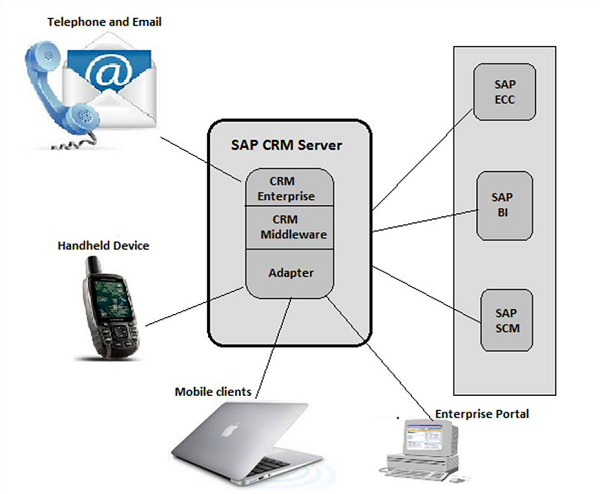
Integration experience deserves careful wording because functional consultants are rarely expected to perform every technical task themselves. It is credible to say that the consultant defined interface requirements, documented mappings, coordinated with middleware or development specialists, analyzed failed transactions, and validated end-to-end results. It is less credible to claim ownership of every technical layer when the candidate’s actual responsibility was functional coordination.
Showing SAP CRM Knowledge Without Turning the Letter Into a Keyword List
Keyword alignment is useful, but a cover letter should still read like professional communication. If a vacancy requests CRM Web UI, Business Partner, Interaction Center, middleware, sales, service, testing, and integration, the candidate can reference the most relevant terms inside complete sentences. The reader should understand how those capabilities were used rather than seeing a paragraph that looks like a database export.
Business Partner knowledge is a good example. SAP documentation describes business partner roles as classifications that represent the functions a partner can have in business transactions. In a consulting context, this can translate into experience with master-data structures, partner functions, relationships, organizational assignments, and downstream data exchange. A candidate can therefore explain how they handled business-partner requirements instead of simply writing “Business Partner expert.”
The same principle applies to opportunity management. SAP describes an opportunity as a business transaction representing a recognized possibility to sell products or services, including information such as the prospective customer, products, expected sales volume, probability, closing date, and sales stage. A consultant’s letter becomes stronger when it explains how those business concepts were supported through configuration, process design, reporting, or integration.

Technical terminology should always be accurate. If the candidate worked primarily with SAP CRM 7.0, it is better to state that directly than to imply experience with every current SAP customer-experience product. If the candidate has moved into SAP S/4HANA Customer Management or related customer-service capabilities, that transition can be explained separately. Accuracy protects the candidate from questions that expose inflated claims.
Current roles also show that employers value documentation. Functional specifications, configuration documents, process descriptions, test scripts, user guides, training materials, and support records can all be relevant evidence. Mentioning documentation is especially useful when the candidate has worked in environments where functional decisions needed to be reviewed and approved by business stakeholders before technical realization.
A strong letter therefore balances three dimensions: functional knowledge, delivery behavior, and business communication. Functional knowledge demonstrates that the candidate understands CRM processes. Delivery behavior shows that the candidate can move work from requirements through testing and release. Communication demonstrates that the consultant can explain decisions to people who may not share the same technical background.

Using Projects and Achievements Effectively
Project examples are often the strongest part of the letter because they give context to the candidate’s skills. A useful example identifies the business situation, the consultant’s responsibility, the work performed, and the resulting improvement or project milestone. If exact business results are confidential, the candidate can describe the outcome without inventing numerical claims.
Consider a hypothetical example in which a consultant supported a customer-service transformation. The consultant might have facilitated workshops, documented the current process, identified gaps, designed the target process, configured service-request categories and transaction behavior, coordinated an interface change, created functional test cases, supported user acceptance testing, and prepared training material. This is more informative than a sentence claiming responsibility for “end-to-end CRM implementation.”
Another hypothetical example could involve sales order integration. The consultant may have gathered requirements from sales operations, mapped the CRM process to ERP fulfillment requirements, documented field behavior, coordinated interface development, tested quotes and orders, investigated replication errors, and supported production stabilization. Such a story demonstrates process understanding while showing the consultant’s ability to work across system boundaries.

Achievements should be expressed honestly. If the candidate has a verified metric, such as a documented reduction in defect volume or processing time, it can be included. If no verified metric exists, describe the outcome qualitatively: improved process consistency, clearer requirements, smoother testing, better user readiness, fewer recurring support issues, or more reliable integration monitoring. Precision is more persuasive than exaggerated performance claims.
Project descriptions should also make personal responsibility clear. “The team implemented CRM” does not reveal what the candidate did. “I led the requirements workshop and prepared the functional specification” is clearer. For collaborative work, explain the candidate’s part and identify the other groups involved, such as ABAP developers, integration specialists, business analysts, testers, project managers, or business representatives.
Senior candidates can add governance and leadership evidence. Examples include reviewing functional designs, coordinating multiple workstreams, mentoring consultants, managing stakeholder expectations, assessing change requests, preparing estimates, supporting cutover planning, or leading defect prioritization. These details distinguish senior consulting capability from simple system familiarity.

Formatting Choices That Make the Template Easier to Read
The safest visual direction is a clean one-page business letter. A restrained header, readable typeface, consistent spacing, normal margins, and clear paragraph breaks are usually more useful than decorative design. The letter should look like a professional consulting document, not a marketing brochure. This is especially important for SAP roles because the content itself should demonstrate clarity, precision, and attention to process.
Avoid placing important achievements inside sidebars or graphical blocks. Some recruitment systems and human reviewers prefer straightforward text structures, and unusual formatting can make content harder to interpret. A conventional hierarchy also makes it easier for a hiring manager to compare the letter with the candidate’s resume and identify the same core strengths.
Keep the letter focused. A standard version can often fit on one page with an opening, two body paragraphs, and a closing. Senior candidates with unusually complex project histories may need more space, but additional length should be justified by relevant evidence. The objective is not to reproduce the resume; it is to explain the most important relationship between the candidate’s experience and the employer’s needs.

Word, PDF, PowerPoint, and Spreadsheet Considerations
Different document formats serve different purposes. A Word version is convenient when an employer or recruiting workflow requires an editable business document. A PDF is useful when the candidate wants the visual layout to remain stable across devices. A PowerPoint format can make sense for an internal career portfolio or presentation, but it is generally not the natural format for a conventional cover letter. A spreadsheet format is even less appropriate for the letter itself.
That distinction matters when evaluating searches for sap crm functional consultant cover template word, sap crm functional consultant cover template pdf, sap crm functional consultant cover template powerpoint, and sap crm functional consultant cover template excel . These phrases describe format-oriented searches, but the underlying content requirement remains the same: a credible letter that is easy to read, edit, review, and submit.
For candidates researching sap crm functional consultant cover template ppt, the useful lesson is to treat presentation slides as a portfolio aid rather than automatically turning the cover letter into a slide deck. Similarly, someone searching for sap crm functional consultant cover template download should verify the provenance and content of any resource before using it. A template is a starting structure, not evidence that its wording fits every employer or role.

The phrase sap crm functional consultant cover template free also reflects a common search intention: candidates want a practical starting point without unnecessary complexity. The important quality test is not price but usefulness. A suitable template should provide a professional structure while leaving enough room for the candidate’s own achievements, project details, and role-specific evidence.
Likewise, the search phrase sap crm functional consultant cover template free download suggests that readers may be looking for a ready-made document. Before using any externally sourced material, check whether the wording is current, whether examples are realistic, whether placeholders have been replaced, and whether the format preserves readable text. A polished-looking document with generic or inaccurate SAP claims can be less useful than a simple original letter.
The strongest workflow is to choose a clean structure, copy the basic section order, and then rewrite every substantive paragraph around the target vacancy. That approach preserves formatting efficiency without allowing the template to dictate the candidate’s professional story.

How to Tailor the Letter to Different SAP CRM Roles
For a sales-focused position, emphasize lead-to-cash understanding, opportunity management, quotations, sales orders, product information, pricing, partner determination, and ERP integration. A strong example could describe how you supported a sales process from requirement workshops through configuration, testing, and stabilization. Mention the business problem first and then explain the SAP CRM work that addressed it.
For service-focused positions, emphasize service requests, service orders, installed-base data, service contracts, complaints, confirmations, categorization, interaction records, and support processes. Current SAP-oriented role descriptions frequently connect service management with testing, user training, documentation, and integration. The letter should therefore show not only configuration knowledge but also an understanding of how service processes affect operational teams.
For interaction-center positions, discuss account identification, interaction records, scripts, queues, service requests, activities, communication channels, and agent workflows when those areas genuinely match the candidate’s experience. For marketing-oriented roles, relevant subjects may include campaigns, target groups, segmentation, lead management, campaign execution, and the relationship between marketing activity and sales follow-up.

For senior consulting positions, broaden the story toward solution ownership. Explain how you facilitated workshops, assessed fit and gaps, guided configuration decisions, reviewed specifications, coordinated integration, managed testing, supported deployment, and handled post-release issues. Seniority is demonstrated by ownership and judgment, not merely by the number of SAP terms included in a paragraph.
For junior candidates, avoid apologizing for limited experience. Instead, emphasize relevant academic work, training, project exposure, business-process understanding, testing discipline, documentation ability, and willingness to learn. If you supported a senior consultant during requirements workshops or testing, describe exactly what you contributed. Credible detail is stronger than pretending to have led an entire implementation.
For consultants moving from another ERP or CRM platform, the letter can focus on transferable functional capabilities. Requirements analysis, process mapping, master-data concepts, testing, stakeholder management, documentation, and integration coordination are relevant across enterprise systems. Then explain the SAP CRM knowledge that has been developed and identify the areas where additional exposure is being gained.

Common Mistakes to Avoid
The first mistake is copying a generic letter and changing only the company name. Recruiters can usually see when a paragraph could have been sent to any employer. A targeted letter should mention the actual position, one or two requirements from the vacancy, and evidence showing why the candidate can address those requirements.
The second mistake is confusing technical vocabulary with functional expertise. Listing ABAP, middleware, Web UI, IDocs, BAPIs, pricing, business partners, and service management does not automatically demonstrate competence. Explain the business situation in which those technologies or functions were relevant and identify what you personally delivered.
The third mistake is making unsupported claims. Do not invent project savings, customer satisfaction percentages, transaction volumes, certifications, client names, or implementation outcomes. If a result is confidential, describe the nature of the improvement without manufacturing a number. If a scenario is only an illustrative example, keep it clearly hypothetical.

Another common issue is failing to distinguish SAP CRM from adjacent products. SAP’s customer-management portfolio has evolved, and terminology can vary between SAP CRM, SAP S/4HANA Customer Management, SAP Sales Cloud, and related customer-experience offerings. A candidate should describe the systems and versions they actually used rather than treating all SAP customer-management products as interchangeable.
Formatting errors can also undermine otherwise strong content. Common problems include inconsistent dates, old employer names, placeholder text, missing contact details, overly dense paragraphs, excessive color, and unexplained abbreviations. Before submission, read the letter as if you were the hiring manager and check whether the most important evidence can be identified within a short first pass.
Finally, avoid repeating the resume word for word. The resume can provide a chronological record of positions and responsibilities. The cover letter should provide context: why a particular project matters, how a specific strength fits the vacancy, or what kind of business challenge the candidate enjoys solving.

Practical Solution
Start by extracting five to seven requirements from the target SAP CRM vacancy. Group them into functional knowledge, project delivery, technical coordination, and communication. Then identify one real example from your background for each important group. This creates the evidence base for the letter before any wording is written. If the vacancy asks for requirements gathering, configuration, testing, integration, and user training, your examples should address those areas directly rather than relying on broad statements.
Next, build a one-page structure with a compact header, a targeted opening, two evidence-based body paragraphs, and a concise closing. In the opening, state the role and strongest area of fit. In the first body paragraph, describe your most relevant functional experience. In the second, tell one project story that demonstrates delivery, collaboration, and business understanding. In the closing, reinforce the value you can bring and invite a discussion.
Then perform a requirement-to-evidence check. For every major skill mentioned in the letter, ask whether you can explain where and how you used it. If the answer is no, remove the claim or qualify it honestly. This simple check prevents keyword-heavy letters from overstating experience and prepares the candidate for technical and behavioral interview questions.

After the first draft, compare it with the vacancy again. Replace generic phrases with the employer’s actual business context where appropriate. If the role emphasizes service transformation, make service examples prominent. If it emphasizes sales integration, bring the lead-to-order or order-to-cash story forward. If it emphasizes support, discuss incident analysis, defect resolution, documentation, and user communication.
The final review should cover factual accuracy, consistency with the resume, grammar, dates, employer names, SAP terminology, and document appearance. Remove unsupported numbers and replace vague statements with evidence. Confirm that every placeholder has been replaced and that the final file opens correctly in the intended format. The result should feel written for one position, even if the underlying structure is reusable.
For a candidate who wants a particularly strong result, maintain a master version containing several verified project stories: one sales example, one service example, one integration example, one testing example, and one stakeholder or leadership example. For each new vacancy, select only the stories that match the role. This makes tailoring faster while preserving authenticity.
Building a Strong Example Paragraph
A useful paragraph can follow a simple evidence sequence: situation, responsibility, action, and outcome. Suppose a candidate supported an SAP CRM service implementation. The situation could be a fragmented service-request process. The responsibility could involve requirements analysis and functional design. The action could include workshops, configuration, test preparation, defect analysis, and user training. The outcome could be improved process consistency or successful transition into production, provided that outcome is accurate.
For a sales consultant, the same structure might describe a lead-to-order process. Explain the business requirement, identify the candidate’s responsibility, describe the CRM configuration and integration work, and state the verified project outcome. If the project involved ERP integration, mention the coordination with the technical team and the testing performed across both systems.
For an experienced consultant, the paragraph can include a second layer of complexity: stakeholder alignment. A consultant may have faced competing requirements from sales, service, finance, or IT. Explaining how those requirements were analyzed, prioritized, documented, and converted into a workable design demonstrates consulting judgment rather than simple system familiarity.
Using Visual References to Improve Your Own Document
Visual references can help a candidate evaluate layout, hierarchy, density, and information order. The most useful comparison is not whether a template looks attractive, but whether the reader can immediately locate the candidate’s identity, target role, strongest qualification, supporting evidence, and closing request. A clean page with strong hierarchy usually communicates more effectively than a highly decorated design.
CRM screenshots can also help candidates identify the business terminology that belongs in their experience story. Account management, opportunities, service orders, product information, sales transactions, and interaction records represent different functional contexts. When a vacancy emphasizes one of these areas, the candidate can select examples that demonstrate actual familiarity with the associated process rather than relying on generic CRM language.
Document references are especially useful when preparing a letter for a role involving functional specifications or process design. They can remind candidates to describe artifacts they genuinely created or reviewed, such as business-process documents, functional specifications, test scenarios, configuration workbooks, training guides, and support procedures. These details often distinguish functional consulting from general software experience.

The visual above is particularly relevant to service-focused consulting because it shows how a service transaction can contain structured business information. A candidate with comparable experience can describe how they worked with service-order fields, categorization, reference objects, status, dates, or follow-up processing, but only when those responsibilities are supported by their own project history.
Similarly, product-catalog screens can inspire more precise language for sales-oriented letters. Instead of writing that you “worked with product data,” explain whether you handled product search, catalog integration, product selection, pricing, availability, or order-entry requirements. Specificity gives the hiring team a clearer picture of the functional scope.
Opportunity screens are another useful reference because they connect CRM functionality with business-development processes. If your experience includes opportunity stages, probability, forecast information, products, contacts, or follow-up transactions, explain the process and your role in configuring or supporting it. Do not simply reproduce interface labels without describing what they meant in the project.

Making the Closing Paragraph Work
The closing should be confident but restrained. Restate the strongest reason you fit the role and express interest in discussing the position. Avoid exaggerated statements about being the perfect candidate. A consultant can confidently say that their combination of CRM process knowledge, delivery experience, and stakeholder communication aligns with the requirements without claiming certainty about the employer’s final decision.
If the vacancy emphasizes a particular business transformation, reference it briefly. For example, a consultant with service experience could express interest in contributing to customer-service modernization and process standardization. A sales consultant could mention the opportunity to improve lead-to-order processes and integration between front-office and back-office functions. This makes the closing feel connected to the employer rather than copied from a generic career letter.
Before sending the document, verify the recipient, company name, position title, dates, and every project reference. Check that the letter does not contradict the resume. If the resume says a candidate supported a project, the cover letter should not suddenly claim that the candidate led it. Consistency is particularly important for consulting roles because interviewers often explore project responsibilities in detail.

Reference Examples
Reference examples for a sap crm functional consultant cover Template are most useful when they are treated as visual study material rather than wording to reproduce. A good reference can show how a professional document establishes hierarchy, separates contact details from the narrative, and keeps the main message readable. SAP CRM interface examples add another dimension by showing the business objects and process areas that a consultant may need to explain in a targeted letter, including opportunities, service transactions, products, accounts, and customer interactions.
The following references focus on SAP CRM screens and functional-process visuals that can help a candidate connect document content with real consulting responsibilities. They can be used to evaluate which functional area best matches the target vacancy and to decide which project evidence deserves emphasis. The images should not be treated as substitutes for a candidate’s own experience; they are visual context for writing a more precise and credible letter.

SAP CRM Service Confirmation Details
Source: SAP Community

SAP CRM Quotation Details Screen
Source: SAP Community

SAP CRM Create Installed Base Detail Screen
Source: SAP Community
SAP CRM Service Order Creation Screen
Source: SAP Community
SAP CRM 7.0 Integrated Product Catalog in Sales Order
Source: SAP Community
