Searches for a law firm Threads template can mean several different things. Some people want a visual social post design, while others want a writing framework for a text-based thread. Others are actually looking for a downloadable document that can be edited in Word, Google Docs, Excel, or PDF. Understanding that distinction is important because a strong visual template and a strong editorial template solve different problems.
Template resources currently show that legal professionals can find editable designs for social posts, legal documents, checklists, reports, and other business materials. For example, Template.net publishes a dedicated Law Firm Threads Post template described as editable and customizable for professional legal discussions. The same platform also offers legal templates in multiple document formats, making it possible to build a workflow around both social content and internal documentation.
For a law firm, consistency matters more than decoration. A recognizable opening, clear subject line, restrained visual identity, useful explanation, and appropriate closing can make a series of posts easier to produce and easier for readers to understand. A template should therefore reduce repetitive production work while leaving enough flexibility for different practice areas, jurisdictions, audiences, and legal topics.
This guide explains what a law firm Threads template should contain, how to build one, how to adapt it for different file formats, how to use it responsibly, and how to turn one idea into a complete thread without making the content sound automated or promotional.
What Is a Law Firm Threads Template?
A law firm Threads template is a repeatable structure for creating a sequence of social posts aimed at explaining legal topics, commenting on developments, answering common questions, presenting professional insights, or directing readers toward a firm’s broader educational resources. The word “template” can refer to the written structure, the visual design, or a combination of both.
A writing template might contain fields such as topic, audience, opening statement, key point one, key point two, practical example, caution, conclusion, and call to action. A visual template might define the logo position, typography, colors, margins, headline area, footer, and preferred graphic treatment. A complete system combines both so that the firm’s message remains consistent without making every post identical.
Threads is particularly suited to short-form conversations because an idea can be divided into connected posts instead of being compressed into one large block of text. That makes the format useful for legal education. A firm can introduce a question, explain the relevant principle, illustrate it with a hypothetical example, identify a common misunderstanding, and finish with a practical takeaway.
The most important distinction is between a template and legal advice. A template organizes communication; it does not determine whether a particular statement is legally correct in a particular jurisdiction. Every substantive post should therefore be checked against the law, regulations, professional guidance, and facts applicable to the audience being addressed.
A good template also makes review easier. If every draft follows the same basic sequence, an editor can quickly check whether the post has a clear purpose, whether factual claims have been verified, whether confidential information has been excluded, and whether the wording creates an unnecessary impression that a general educational post is individualized legal advice.
Why Law Firms Use Thread Templates
Legal professionals often have more ideas than time. A partner may have a useful observation about a recent judgment, a solicitor may want to explain a recurring client misunderstanding, and a marketing team may have several topics planned for the month. Without a repeatable structure, each idea can require a new drafting process.
A template turns content creation into a sequence of decisions. First identify the audience and question. Then decide the central point. Next divide the explanation into logical steps. Finally, review the language and add an appropriate closing. This reduces the temptation to begin writing immediately and discover halfway through that the post has no clear argument.
Templates also support brand consistency. A firm does not necessarily need every post to look identical, but recurring visual elements can make its content recognizable. A restrained color palette, consistent heading treatment, logo placement, and typography can create a professional identity while allowing individual posts to address different subjects.
Consistency is especially useful when several people contribute. One associate may prefer long explanations, another may write in short sentences, and a marketing specialist may favor promotional language. A shared template establishes a common editorial baseline without requiring everyone to have exactly the same writing style.
There is another practical benefit: templates make performance review easier. When posts follow recognizable categories, a firm can compare educational explainers, myth-busting posts, commentary threads, process guides, and frequently asked question threads as separate content types rather than treating every post as an isolated experiment.
Core Components of a Strong Law Firm Threads Template
The first component should be a topic field. Write the proposed subject in a few words before drafting anything else. “Employment contracts” is broad, while “three clauses employees should understand before signing an employment contract” is narrow enough to guide a useful thread.
The second component should identify the intended reader. A thread for business owners should not assume the same knowledge as one written for other lawyers. Likewise, a post explaining a procedural issue to consumers should avoid unnecessary professional terminology unless that terminology is explained.
The third component is the hook. The opening should establish why the topic matters. It could be a question, a misconception, a practical problem, a recent development, or a concise observation. The hook should earn attention through relevance rather than exaggerated claims.
The fourth component is the sequence of supporting points. Each post should perform a specific job. One might define the issue, another might explain the rule, another might provide an example, and another might explain what the reader should consider next. If two posts perform exactly the same function, they can probably be combined.
The final component is the close. A useful closing can summarize the main lesson, invite a legitimate question, point toward a longer educational resource, or encourage readers to save the information. A law firm does not need a hard sales pitch at the end of every thread; credibility can be strengthened simply by providing a clear and useful conclusion.
A Simple Seven-Part Structure
A practical seven-part template can begin with the opening question, followed by a short explanation of the issue. The third post can clarify the relevant legal principle. The fourth can introduce a hypothetical example. The fifth can identify a common mistake. The sixth can explain what readers should check or discuss with an appropriately qualified professional.
The seventh post can provide the takeaway. This structure works because it follows a natural learning sequence: problem, context, principle, example, risk, action, conclusion. It can be shortened when the subject is simple or expanded when the topic requires more explanation.
For a complex subject, the template can include an evidence field beside every substantive claim. That field can record the statute, regulation, judgment, official guidance, or other source used to support the statement. The source does not necessarily need to appear in every social post, but the internal record helps the editor verify the content before publication.
It is also useful to include a “jurisdiction” field. Legal information is rarely universal. A statement that is accurate in England and Wales may not apply in Scotland, the United States, Australia, or another jurisdiction. Explicitly recording the jurisdiction at the drafting stage reduces accidental overgeneralization.
A final internal field should ask whether the thread contains confidential, privileged, personal, or identifying information. That check should happen before publication rather than after an employee has already copied case details into a public draft.
How to Write a Law Firm Threads Template From Scratch
Start by choosing one reader problem rather than one broad legal subject. “Property law” is too wide for a focused thread. “What should a first-time buyer check before exchanging contracts?” gives the writer a clear question and creates an obvious reason for the reader to continue.
Next, define the single takeaway. If readers remember only one sentence after reading the thread, what should that sentence communicate? This prevents the thread from becoming a collection of unrelated observations and gives the writer a standard against which every supporting point can be tested.
Then collect the factual material. Check primary legal sources where possible, together with current official guidance and reliable professional resources. If the topic concerns a recent legal development, verify the date and status rather than relying on a secondary article that may have become outdated.
After research, create a rough outline before writing polished prose. Put the points in the order that a non-specialist would need them. Definitions normally come before consequences, and background normally comes before detailed examples. If the audience is sophisticated, the sequence can be more technical, but it should still remain coherent.
Only after the structure is stable should the writer draft the individual posts. This separation between research and wording is valuable because it prevents attractive phrasing from hiding weak reasoning. It also makes fact-checking easier: the editor can compare the final sentence against the underlying research rather than trying to verify an improvised paragraph.
Example: Turning a Legal Question Into a Thread
Imagine a hypothetical firm wants to explain why a contract review matters before a business signs a supplier agreement. The topic is broad enough to become repetitive, so the template narrows it to three practical checks: termination provisions, liability allocation, and dispute resolution.
The opening could frame the issue as a question: “Before signing a supplier contract, have you checked what happens when the relationship goes wrong?” The next post can explain that the most important provisions are often the ones that determine how parties exit, allocate risk, and resolve disagreements.
The third post can explain termination. Instead of simply telling readers to “check termination,” the writer can describe what to look for: notice periods, termination triggers, cure periods, and any consequences that follow termination. The explanation should remain general and avoid pretending to assess an individual agreement.
The fourth post can address liability. A useful explanation might distinguish between unlimited exposure, contractual caps, exclusions, indemnities, and insurance considerations. Because these concepts can vary significantly by contract and jurisdiction, the thread should avoid implying that one arrangement is always appropriate.
The fifth post can discuss dispute resolution. It might compare the practical questions raised by negotiation, mediation, arbitration, or court proceedings without presenting the comparison as a universal recommendation. The final posts can summarize the three checks and direct readers toward professional review when the agreement is important or complex.
Visual Design Principles for a Law Firm Threads Template
A visual template should be designed for recognition rather than decoration. A reader should be able to identify the firm’s content quickly without having to interpret a complicated graphic. Strong hierarchy usually matters more than elaborate effects.
The first visual decision is typography. Choose a small number of typefaces and define how they are used for titles, supporting text, labels, and calls to action. Legal content often contains unfamiliar terminology, so readability should take priority over stylistic novelty.
Color should also be controlled. A firm can use its existing brand colors, but social media posts should maintain enough contrast for text to remain legible on mobile screens. A template that looks sophisticated on a large monitor may become difficult to read when reduced to a small screen.
Photography should serve a purpose. Legal imagery such as documents, books, scales, a gavel, a courthouse, or an abstract professional background can reinforce context, but imagery should not overpower the legal explanation. For educational threads, a clean text-first layout can be more effective than a photograph-heavy design.
The footer can contain limited brand information, such as the firm’s name or website, but it should not turn every educational post into an advertisement. If the reader cannot comfortably see the substantive information because the design is dominated by branding, the template is working against the content.
Building a Reusable Editorial System
A single template is useful, but a small library of templates is better. A firm can maintain separate structures for legal explainers, case-law commentary, regulatory updates, myth-versus-fact posts, practical checklists, glossary threads, and answers to recurring questions.
The legal explainer template should prioritize definitions and context. The case-law commentary template should identify the decision, summarize the relevant facts, explain the legal issue, describe the holding or development accurately, and discuss why the decision may matter. It should avoid presenting a developing case as settled law.
A regulatory update template should include the date of the change, the authority responsible, the affected audience, the practical consequence, and any implementation date that has been verified. This structure is especially helpful because regulatory information can change quickly.
A myth-versus-fact format can be useful when readers repeatedly misunderstand a legal concept. However, the firm should be careful not to manufacture a controversial “myth” merely to increase engagement. The question should be genuinely common or genuinely useful to address.
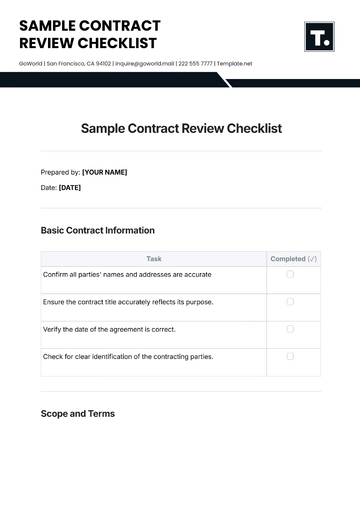
A checklist format can convert well-known advice into a practical sequence. For example, a commercial property thread could present a short pre-signing checklist, while an employment thread could explain several questions an employer should consider when reviewing a workplace policy. The checklist should remain educational rather than implying that completing it guarantees legal compliance.
Using Research and Evidence Effectively
Research is one of the most important differences between a professional legal thread and generic social commentary. The writer should know where each important legal proposition came from, even when the final post uses plain English and does not include formal citations in every sentence.
Primary sources should generally receive priority for substantive propositions. Depending on the subject, these may include legislation, regulations, court decisions, official regulator publications, government guidance, or other authoritative material. Secondary sources can help explain the issue, identify developments, and provide context, but they should not automatically replace the underlying authority.
Every research note should include a date. A template that records only the source title can become dangerous when the law changes. Adding “checked on” or “last verified” allows the firm to identify older content that may need review before being republished.
Research should also distinguish between law and commentary. A sentence saying that a statute requires something is different from a sentence saying that a particular professional body recommends a particular approach. The template can include separate fields for legal requirement, official guidance, professional practice, and the firm’s own commentary.
For developing topics, include a status field. The item might be proposed, announced, enacted, commenced, under appeal, under consultation, or otherwise pending. This prevents a common social-media problem in which a future proposal is described as though it were already binding law.
Data Collection and Content Performance
A content template can also contain simple performance fields. Useful measurements might include views, replies, reposts, profile visits, link clicks, saves where available, and qualitative feedback. The objective is not to chase the highest number on every post but to learn which subjects help the firm’s intended audience.
Performance data should be interpreted cautiously. A highly controversial post may receive substantial interaction without attracting the type of professional audience the firm wants. Conversely, a technical explanation may receive fewer visible interactions while generating valuable enquiries or being shared privately among professionals.
Use categories when analyzing performance. For example, group posts into legal explainers, practical checklists, news commentary, professional insights, and firm announcements. Compare similar formats with similar formats instead of deciding that one topic is successful solely because it received more views than an entirely different type of post.
Record qualitative signals as well. A useful reply from a professional, a request for clarification, or a recurring question can reveal an opportunity for a future article or thread. If several readers ask the same question, that question may deserve its own structured content piece.
A spreadsheet can be particularly useful for this stage. Columns might include publication date, topic, practice area, format, jurisdiction, primary source checked, editor, status, performance indicators, and follow-up idea. This creates a simple content intelligence system without requiring a complicated marketing platform.
Law Firm Threads Template Formats: Free, Downloadable, and Editable Options
People searching for a law firm threads template free often expect a ready-made design that can be edited without purchasing specialized software. Free resources do exist, but “free” should not automatically be interpreted as “free for every commercial purpose.” Before adopting a third-party template, review the provider’s licensing terms and the permitted uses.
A law firm threads template free download may refer to an image file, a document, a presentation, or an editable design. These are not interchangeable. A PNG or JPG may be convenient for visual publishing but difficult to update systematically, while an editable document can provide more control over recurring content.
People searching for law firm threads template google docs usually want a collaborative writing environment rather than a finished graphic. Google Docs can be useful for editorial drafts because several contributors can review the same document, leave comments, and maintain a central source of truth before the text is transferred to the social platform.
A law firm threads template pdf is more useful when the priority is preserving layout for reference, approval, printing, or archiving. PDF is generally better viewed as a distribution or review format than as the primary editing environment for a frequently changing social-content workflow.
A law firm threads template word can be useful when the firm’s existing editorial process relies on Microsoft Word. Word is particularly practical for longer drafting briefs, review notes, approval records, and content calendars that need comments or tracked changes before publication.
When an Excel or Spreadsheet Version Makes Sense
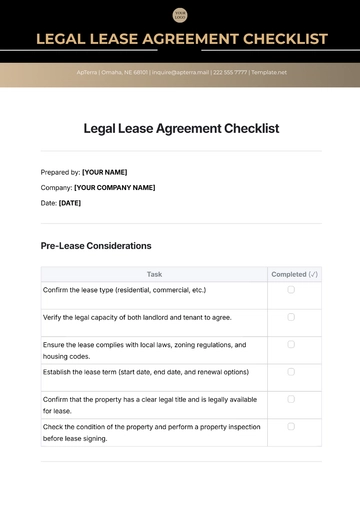
A law firm threads template excel is usually most useful when the objective is content management rather than visual design. A spreadsheet can store dozens or hundreds of proposed topics, assign responsibility, track review status, record source checks, and store publication dates.
A practical spreadsheet can have one row per planned thread. Useful columns include content ID, practice area, topic, target audience, jurisdiction, proposed publication date, status, writer, reviewer, source checked, visual asset, call to action, published URL, and performance notes.
Another worksheet can function as a content bank. Each row can hold a recurring client question, a suggested hook, the relevant legal authority, the date last checked, and possible formats. This turns frequently asked questions into a reusable research resource without forcing the firm to publish every idea immediately.
A third worksheet can track visual assets. It can identify which graphic belongs to which topic, where the editable source file is stored, which brand version was used, and whether the image contains third-party material that requires additional licensing consideration.
The key advantage of a spreadsheet is operational visibility. A partner can see which posts are waiting for legal review, a writer can see which topics are ready for drafting, and a marketing coordinator can see which posts are scheduled. This reduces the risk of publishing a polished post before the underlying legal content has been checked.
Using a Law Firm Website Template Alongside Threads Content
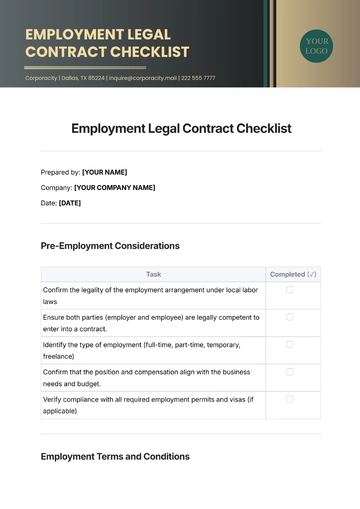
A social thread should not be treated as an isolated marketing asset. A useful law firm website template can provide a destination for longer explanations, practice-area information, attorney biographies, FAQs, articles, and contact information. The social post can introduce an issue while the website provides the deeper context.
Current law firm website template options commonly include pages for services or practice areas, attorney information, contact forms, blogs, FAQs, and other trust-building content. Webflow, Wix, Canva, Squarespace, Yola, and other providers publish different approaches to legal website structures, ranging from visual website builders to coded templates.
The social-to-website relationship should be natural. A thread about a hypothetical employment issue might lead to a general employment-law guide, while a thread about commercial contracts might lead to an educational article explaining contract review considerations. The destination should genuinely expand on the topic rather than merely repeat a sales message.
Website consistency also matters. If the social profile says the firm handles a particular service but the website does not explain that service clearly, the visitor may lose confidence. The same terminology, jurisdiction, practice-area names, and firm information should therefore be checked across the firm’s public channels.
Accessibility and mobile usability should also be considered. Many social readers will encounter the firm on a phone and then visit the website on the same device. A strong template should therefore support clear headings, readable text, obvious navigation, and a straightforward route to relevant information.
Professional and Ethical Considerations
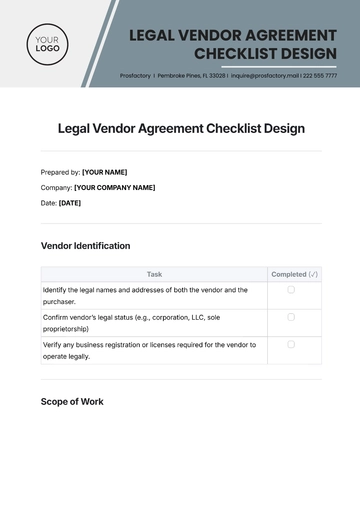
Legal social media requires more than good writing. Lawyers and law firms must consider confidentiality, accuracy, professional conduct, advertising rules, client expectations, and the rules applicable in each jurisdiction. A content template should therefore include an editorial review stage rather than treating publication as purely a marketing decision.
Confidentiality is a particularly important consideration. A writer may believe that a case description has been sufficiently anonymized when the combination of dates, industry, location, facts, and unusual circumstances makes the client identifiable. Avoiding identifying details is safer than trying to disguise a real matter after the fact.
Professional guidance in the United States and elsewhere emphasizes that social-media activity does not remove lawyers’ existing professional responsibilities. The American Bar Association has discussed confidentiality, technology competence, online communications, and other ethical concerns arising from lawyers’ use of social platforms.
UK firms have their own regulatory considerations. The Solicitors Regulation Authority states that publicity about a practice must be accurate and not misleading and restricts unsolicited approaches to members of the public. The SRA also warns that professional standards can apply to inappropriate social-media communications and that firms should consider appropriate systems and controls.
The Law Society of England and Wales also maintains practice guidance on responsible social-media use by solicitors and legal practices. Firms should check current jurisdiction-specific requirements before publishing promotional or substantive legal content, especially when posts concern fees, outcomes, client testimonials, regulated services, or targeted marketing.
How to Adapt a Template for Different Jurisdictions
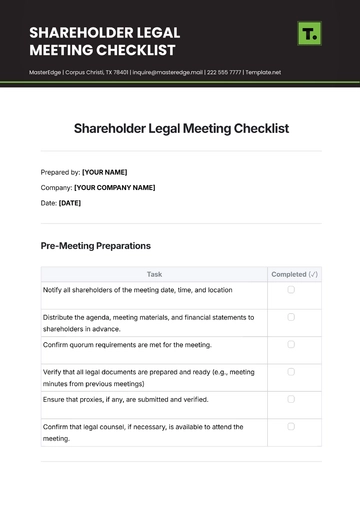
A general template should never contain assumptions that only apply to one jurisdiction unless the template is deliberately designed for that jurisdiction. The safest approach is to make jurisdiction a visible field in the internal drafting document.
For example, a firm serving England and Wales might identify the relevant UK regulatory context, while a US firm may need to specify the state in which the relevant professional conduct rules apply. A multinational firm may need separate review routes for different offices.
A jurisdiction field is especially important when discussing deadlines, filing procedures, consumer rights, employment rules, property transactions, tax matters, or regulatory obligations. Even seemingly basic legal concepts can have materially different rules across locations.
Language should also be localized carefully. Terms such as solicitor, attorney, barrister, counsel, tribunal, court, claim, lawsuit, and complaint can carry different meanings depending on the legal system. A template should not mechanically substitute terminology without checking whether the result is accurate for the intended audience.
For firms working in England and Wales, a dedicated UK version can also include fields for the relevant regulator, professional terminology, jurisdiction, and review date. This does not make the template legally compliant by itself; it simply makes the drafting process more deliberate and easier to audit.
Common Mistakes When Using a Law Firm Threads Template
The first mistake is treating the template as finished content. A template provides structure, not authority. Copying the same sentences into every post can make the firm’s account sound repetitive and can create errors when facts change.
The second mistake is writing for colleagues instead of clients. Legal professionals often underestimate how much specialist vocabulary they use. A thread intended for the general public should explain terms where necessary and focus on practical meaning rather than displaying technical knowledge for its own sake.
The third mistake is overusing promotional language. Readers generally have a reason for following legal content: they want to understand an issue, monitor developments, or learn how a process works. A thread that repeatedly turns educational information into a sales pitch may lose credibility.
The fourth mistake is failing to review old content. A template can make publishing easy, but the law can change. Evergreen-looking content may become inaccurate because of a legislative amendment, new case, regulatory update, procedural change, or altered professional guidance.
The fifth mistake is publishing too quickly. Social media rewards speed, but legal content often benefits from a short pause. A second reviewer may notice an unsupported statement, an ambiguous sentence, an unintended implication, or a confidentiality issue that the original writer overlooked.
Best Practices for Making Threads More Useful
Start with a question readers actually ask. The strongest legal educational posts usually solve a recognizable information problem. Instead of announcing that the firm is “sharing insights,” begin with the issue the reader needs help understanding.
Use plain English without oversimplifying. Plain language does not mean removing every legal term. It means introducing necessary terms and explaining them in context. If a technical word carries an important legal distinction, keeping the word and explaining it is often better than replacing it with an inaccurate synonym.
Use examples carefully. Hypothetical examples can make abstract concepts easier to understand, but label them clearly as examples. Never imply that an invented scenario is a real client matter or a representative outcome unless the firm has a legitimate basis for making that statement.
Make each post earn its place. If removing a post does not damage the explanation, consider deleting it. A concise thread with a logical sequence is usually more useful than a long sequence padded with repeated conclusions.
Finally, create a review checklist that is separate from the writing template. The writing template helps produce the content; the review checklist helps decide whether the content is ready to publish. Keeping these functions separate reduces the temptation to treat a completed draft as an approved draft.
Practical Solution: Build a Complete Law Firm Threads Workflow
The most practical solution is to build a small content system rather than searching for one perfect file. Begin with a master editorial template containing the topic, audience, jurisdiction, objective, hook, key points, example, source record, closing, and review fields. This becomes the firm’s controlled drafting document.
Next, create several visual layouts. One can be text-first, another can support a short headline and supporting graphic, and another can be used for announcements or regulatory updates. Keep the visual identity consistent but allow enough variation to prevent the account from looking mechanical.
Then create a spreadsheet content calendar. Record proposed subjects, assigned writers, reviewers, deadlines, publication status, source-check dates, and follow-up ideas. A separate tab can store evergreen questions and another can track published threads and performance.
Introduce a two-stage review process. The first review should focus on legal substance: accuracy, jurisdiction, sources, dates, and appropriate qualification. The second should focus on communication: clarity, tone, readability, formatting, and whether the thread actually answers the question introduced at the beginning.
Finally, establish an update cycle. High-risk or fast-changing topics should be reviewed more frequently than stable educational material. When the law changes, identify every published thread that relies on the affected rule and decide whether it should be updated, annotated, or withdrawn.
A Practical Approval Checklist
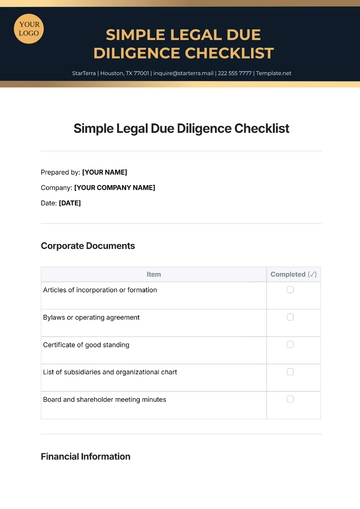
Before publication, confirm that the subject has a clearly defined audience and jurisdiction. Confirm that the central proposition is supported by reliable research and that the source has been checked recently enough for the topic. Confirm that the thread does not accidentally present general information as personalized legal advice.
Check every factual statement that could change over time. Dates, thresholds, procedures, regulatory positions, filing requirements, and descriptions of recent cases deserve particular attention. A template can include a “time-sensitive” checkbox so that reviewers know which posts require more frequent maintenance.
Review names, quotations, links, and references separately. Small transcription errors can undermine an otherwise strong legal post. Where a post mentions a case or official document, verify the title and relevant details against the authoritative source rather than copying from a secondary summary.
Review confidentiality and privacy before publication. Remove identifying details from hypothetical or educational scenarios unless there is a legitimate reason to publish them and the necessary permissions or legal basis have been established. Avoid screenshots or documents that reveal client information, internal correspondence, or confidential metadata.
Finally, read the thread from the perspective of a non-lawyer. Ask whether the reader can understand the main point without additional context. If the answer is no, improve the explanation rather than simply adding more technical language. The best template is the one that helps professionals communicate complex information clearly and responsibly.
Reference Examples
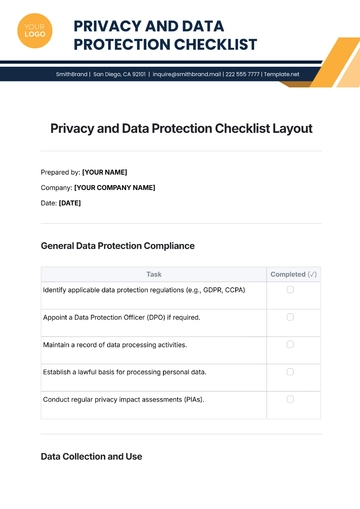
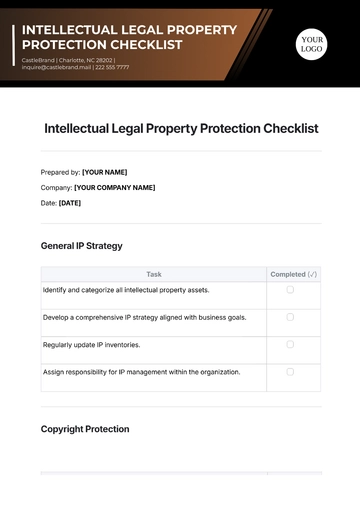
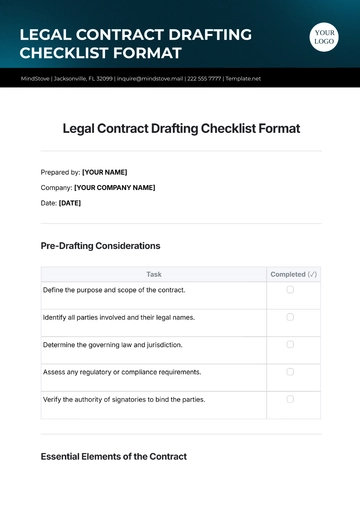
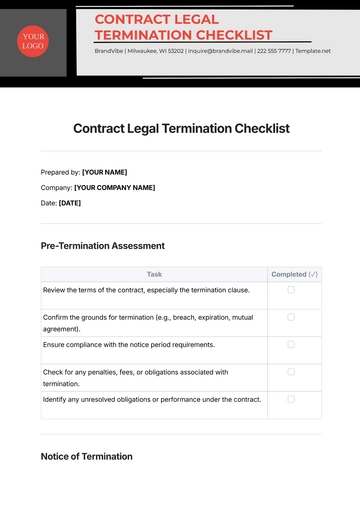
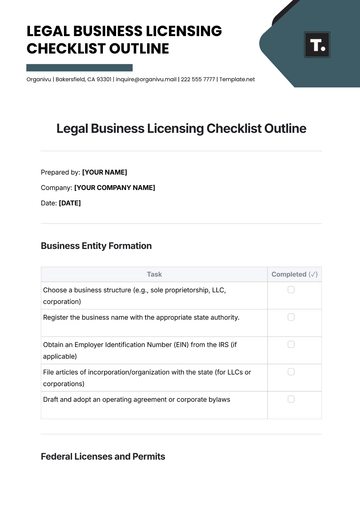
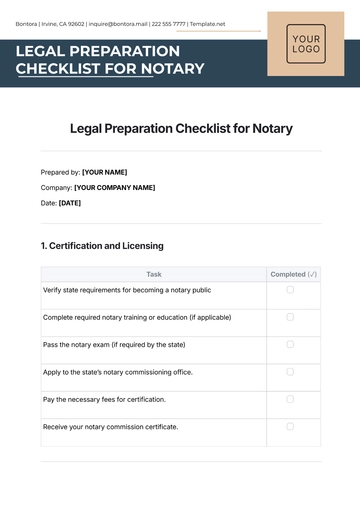
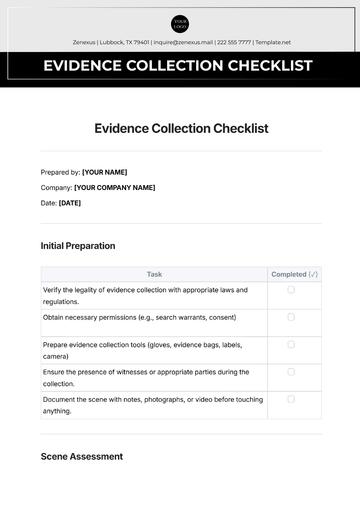
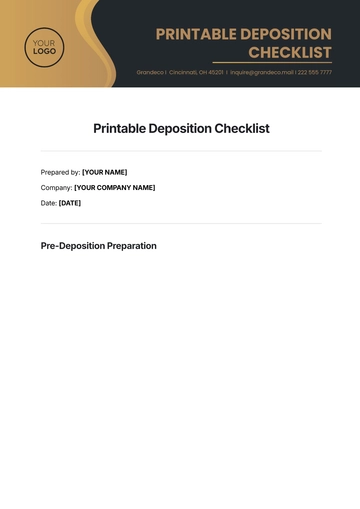
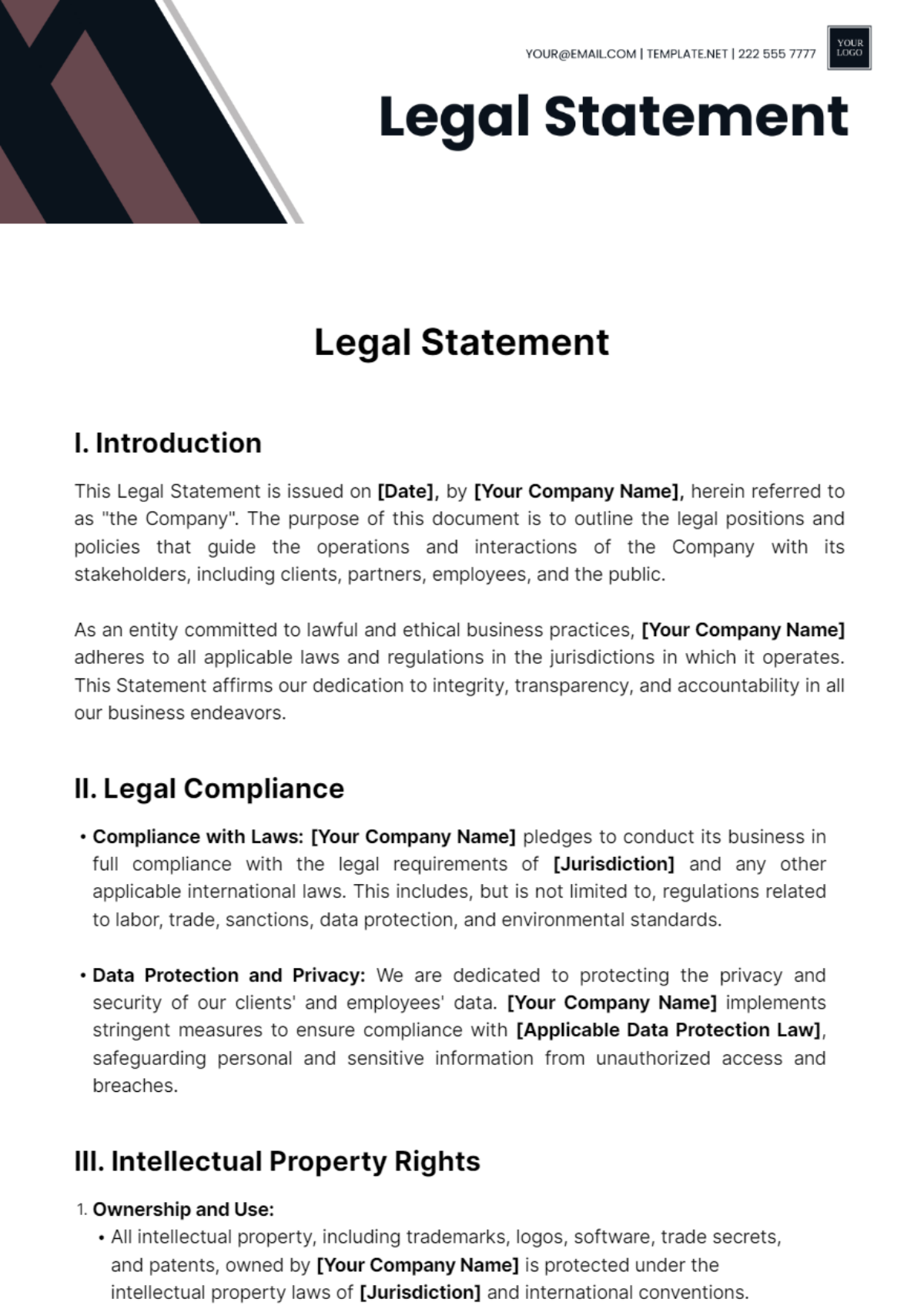
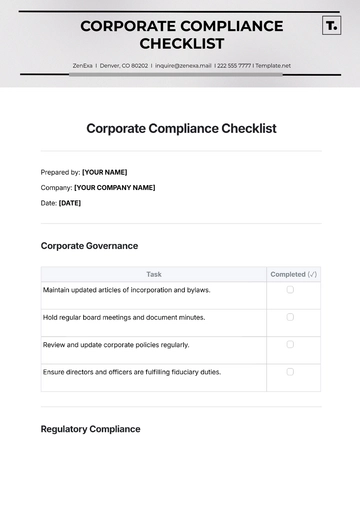
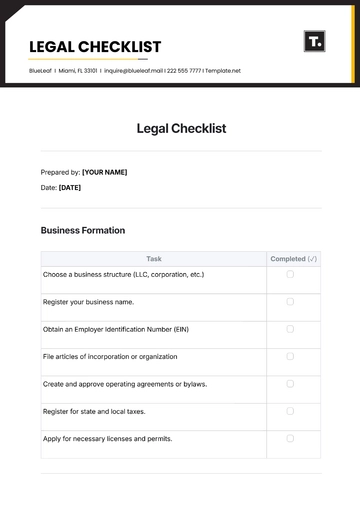
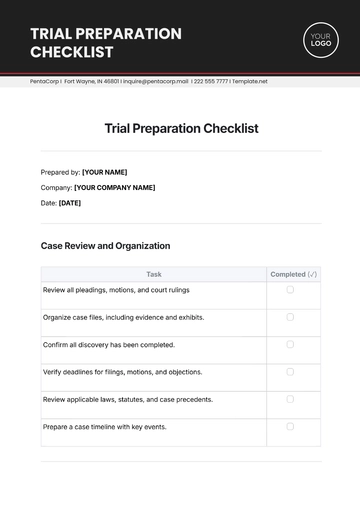
The following references illustrate different visual approaches to legal social posts, document layouts, website templates, checklists, and printable legal resources. They are examples of visual structures rather than claims that every format is appropriate for every jurisdiction or legal practice.
law firm threads template free

Source: Template.net
law firm threads template reddit

Source: Template.net
law firm threads template free download

Source: Template.net
law firm threads template google docs

Source: Template.net
law firm threads template pdf
Source: Template.net
law firm threads template word
Source: Template.net
law firm threads template excel

Source: Webflow
law firm website template
Source: Webflow
thread legal log in
Source: Template.net
law firm threads template uk

Source: Legal Docs Hub
law firm threads template download
Source: Template.net
law firm threads template printable
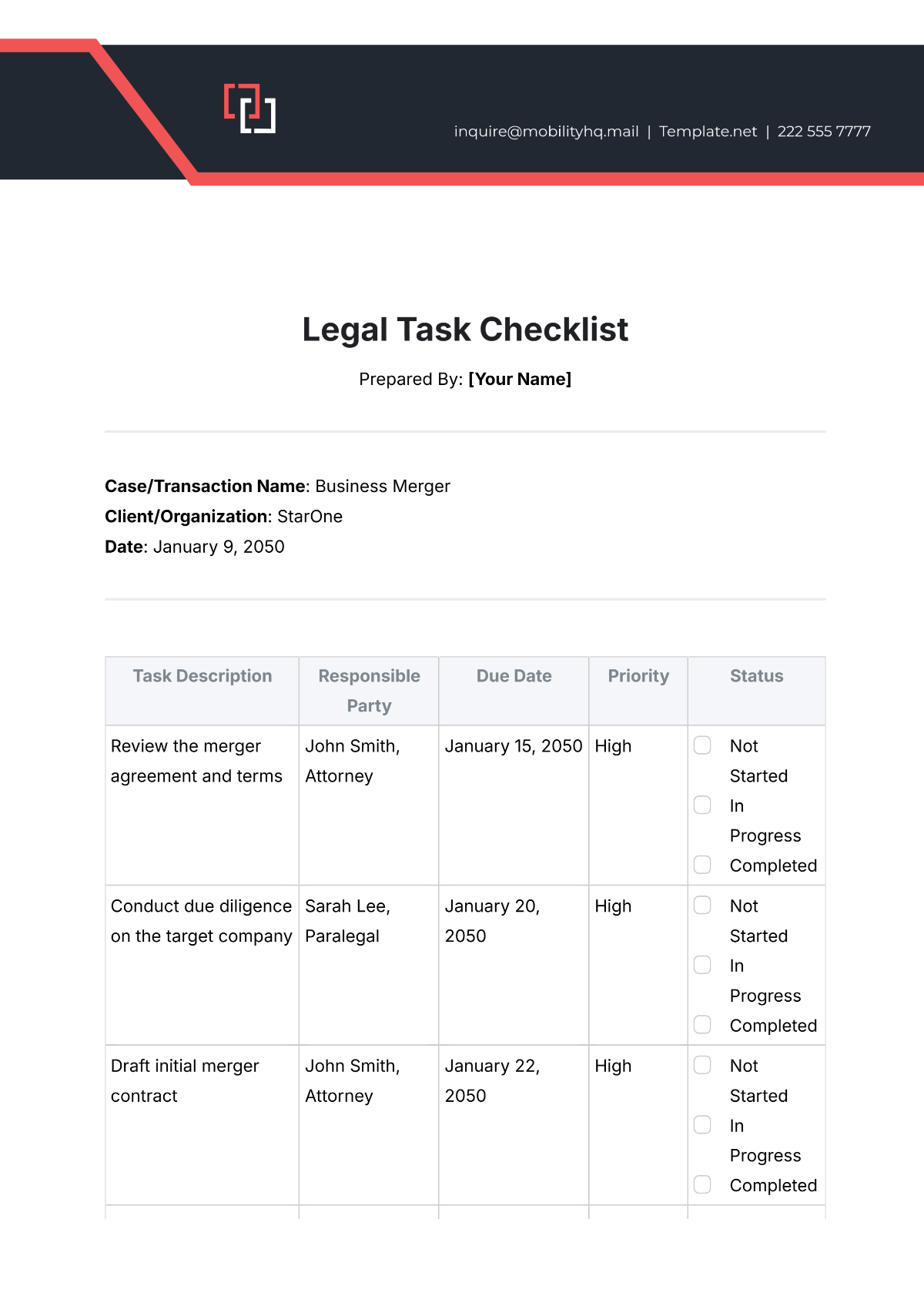
Source: Template.net
Frequently Asked Questions
What should a law firm Threads template contain?
A useful template should contain the topic, target audience, jurisdiction, opening hook, key points, supporting example, source or research notes, closing takeaway, and review fields. A separate visual version can define typography, colors, branding, and layout.
Is a law firm Threads template the same as a social media post template?
Not necessarily. A social media post template may describe one visual post, while a Threads template can describe the structure of a sequence of connected posts. The two can be combined into a single content system.
Can I use a law firm threads template free resource for commercial marketing?
Possibly, but the answer depends on the resource’s license. A free template should not automatically be assumed to permit unrestricted commercial use, redistribution, resale, or modification. Review the provider’s current terms before using it for a firm’s marketing operation.
What is the best format for drafting a thread?
The best format is the one that fits the firm’s workflow. Google Docs or Word can work well for collaborative drafting and review, while a spreadsheet is better for managing many ideas, publication dates, and status fields. A visual editor may be better for branded graphics.
Should a legal thread include a disclaimer?
A disclaimer may be appropriate depending on the jurisdiction, subject, audience, and firm’s professional requirements, but a disclaimer is not a substitute for accurate content or appropriate professional review. The wording should be reviewed against the rules applicable to the firm.
Can a law firm use hypothetical examples?
Yes, hypothetical examples can make legal concepts easier to understand, provided they are clearly presented as hypothetical and do not accidentally disclose confidential information or imply a fictional outcome is a real case result.
How often should a law firm update its template?
The structural template may remain useful for years, but the content rules, source fields, brand elements, and review process should be revisited periodically. Fast-changing legal subjects should have a shorter factual review cycle than stable educational topics.
Is a law firm website template useful with Threads content?
Yes. A social thread can introduce a legal question while the firm’s website provides a longer explanation, practice-area page, FAQ, or educational article. The two channels should use consistent firm information and terminology.
What does a law firm threads template UK version need to consider?
A UK-focused version should identify the intended jurisdiction and should be reviewed against current UK professional and advertising requirements. England and Wales, Scotland, and Northern Ireland have different legal and professional contexts, so a generic “UK” label should not be treated as a substitute for jurisdiction-specific review.
Can a template replace legal review?
No. A template improves consistency and efficiency, but it cannot determine whether a statement is legally accurate, current, properly qualified, or appropriate for a particular jurisdiction. Substantive legal review remains important for higher-risk topics.
Conclusion
A law firm Threads template is most valuable when it functions as a practical communication system rather than a decorative graphic. The strongest approach combines a clear editorial structure, reliable research, jurisdiction awareness, consistent visual design, a repeatable approval process, and a method for reviewing published material as legal and regulatory information changes. Whether the working file is a document, spreadsheet, PDF, website asset, or social design, the goal remains the same: help legal professionals communicate useful information clearly, consistently, and responsibly. A well-built law firm Threads template can make that process faster without sacrificing the accuracy and professional judgment that legal communication requires.
